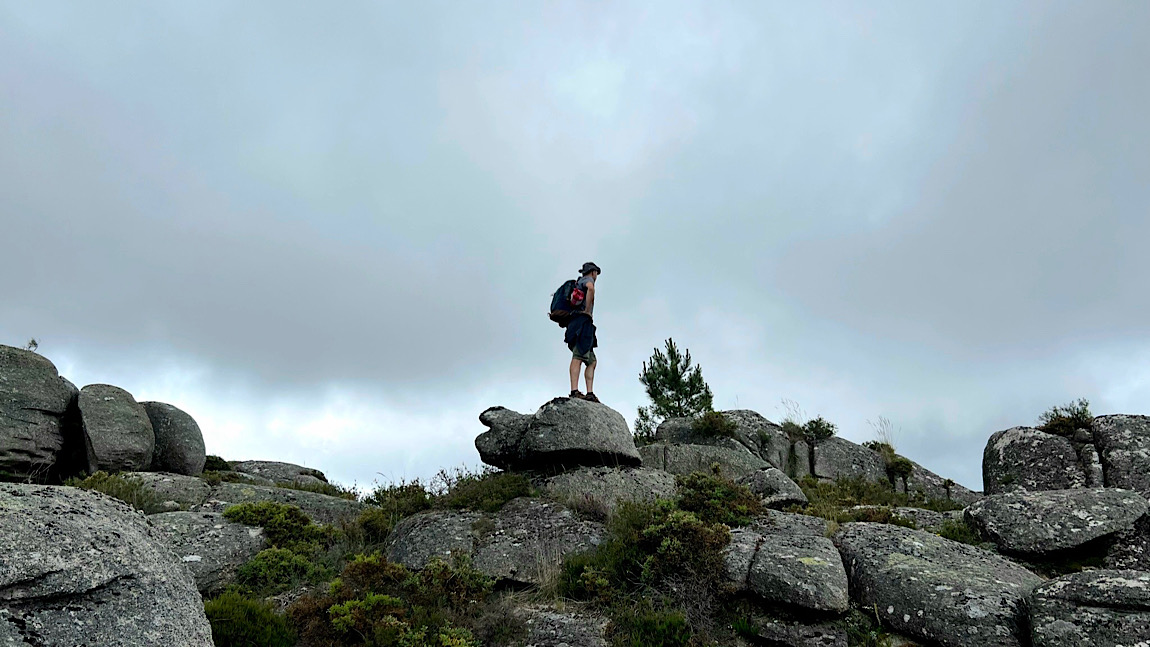
There are mornings when the Minho River seems to gather all the light in the world. Sunlight spreads across the water, illuminates the riverbanks, travels through the vineyards and reveals, with almost moving clarity, the beauty of the valley. On other mornings, mist suspends the landscape in a mysterious silence. The hillsides disappear, villages become shadows, and the river seems to keep the secrets of a thousand years of history.
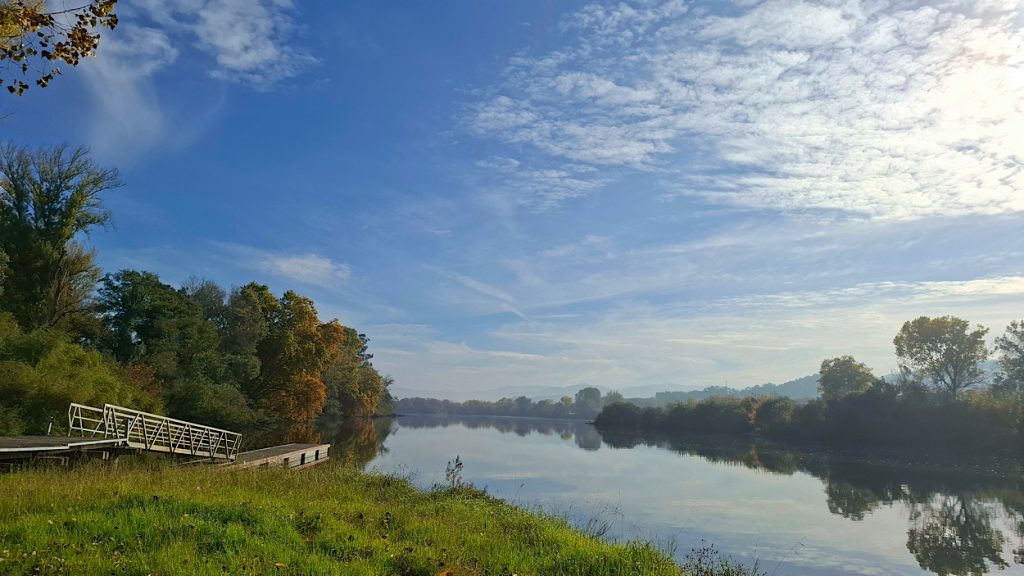
Portugal on one side, Galicia on the other. Between them lies a landscape that does not recognise the divisions drawn on maps. Vineyards stretch across the valley, approach the riverbanks and climb the slopes. The vines follow the contours of the land, trace the marks of human presence and reveal a shared culture shaped by work, perseverance and knowledge passed down through generations.
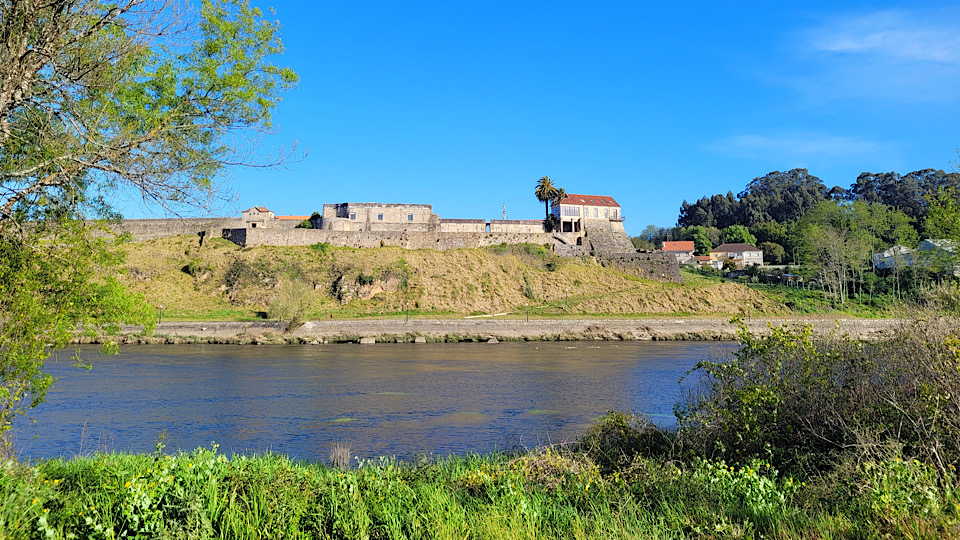
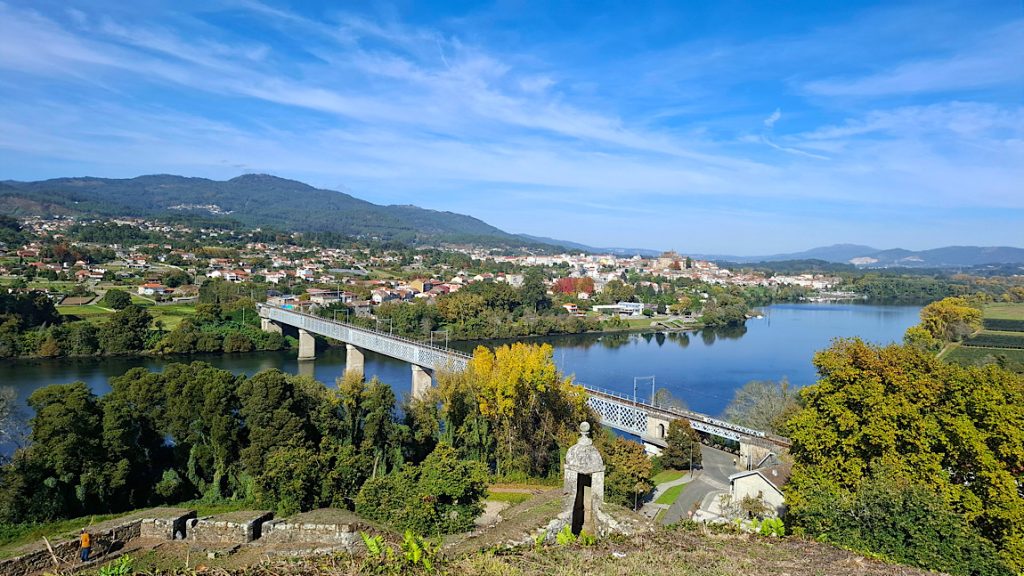
Along the river, fortresses, walls, churches and ancient settlements tell a story reaching back to the foundation of Portugal, the struggles between kingdoms and centuries of coexistence between the two banks. The Minho was a political and military frontier, yet it never ceased to be a place of encounters, exchanges and shared understandings.
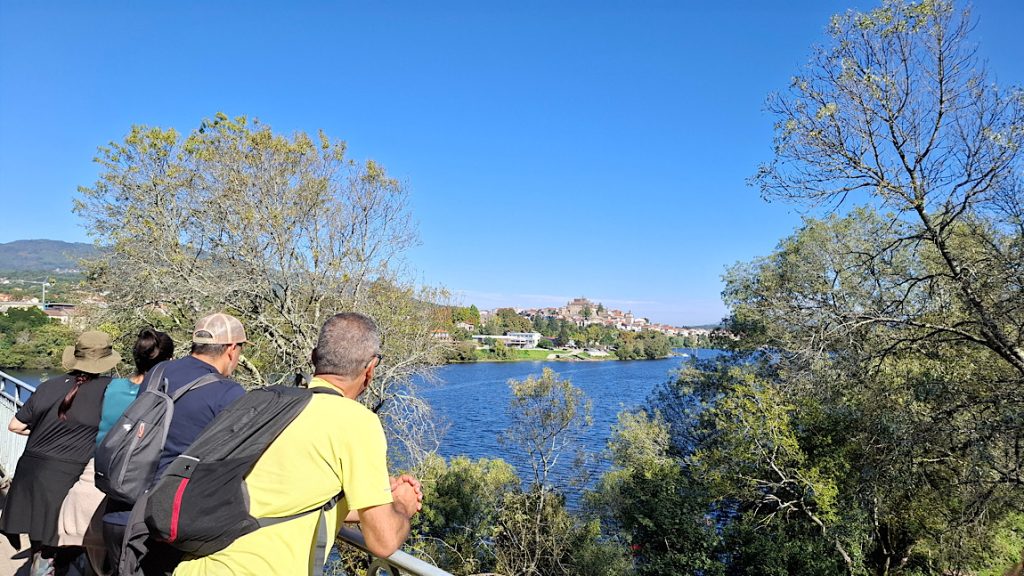
Even during the darkest years of the Iberian dictatorships, when the border became an instrument of surveillance and repression, the river continued to bring people together. Smuggling was more than an illicit economic activity. It was also a means of survival, connection and social life. Along discreet riverside paths travelled goods, news, solidarity and affection. The border divided states, but everyday life found ways to cross it.
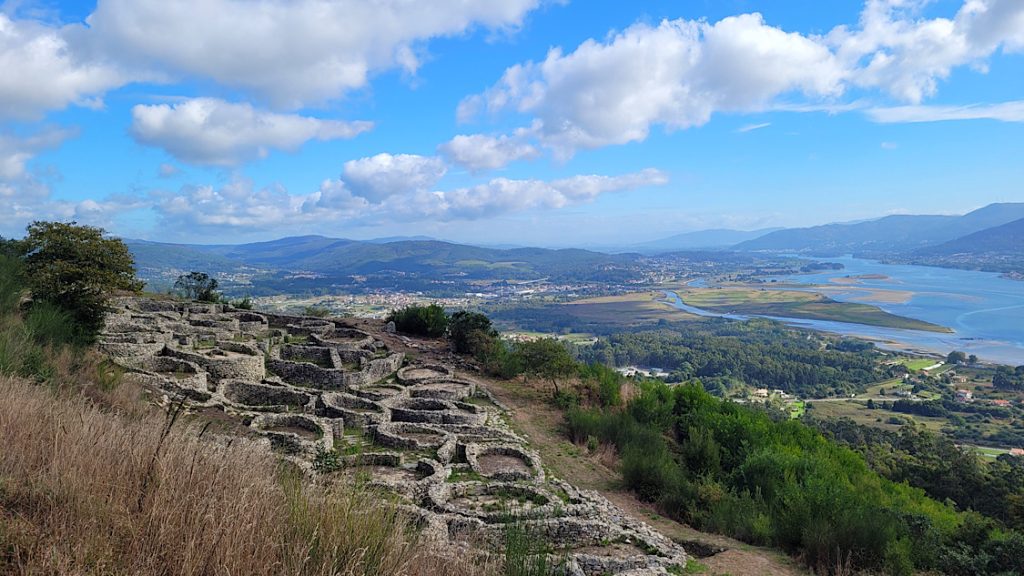
And then there is Caminha, where the river opens into the Atlantic. The landscape takes on an almost boundless scale. The estuary, the beaches, Mount Santa Trega and the ocean form a scene of extraordinary beauty. Yet it is from the ancient hillfort of Santa Trega, on the Galician side, that this geography perhaps reaches its most breathtaking expression.
From there, the eye follows the meeting of the waters, travels along both banks and wanders into the vastness of the Atlantic. Beneath our feet, the remains of an ancient hillfort settlement recall a history far older than national borders. We stand before the depth of time, in a place where landscape, ocean and the memory of the northwestern Iberian Peninsula seem inseparable.

The Minho is a border river. Yet perhaps its greatest beauty lies in revealing everything that borders have never managed to divide.