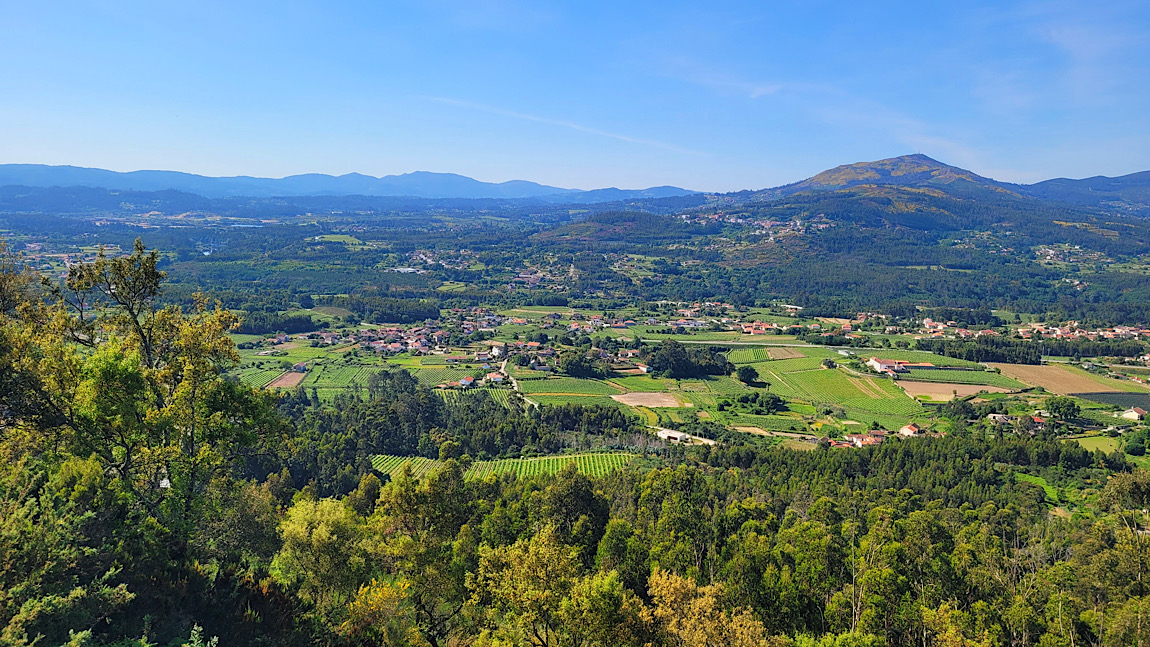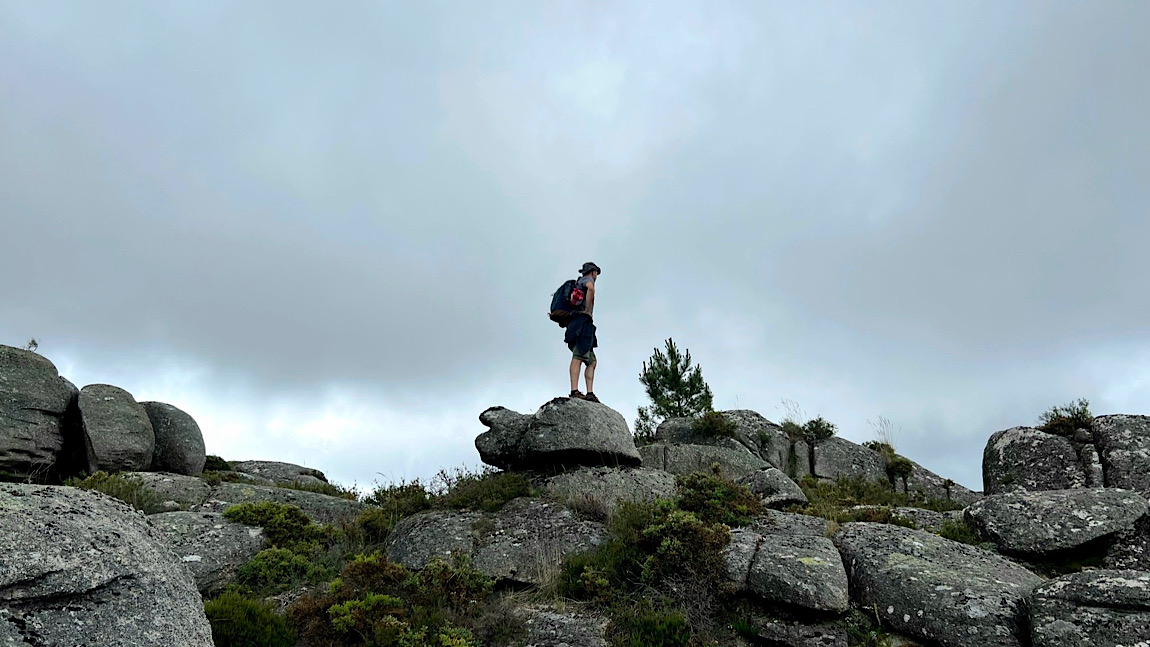
Scenario 1 – The complete journey, from Monção and Melgaço to the Rías Baixas
Suppose you arrive in Monção or Melgaço from Porto airport, or from anywhere else in Portugal. Settle in and relax. The next day, set off with us to discover this magnificent sub-region of Vinho Verde, an integral part of the Alvarinho/Albariño territory.
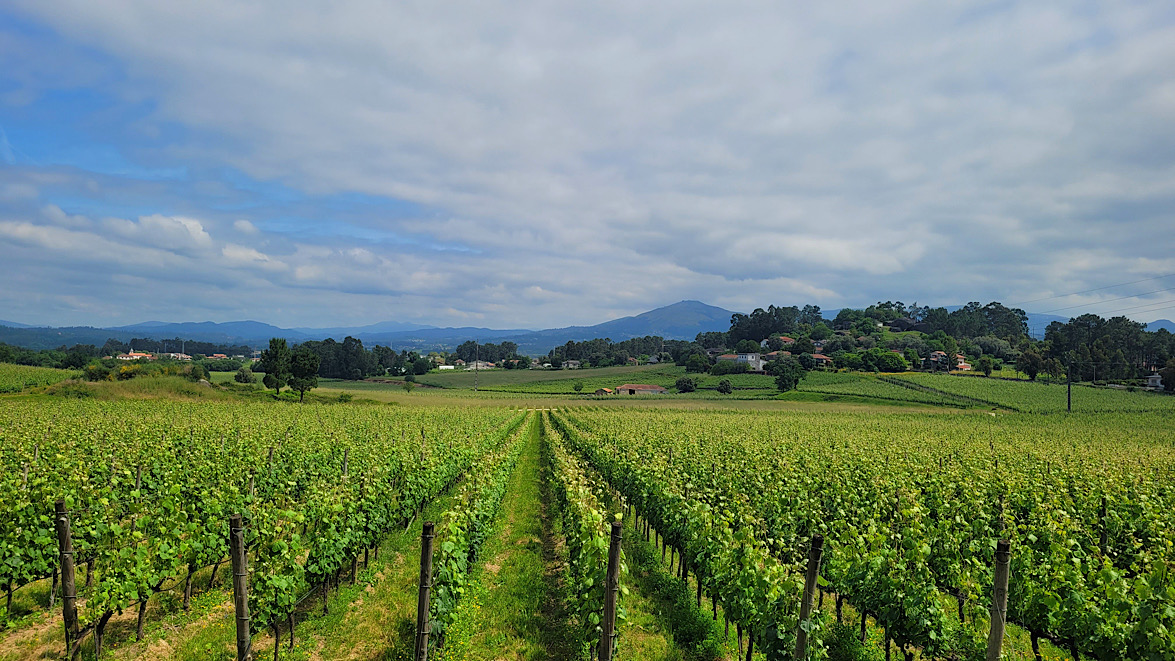
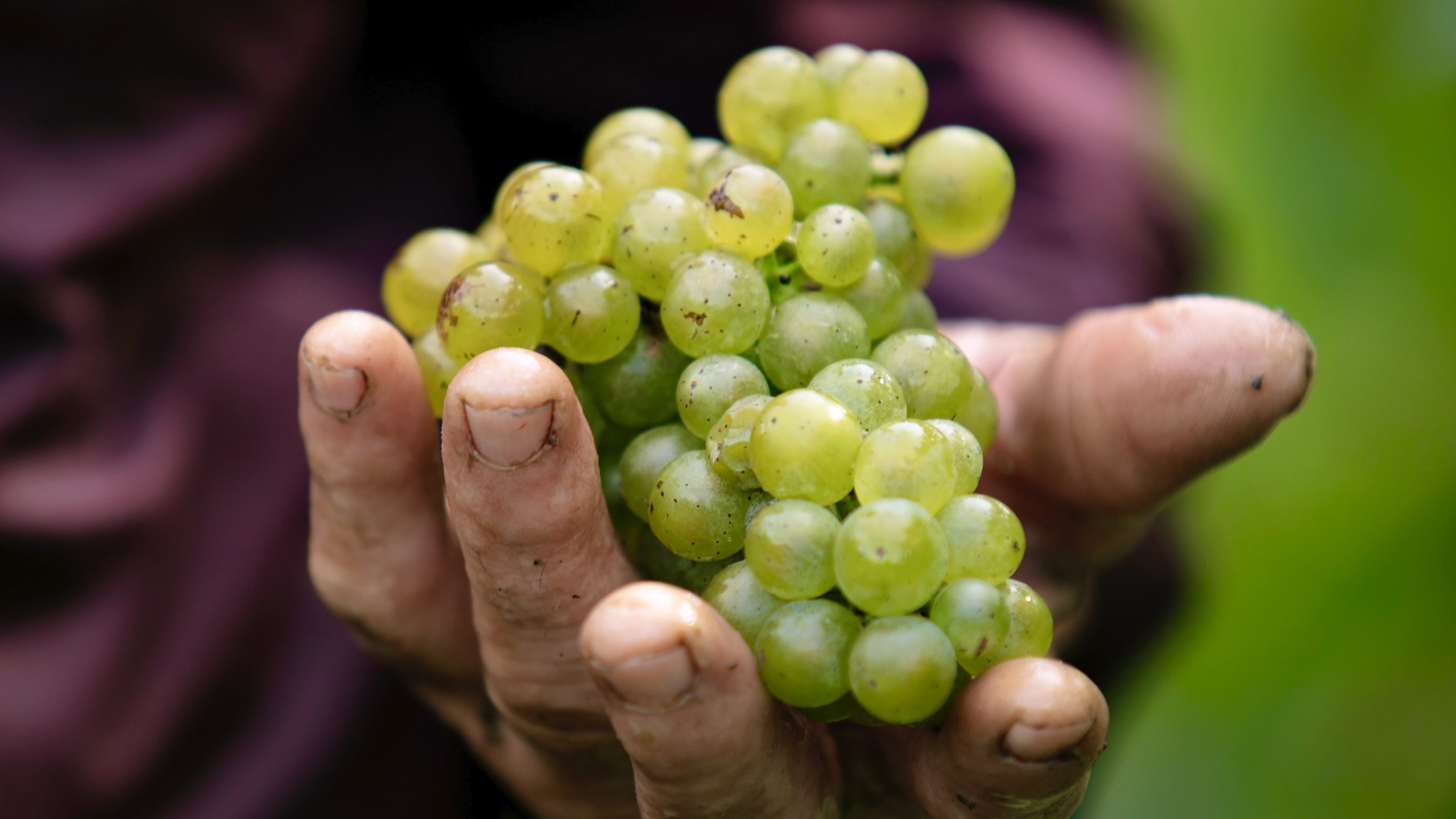
It will be a journey through the intricacies of the history of this white grape variety which, although not native to these lands, arrived here a very long time ago. Its omnipresence has shaped the landscape, influenced agricultural practices and become a true element of cultural production. Without Alvarinho — and without the value associated with it — the landscape of this area of the north-western peninsula would be substantially different.
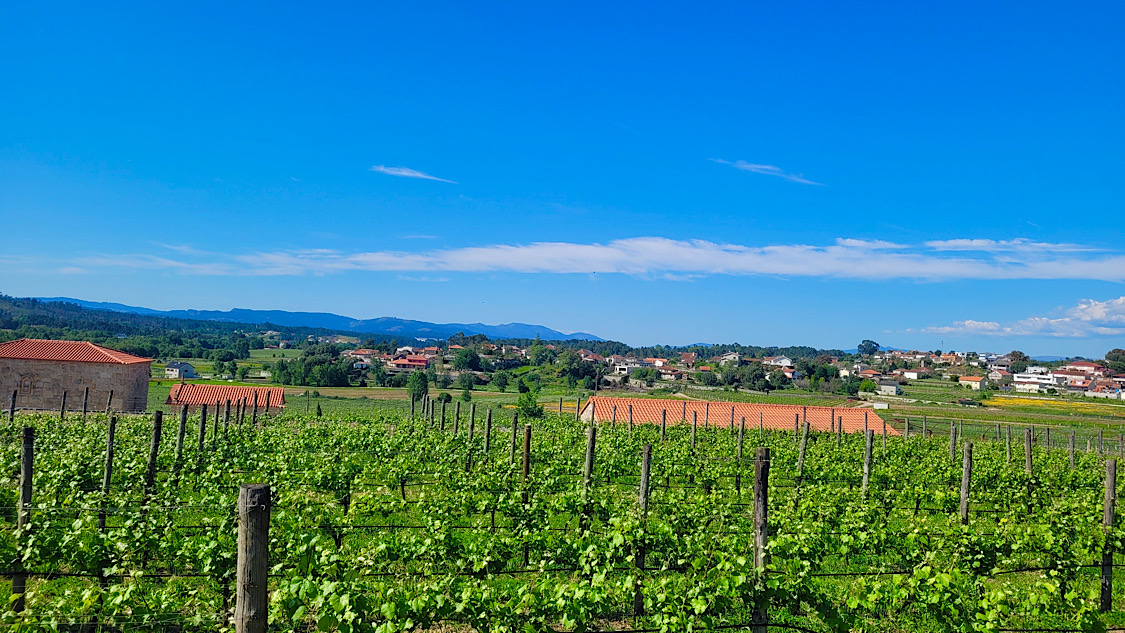
At the end of the afternoon, once the tour is over, cross the Minho River towards Salvaterra. Stroll around the village and admire the vineyards of the Condado do Tea. Take the opportunity to sit quietly, savour some tapas and immerse yourself in the Galician lifestyle while sampling an Albariño from this sub-region of the Rías Baixas — the other side of the Alvarinho/Albariño Territory.
The next day, set off early. Drive calmly to Valença, cross the border towards the medieval town of Tui and continue towards the mouth of the Minho River, until you reach A Guarda. Before you know it, you will be in another sub-area of the Rías Baixas: O Rosal.
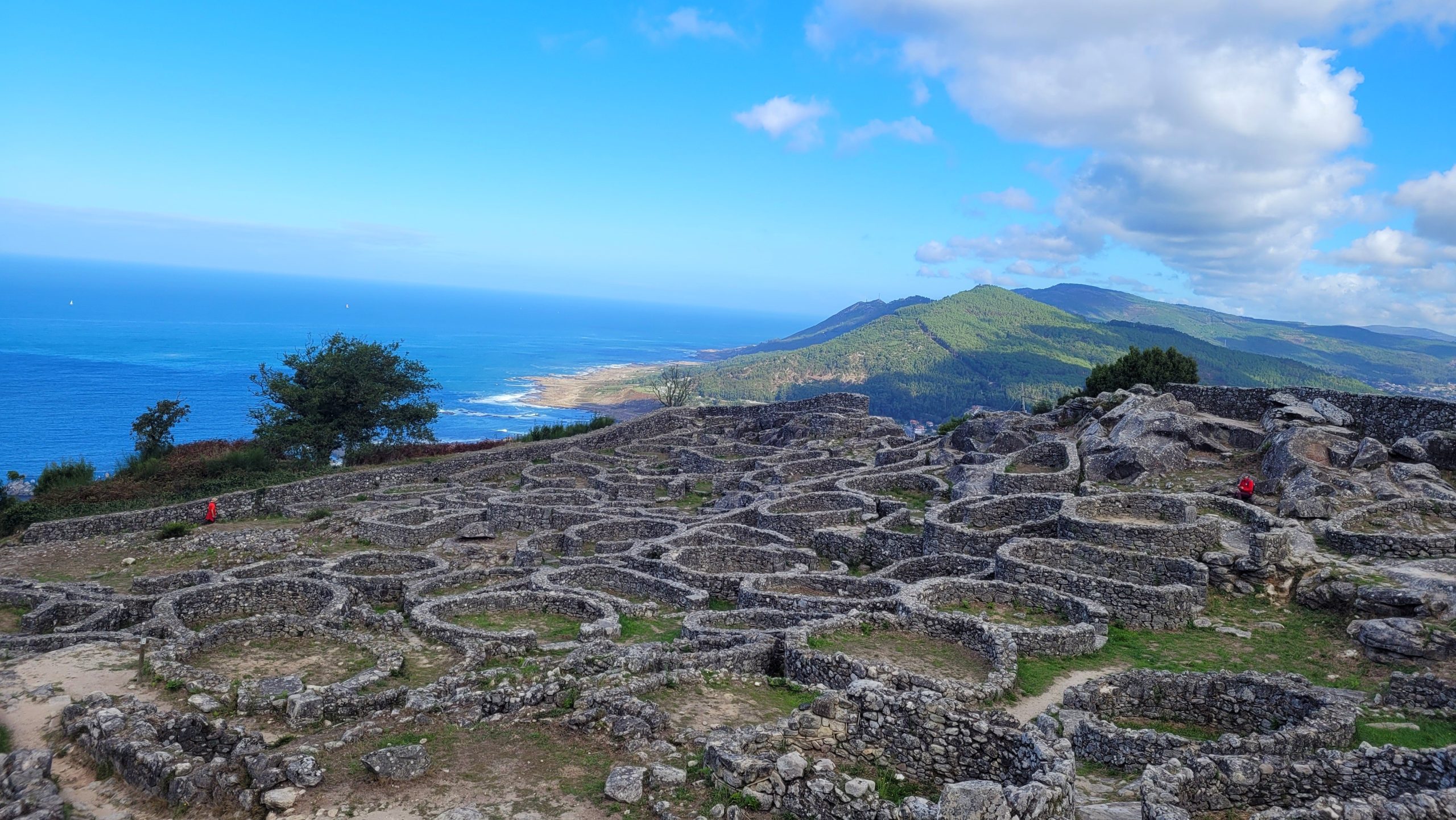
When you arrive in A Guarda, climb up to Castro de Santa Trega — an absolutely unmissable visit. You will find the impressive ruins of a Celtic hillfort (a Spanish National Historic-Artistic Monument) and a view over the Minho estuary and the Atlantic Ocean that will take your breath away.
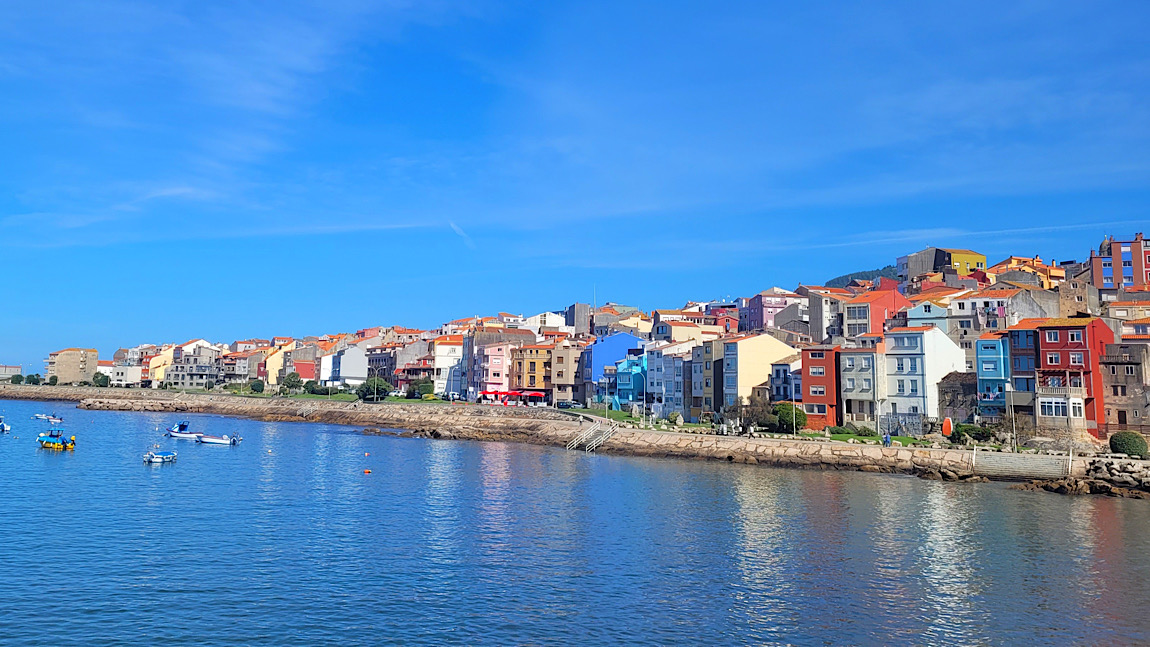
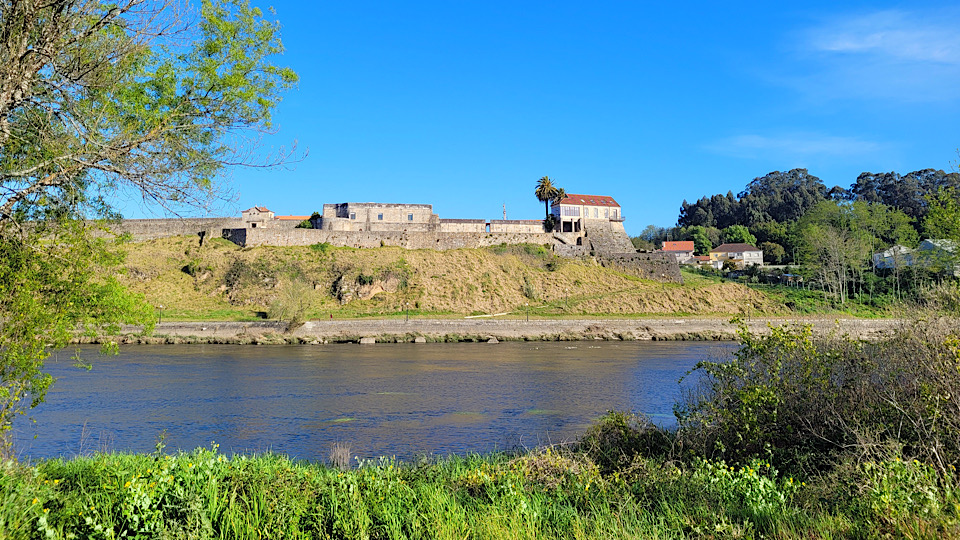
Then descend the winding road to the port area of A Guarda. Have lunch, try an Albariño from O Rosal and continue your journey, always along the sea, to Baiona. It is about 30 km of visual splendour. It is worth stopping and walking along the long walled area — tempting and rewarding.
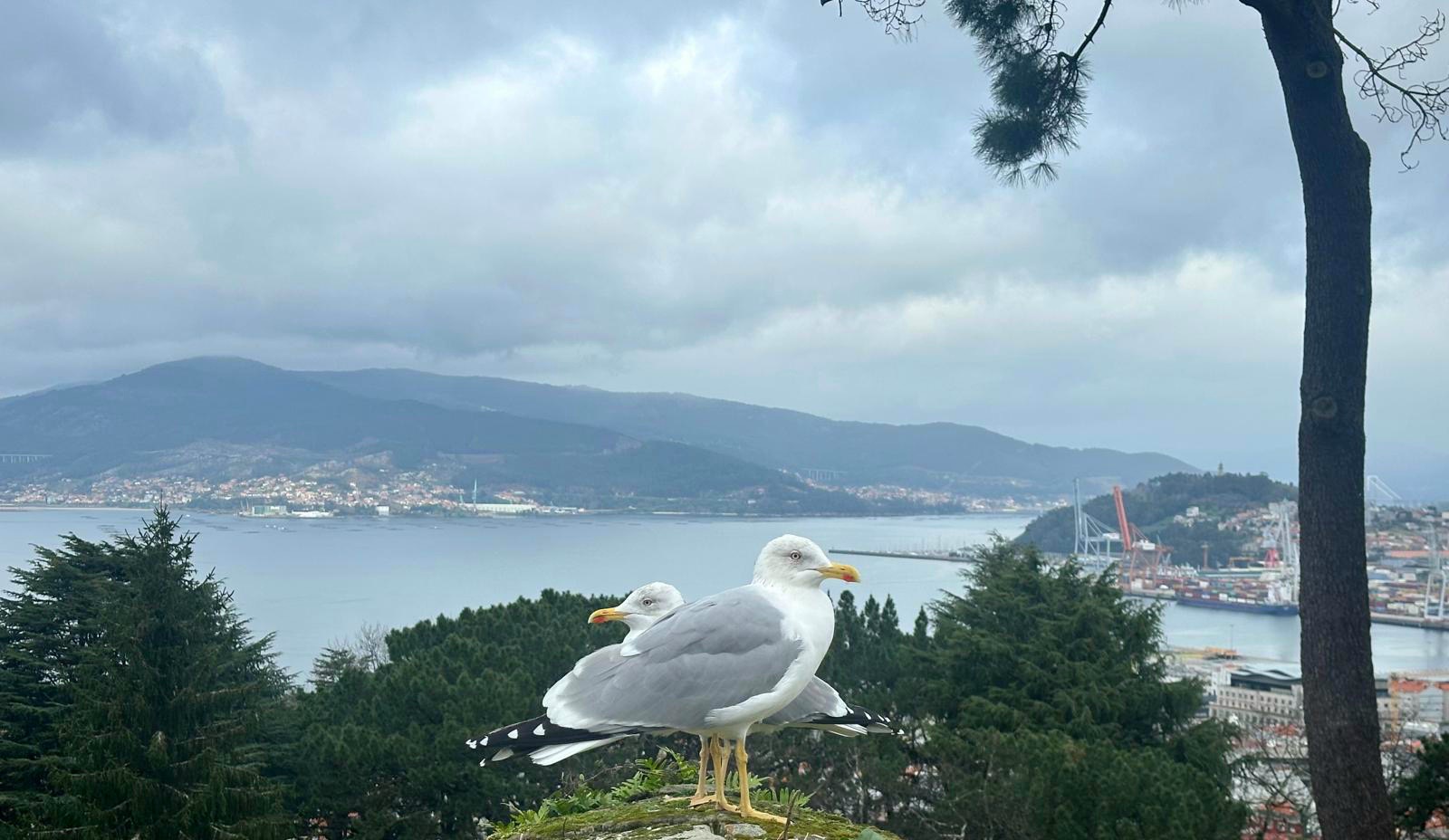
Then head to Vigo. Spend the night in this vibrant maritime city, deeply marked by its fishing history. For dinner, choose fish or seafood and accompany it with an Alvarinho from Soutomaior or Ribeira do Ulla, two other sub-zones of the Rías Baixas.
The next day, explore Val de Salnés, the last sub-region. For a truly sublime experience, we recommend a tour with our Galician partners. This completes our brief journey through the Alvarinho/Albariño region — although we know you will want to return and explore it further.
Scenario 2 – From Vigo
Now imagine arriving in Vigo by high-speed train from Madrid or elsewhere, or by plane. Spend the night in the city. The next day, easily hire a car using an app and set off in the morning towards Baiona.
Then continue on to Monção, following the route in reverse to that proposed in Scenario 1. Spend the night in Monção or Melgaço. The next day, take part in our discovery tour. At the end of the afternoon, you can return to Vigo (about 30 minutes) or choose to stay another night in Portugal.
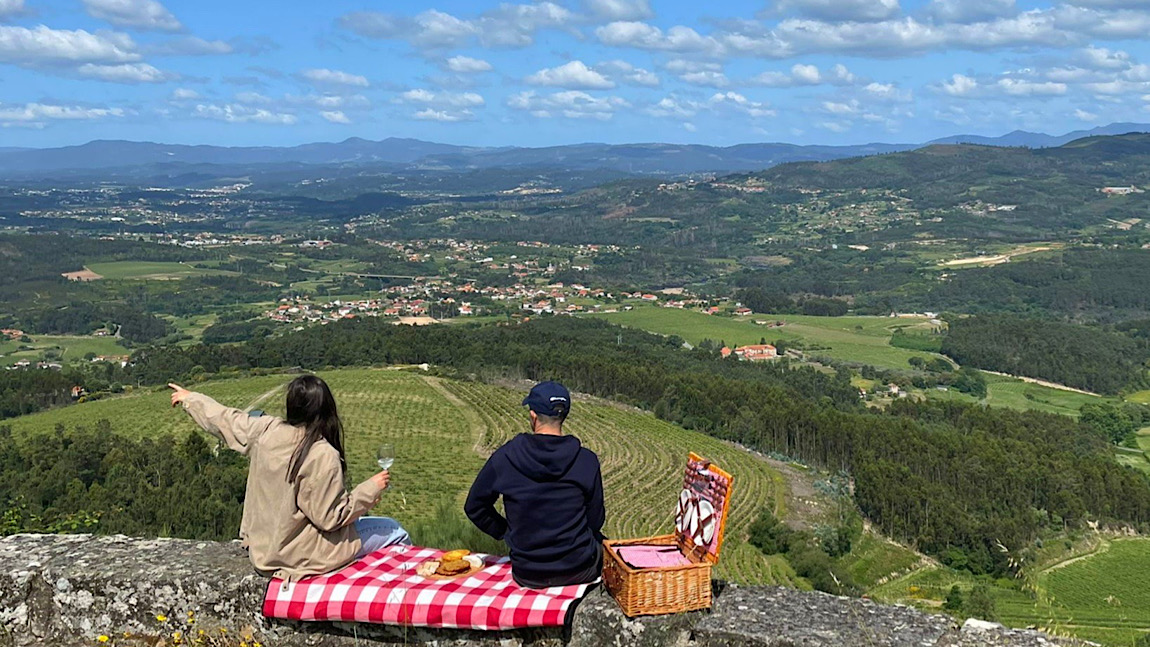
From Vigo, continue exploring the Rías Baixas — Soutomaior, Ribeira do Ulla and Val de Salnés — on your own or with our local partners, who guarantee unique and deeply enriching experiences. Be sure to take a boat trip on the Vigo estuary and visit the Atlantic islands. A true splendour.
Summary
Discovering the Alvarinho/Albariño Territory is a memorable experience. It allows you to explore a unique cultural, historical and scenic universe, where the Camino de Santiago and its mysteries intertwine with centuries of border relations, pre-Roman Celtic heritage and ancestral traditions that sustain modernity.
All of this is shaped by geological and microclimatic variations and by distinct winemaking practices, causing each sub-zone to unfold into a multiplicity of terroirs and give rise to expressive and diverse wines.
Diversity in unity — this is the true wealth of this superb territory, open to the world.