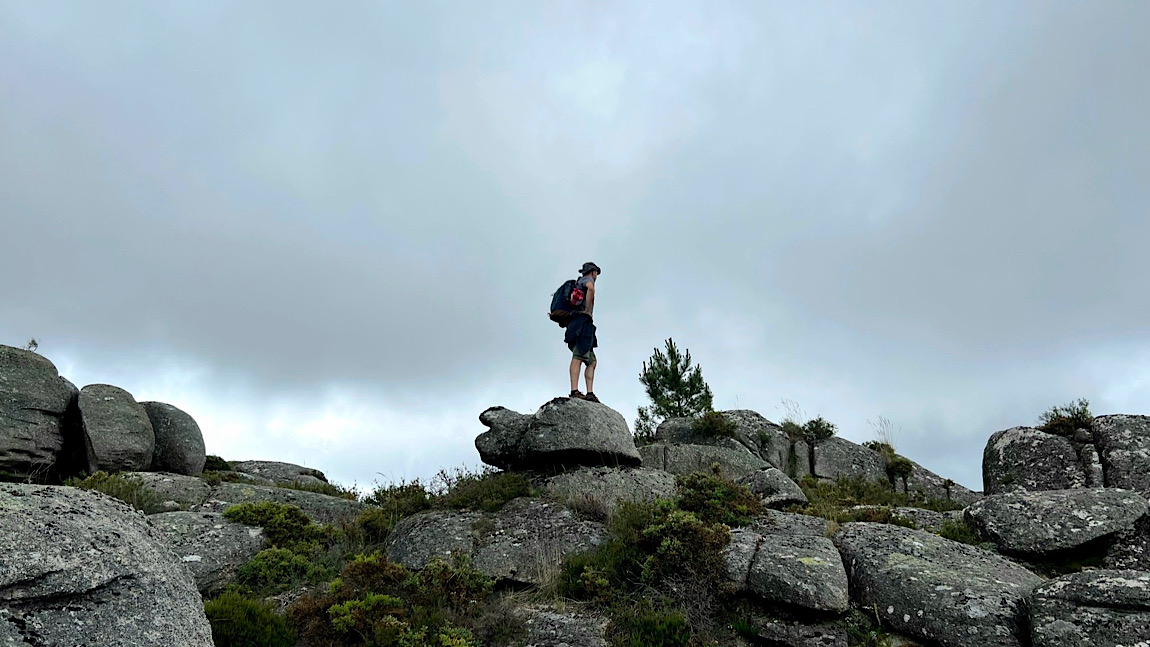
Inhabiting the Rhythm of a Place
In Ribeira Sacra, Spain, the territory does not reveal itself upon arrival. Nor does it seek to dazzle immediately — that is not its purpose. It requires dilution, distance and perspective. Its form compels one to enter without hesitation, with conviction — to descend, to approach, to feel one’s way, to adjust the gaze.
Between the valleys of the Sil and the Miño, the landscape is organised into steep, vertiginous slopes, where the relationship between humans and territory has been shaped through persistence and patient adaptation. A terraced viticulture, almost impossible, inscribes itself on these slopes as a continuous gesture over time.
Nothing here is immediate. Everything requires time, attention and presence. Water is not just a landscape element. It is structure. It is depth. It connects and separates, orients, contains and gives meaning.
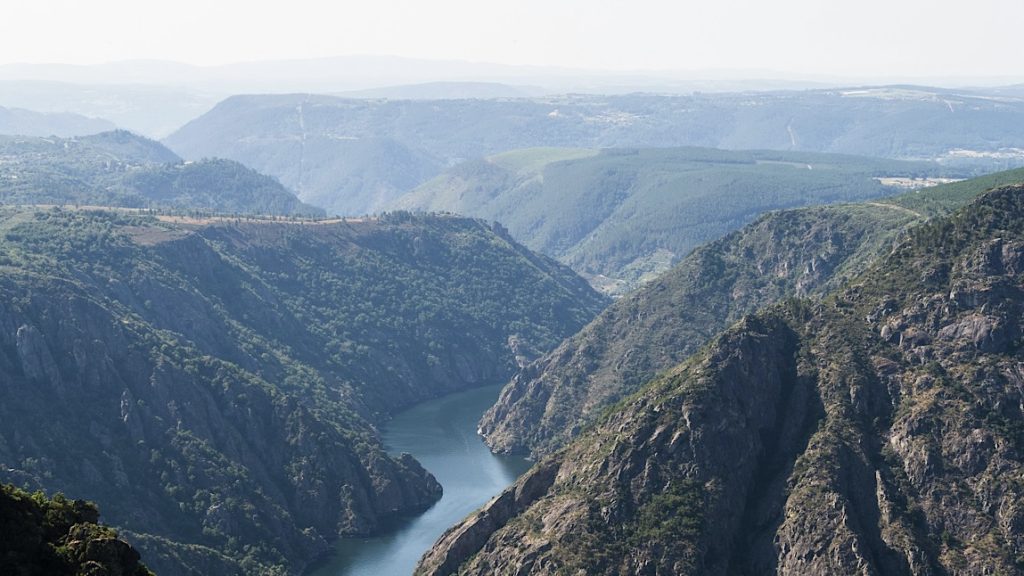
Photo by Javier Balseiro in the Unsplash
Between slopes and silence
The steep terraces draw the territory with an almost invisible precision. Lines that follow the gradient, creating a balance between human effort and natural form.
Walking in this space means accepting a certain calm and letting go of the urge for stimulation. Distances are measured more by elevation than by kilometres. The body adapts, the pace slows, perception sharpens. The weight of the incline is felt in every step, making movement conscious, almost deliberate.
Silence holds its own presence here. Not as absence, but as a condition and an opening to sensory worlds. Along the paths, monasteries, small villages, and traces of a settlement that never sought to dominate the territory, but rather to coexist with it, gradually appear.
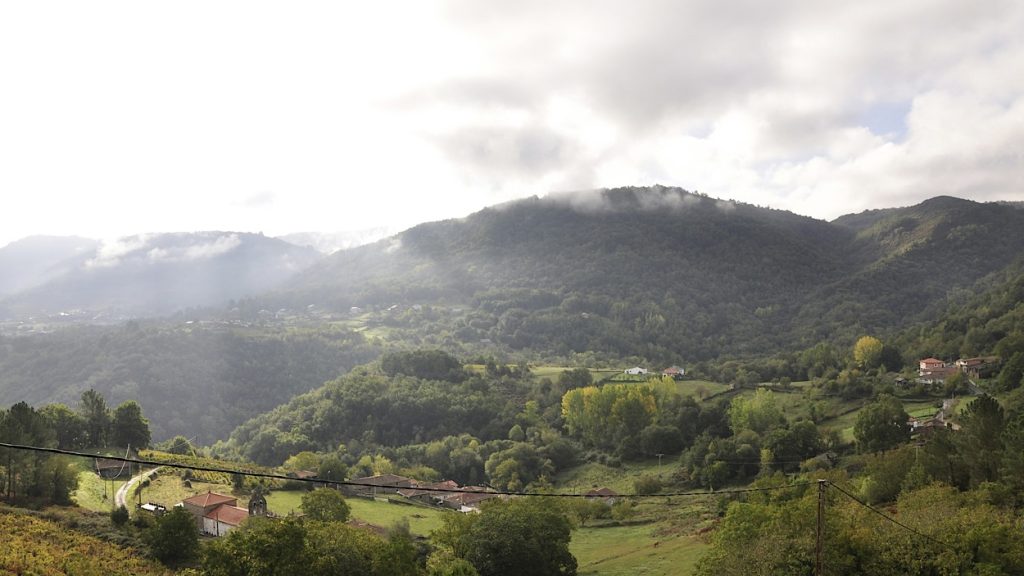
Photo by Andrea Balbona Pérez in the Unsplash
Water, rock and permanence
The relationship between water and rock — massive, steep, or shaping the landscape itself — defines much of the experience of this place. Deep banks, contained reflections, and dense vegetation create a sense of retreat, of true immersion, of dissolution and forgetting of the self.
Moisture settles into stone and air, creating a continuous, almost tactile sensory presence. The material is dense, humid, at times nearly enclosed. In contrast to more open territories, here the gaze is guided, framed, limited. And it is precisely there that it gains intensity.
Human presence remains discreet. In the terraced vineyards, sometimes bordering on vertigo, in narrow paths, in repeated gestures. Manual harvests, carried out in difficult conditions, extend this demanding relationship between body and territory.
Products and practices reflect this continuity. Nothing seeks to accelerate. Everything respects its own time, detached from contemporary pace.
Between the visible and the invisible
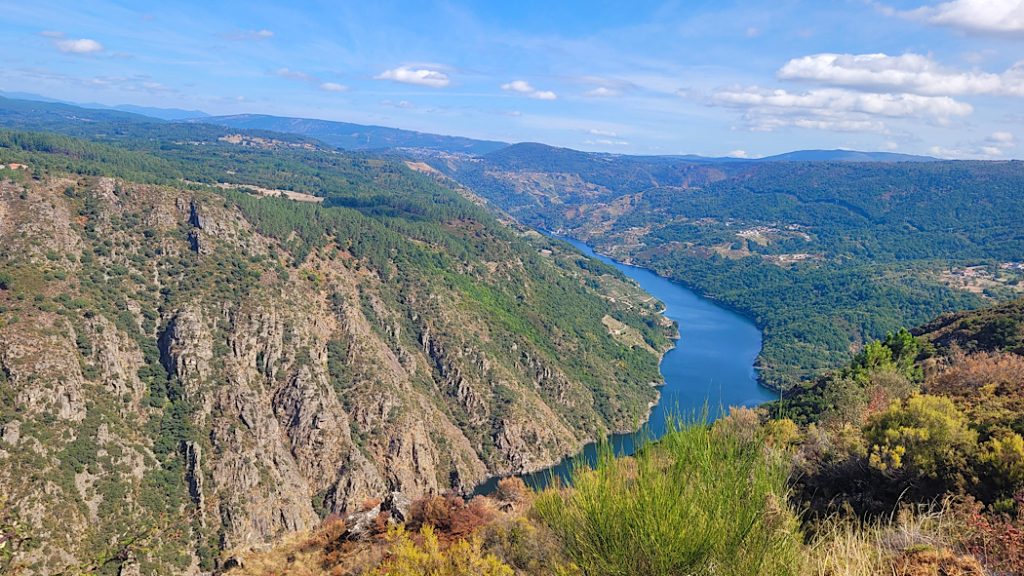
There is a dimension in this territory that does not reveal itself at first glance. Nor at the second. It lies in the intervals between one curve of the river and the next, between a slope and the shadow that follows it.
Over time, the place begins to be recognised. Not by its landmarks, but by the way it allows itself to be inhabited and gradually unveiled. Returning to the same trail, observing the variation of light on the river, recognising a sound or a gesture — it is in this process that the territory gains depth. And transparency.
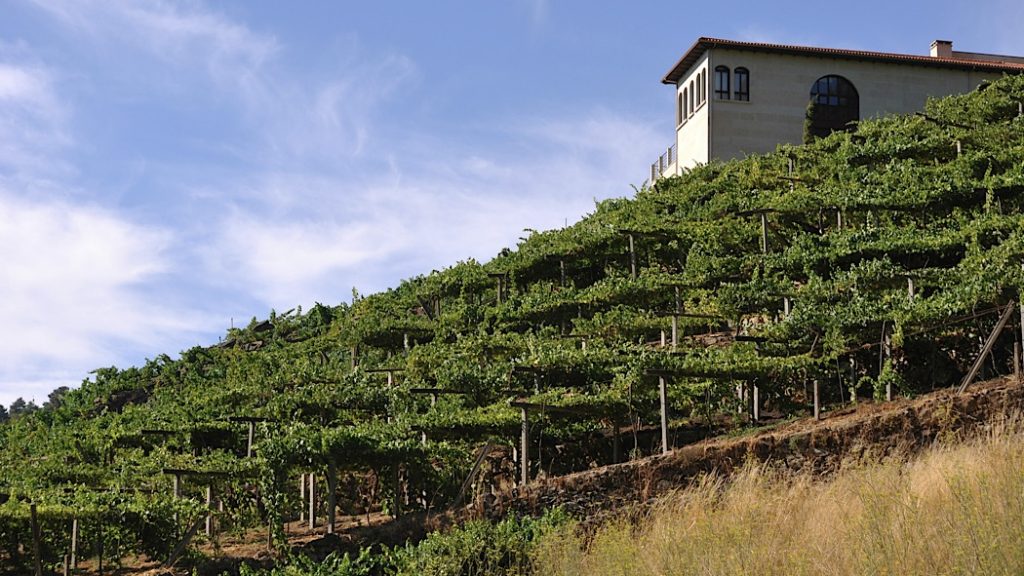
Photo by Jesús Álvarez in the Unsplash
A Territory That Remains
With time, Ribeira Sacra ceases to be merely observed. It becomes an inner space. Some paths become familiar. Certain framings repeat, yet never in the same way. Light, water and seasons continuously transform what once seemed fixed.
And perhaps it is in this process (made of repetition, attention and permanence) that the territory gains meaning: not as a landscape to contemplate, but as a space to inhabit, slowly, without rushing, until it becomes part of those who move through it.