The whisper of history in Castro Laboreiro
On this morning of inaugural clarity, high above among the ruins of the castle, we sense in the murmur of the wind the slow breathing of history. Our eyes still trembling with wonder, we realise that this is not merely a place to see, but a place to listen.
History pulses beneath our hands when we touch the stones that form what remains of the fortress, erected in this improbable site in the early days of the Portuguese nation and reinforced over the centuries that followed. Its extreme position, high in the mountains and close to the border, was no accident: it was a strategic choice and a declaration of permanence.

A Landscape Shaped by Memory and Stone
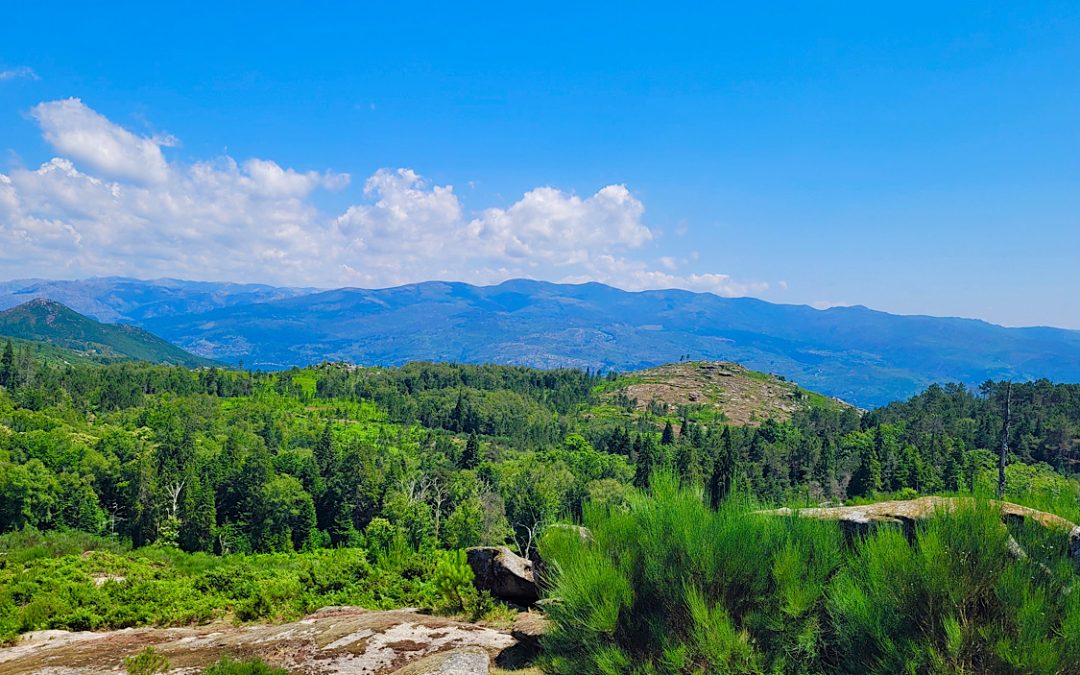
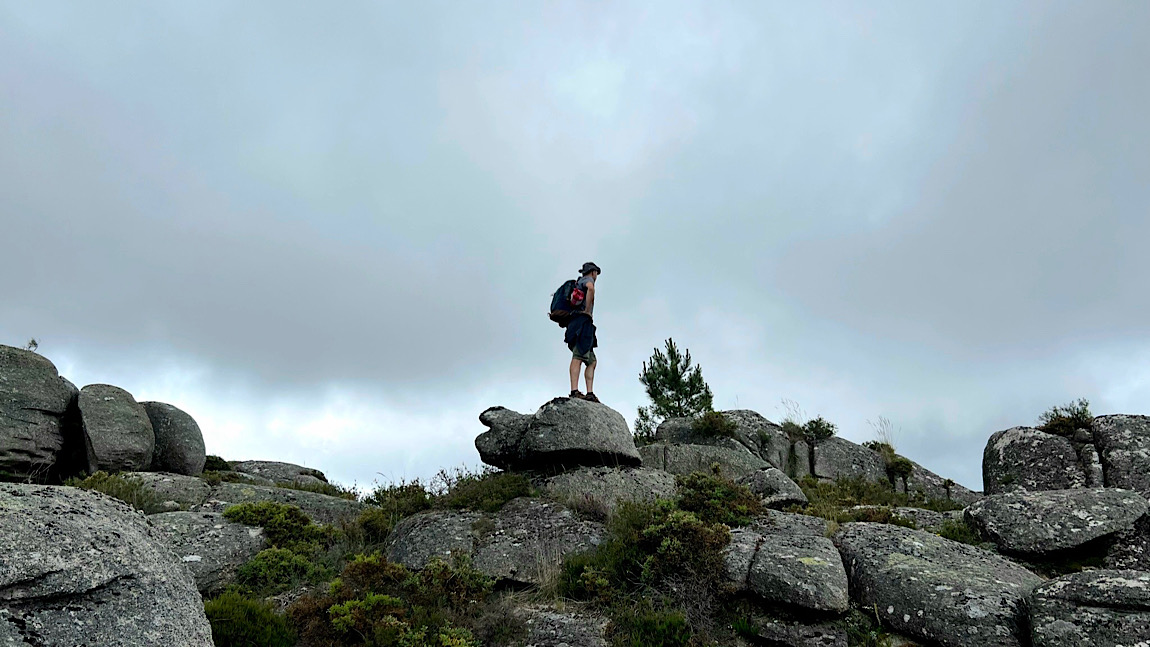
In this mountainous borderland, the entire landscape exhales memory. From the abundant megalithic monuments, bearing witness to ancient human presence, to Roman and Romanesque remains that mark continuity through time, everything speaks of a profound relationship between people and territory. Even the granite, shaped by erosion and eternity, takes on sculptural forms, as if geology itself were part of the narrative.

Ways of Life, Smuggling and Mountain Culture
Between stones and paths endure the memories of a singular culture. Stories of smuggling run through generations, as do lives shaped by the seasonal movement between brandas and inverneiras — a remarkably ingenious adaptation to the harsh mountain climate. There is also the unexpected memory of a chocolate factory, long extinct, yet revealing a spirit of enterprise and ingenuity uncommon in seemingly isolated places.

Learning to Listen to Time and Place
And there is the Castro Laboreiro dog — powerful, watchful and surprisingly gentle — a living symbol of an ancestral relationship between people, herds and mountain.
There is so much to see and to hear when one walks slowly and with attentive eyes: when one listens to silence, recognises the roughness of stone, or savours a meal rooted in mountain tradition, made of honest flavours and shared memory.

Living the landscape
Castro Laboreiro is not crossed — it is lived. It is a place that fills the heart entirely, as it teaches us — without haste — how to listen to time.