Porto, the Douro, Braga, Guimarães, Ponte de Lima and Arcos de Valdevez
Porto and the Douro Valley are a natural starting point for discovering Northern Portugal. From here, the journey can continue towards some of the places most closely associated with the country’s history, following traces of different periods and exploring territories that help us understand the formation of Portuguese identity.
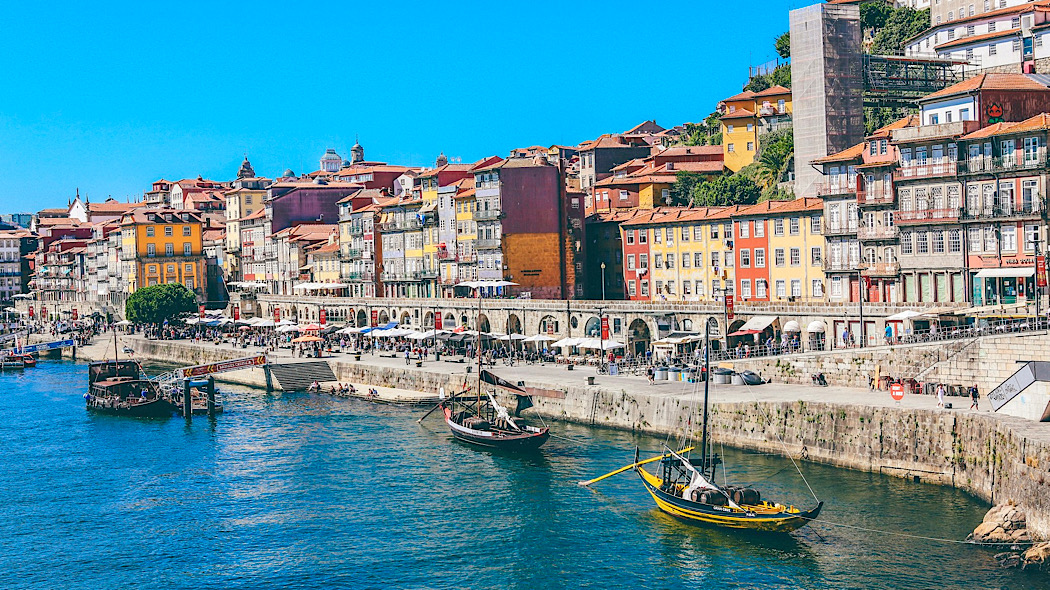
Foto de Nick Karvounis na Unsplash
From Braga to Guimarães, from Ponte de Lima to Arcos de Valdevez, we encounter cities and towns where history is intertwined with landscape, architecture and the lives of local communities. A journey that reveals Northern Portugal not only as a region of remarkable natural and cultural diversity, but also as a territory that played a decisive role in the making of the country.
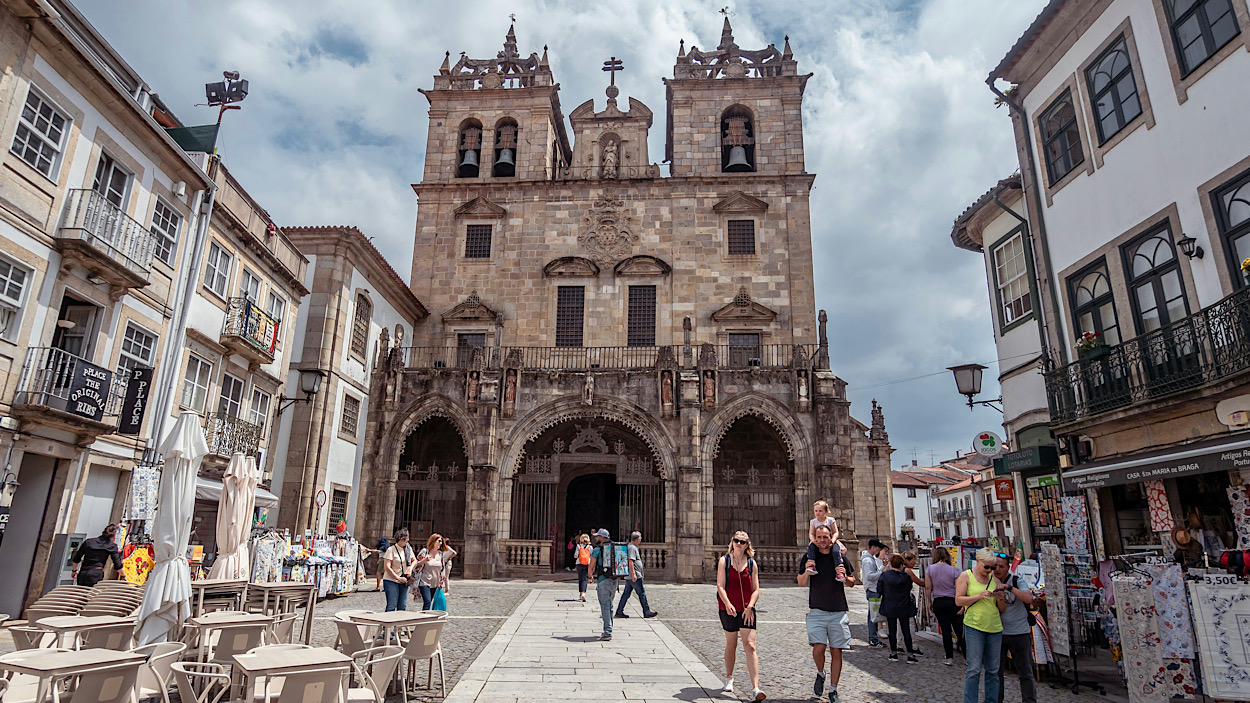
Foto de Juan Gomez na Unsplash
Braga and Guimarães — The Roots of Portugal
Braga is one of Portugal’s oldest cities. Founded during Roman times, it preserves an important historical and religious heritage, visible in its monuments, churches, sanctuaries and historic centre. Over the centuries, it became one of the country’s leading religious and cultural centres.
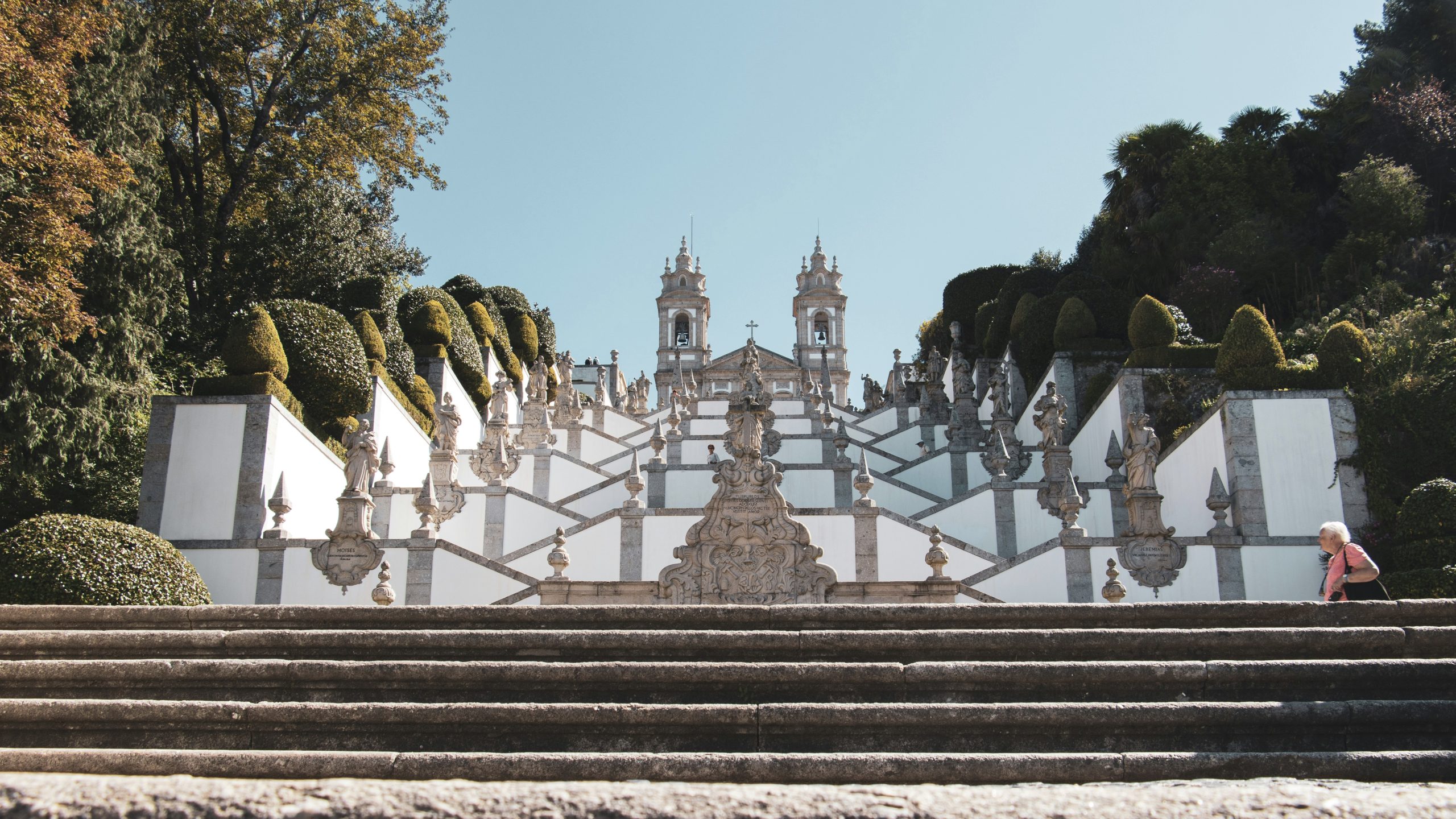
Foto de Angela Compagnone na Unsplash
A short distance away, Guimarães holds a central place in the history of Portugal’s formation. Closely associated with the County of Portugal and the figure of Afonso Henriques, it is widely regarded as the birthplace of the nation. Its historic centre, a UNESCO World Heritage Site, preserves buildings and landmarks from different periods, offering insight into the city’s political and symbolic importance during the early years of the kingdom.
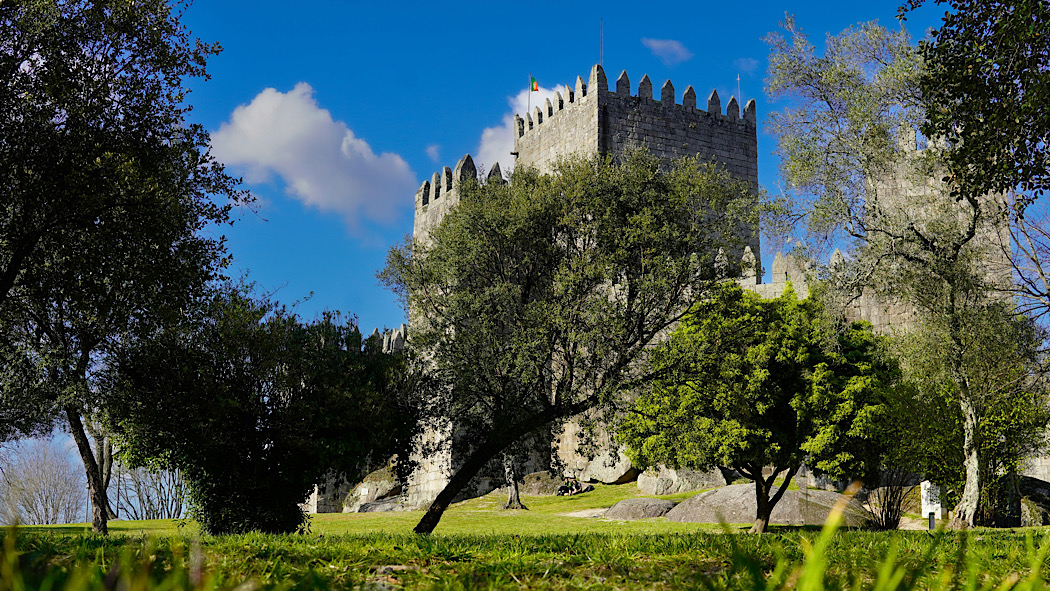
Foto de Miriam Pereira na Unsplash
Ponte de Lima — History and Landscape
Continuing north, Ponte de Lima offers another perspective on the history and settlement of the region. Regarded as one of Portugal’s oldest towns, it developed along the Lima River, at an important crossing point between different parts of the territory.
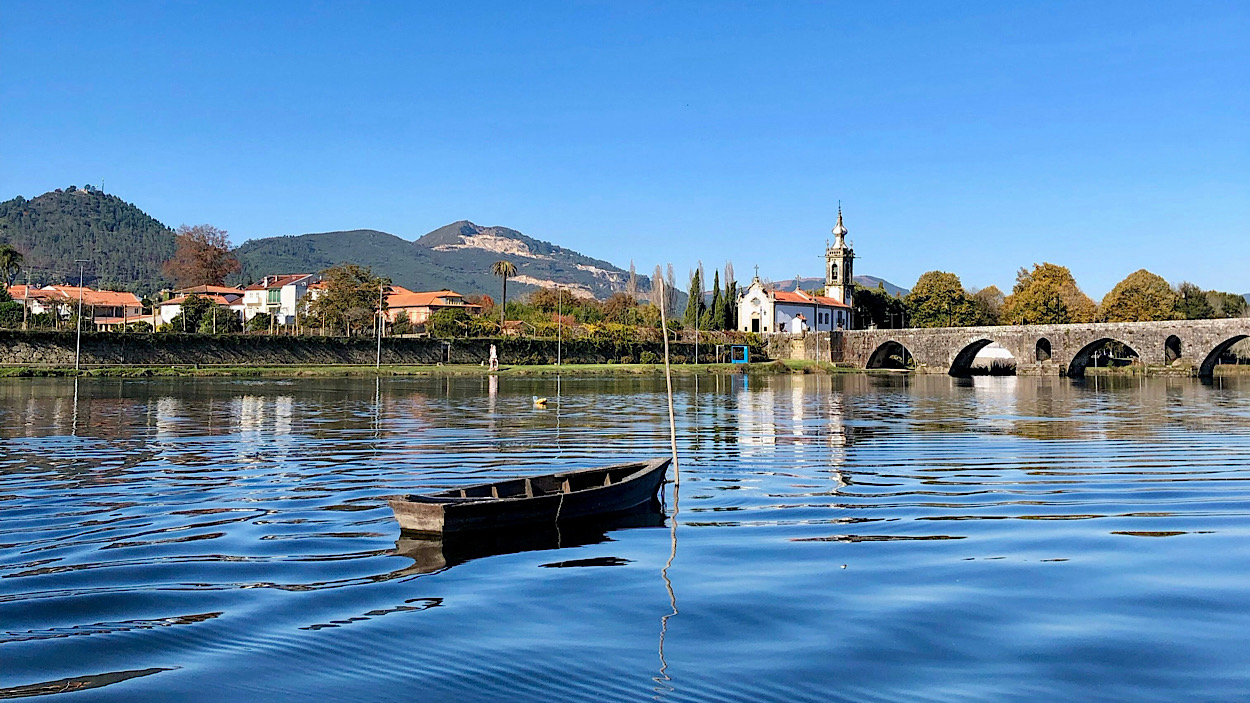
Foto de Miguel Mota Sousa na Unsplash
Its medieval bridge, historic centre, manor houses and public spaces reflect the town’s importance over the centuries. Its relationship with the river and the surrounding landscape remains central to its identity.
Arcos de Valdevez — Where Portugal Took Shape
The journey continues to Arcos de Valdevez, a place associated with one of the most significant episodes in Portugal’s emergence as an independent kingdom.
In 1141, the Recontro de Valdevez took place here, a confrontation between the forces of Afonso Henriques and those of Alfonso VII of León and Castile. Traditionally associated with a tournament between knights, the episode belongs to the wider political and military context in which the County of Portugal asserted its autonomy and the future kingdom began to take shape.

But Arcos de Valdevez is also a territory whose history reaches far beyond its best-known events. The landscape of the Vez Valley, its villages, agricultural fields and mountain slopes reveal a long-standing relationship between local communities and the land they inhabit.
It is this continuity between history, landscape and local life that makes the region particularly rewarding to discover at a slower pace.

Arcos de Valdevez — Landscape, Memory and Local Life
Arcos de Valdevez offers several ways to explore the surrounding territory.
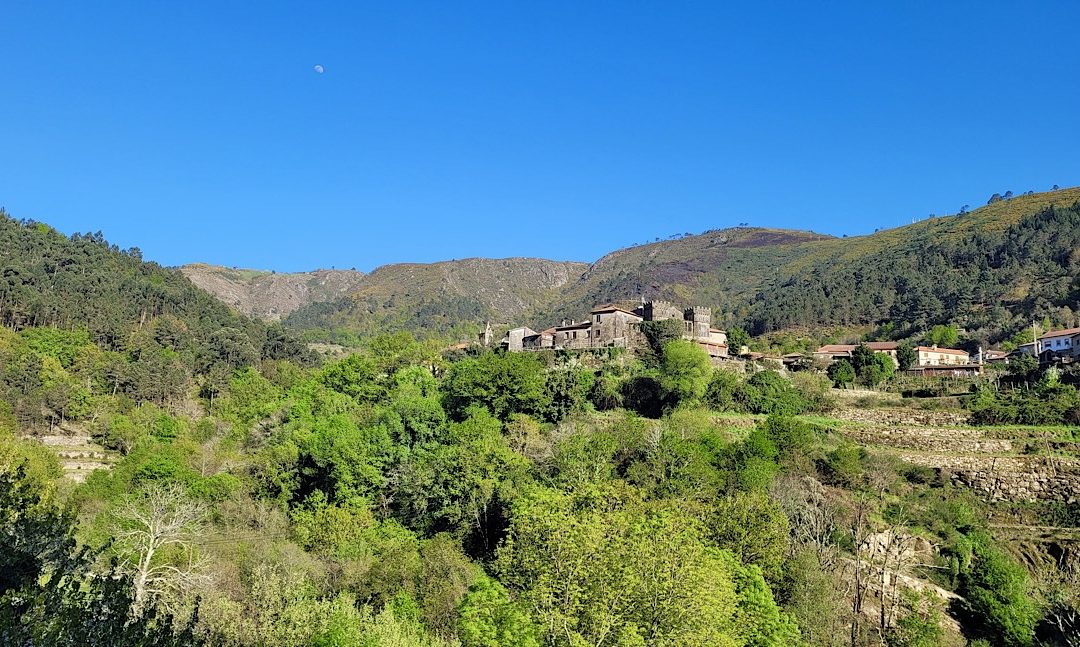
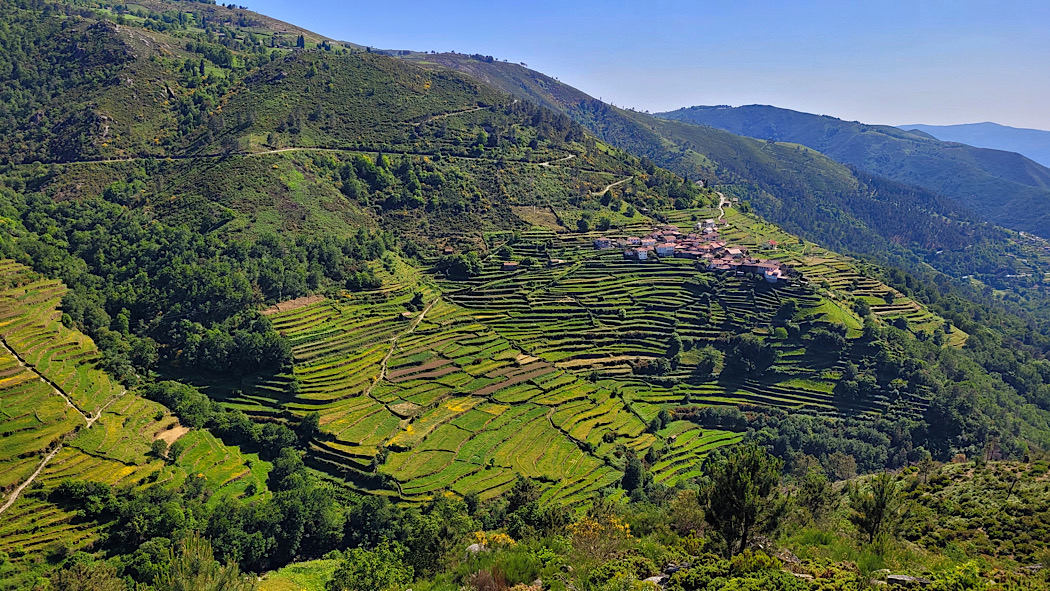
In Sistelo, a cultural landscape shaped over generations reveals a remarkable relationship between mountain communities and their natural environment. Terraced fields, paths, cultivated land and small settlements tell a story of work and adaptation to mountain life.

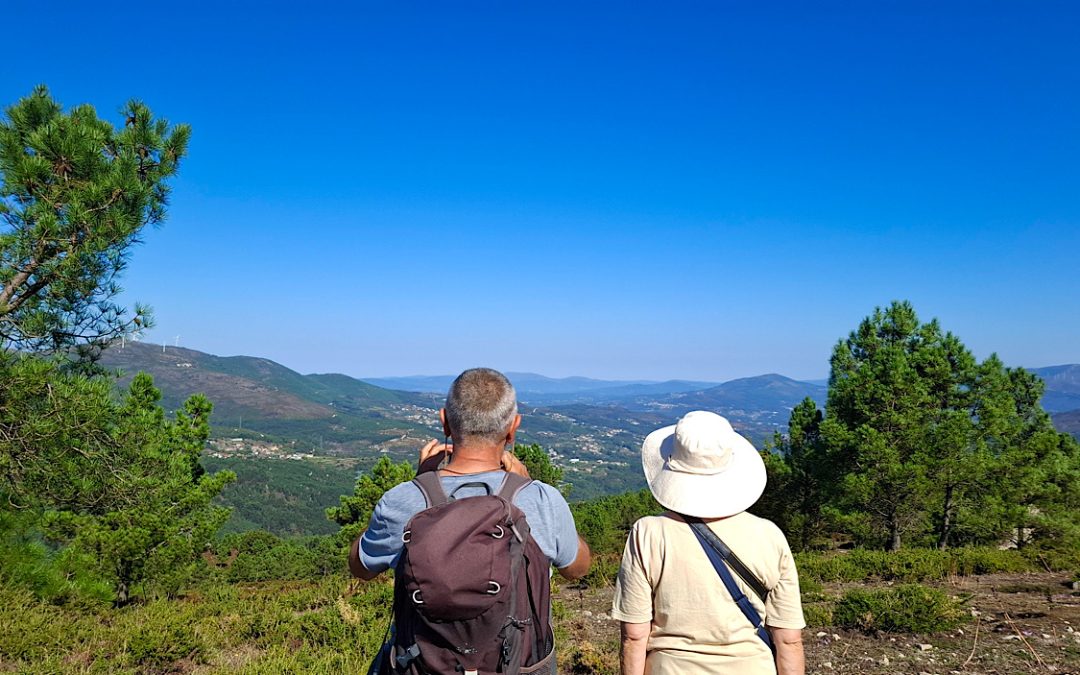
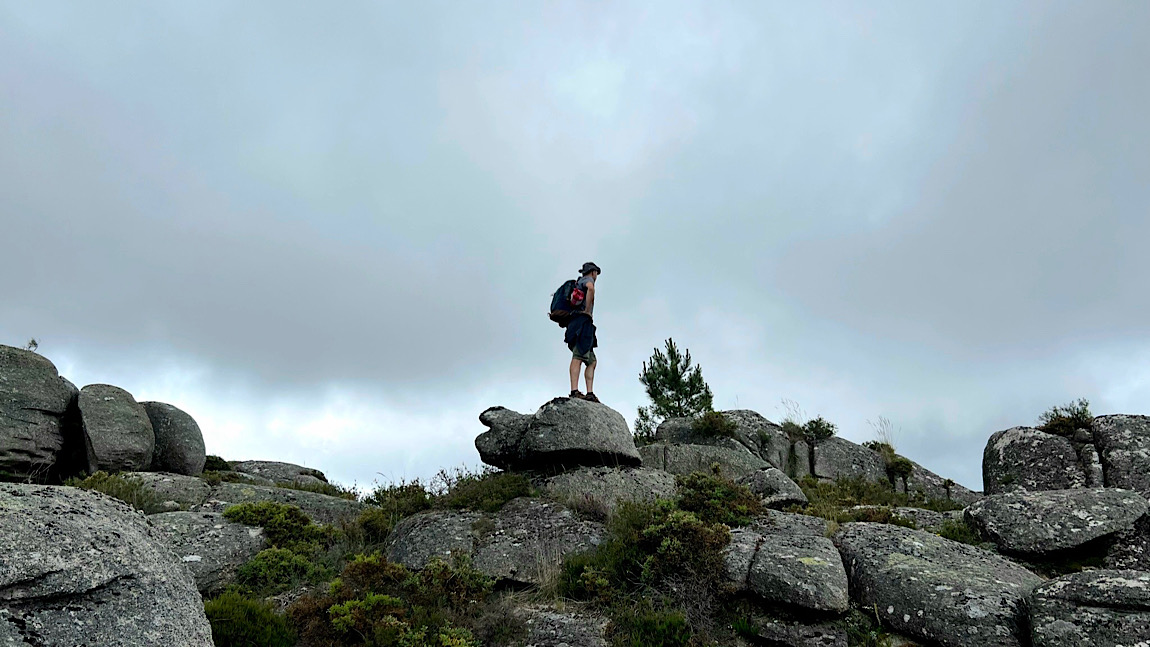
Another possibility is to explore Mezio and Soajo, within the Peneda-Gerês National Park. Here, landscapes of outstanding natural value combine with traditional villages, rural heritage and traces of a long relationship between local communities and the mountains.
The region also offers the opportunity to visit a local farm. A chance to discover how the land is cultivated, meet the people who work it and learn about some of the products that form part of the area’s identity. Depending on the farm and its availability, the visit may include a tasting or even a meal.

Para além destas experiências, o território oferece também a possibilidade de conhecer uma exploração agrícola local. Uma visita para descobrir os modos de produção, conversar com quem trabalha a terra e conhecer alguns dos produtos que fazem parte da identidade da região. Dependendo das características e disponibilidade da exploração, este encontro poderá incluir uma prova de produtos ou mesmo uma refeição.
Discovering the Territory with We Want Green
We Want Green offers different ways to discover Arcos de Valdevez through territorial interpretation experiences that bring visitors closer to the landscape, history and local communities.
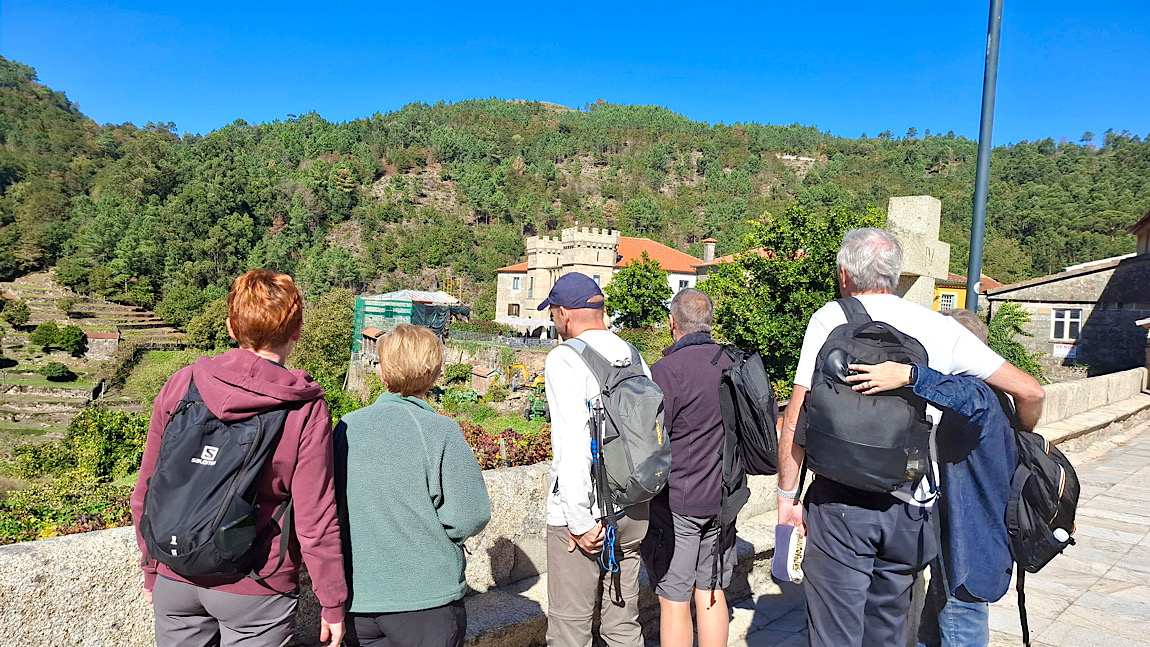
In Sistelo, The Landscape as a Human Creation offers an insight into the making of a remarkable cultural landscape and the relationship between mountain communities and their surroundings.
Around Mezio and Soajo, Nature and Presence invites visitors to explore Peneda-Gerês National Park through nature observation and an interpretation of the landscape.
These are distinct experiences that can be complemented by a visit to a local farm and an introduction to the region’s products.
Because some places help us understand the history of a country. And there are territories where that history remains present in the landscape, in local communities and in the ways people inhabit the world.