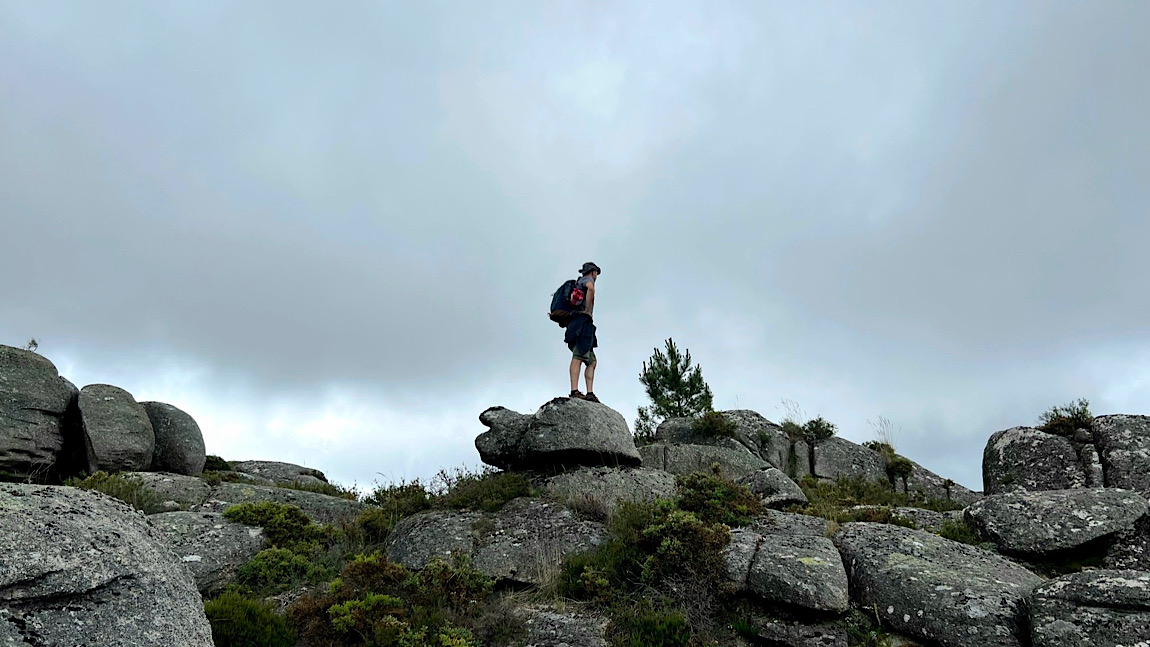
Between Alto Minho and Galicia: a living cultural border
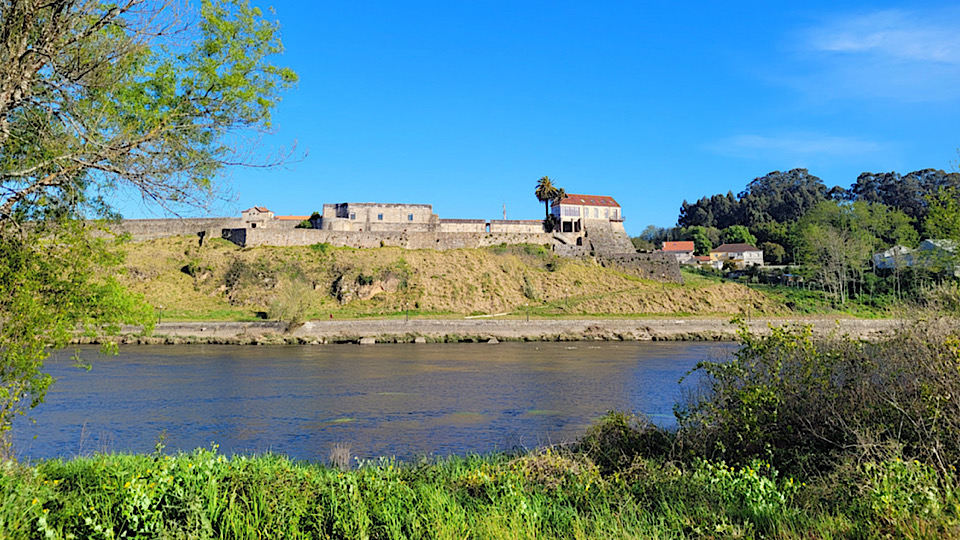
Between Alto Minho and Galicia there is a clear political boundary, yet a surprisingly permeable cultural frontier. Those who travel through this region with attention quickly realise that the Minho River does not separate worlds; it stitches together human landscapes, memories, and ways of life that resonate on both banks. Here, the border is less a line and more a space of encounter.
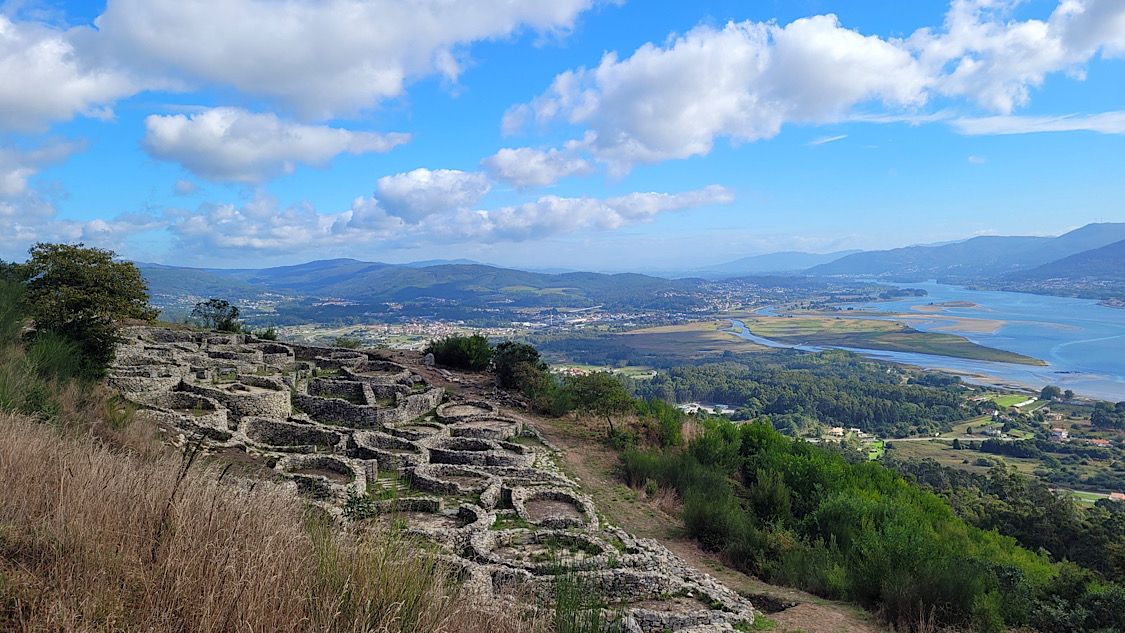
Deep historical roots and cross-border continuity
This cultural fluidity has ancient origins. Long before Portugal and Spain existed, these lands already shared a common cultural foundation: the Castro culture, developed in the Iron Age throughout the Northwest of the Iberian Peninsula. The castros — fortified hilltop settlements — are not merely archaeological remains; they reflect a way of inhabiting the land grounded in proximity, community, and a deep connection with the landscape.
Although the castros are not direct ancestors of today’s villages, they left a lasting cultural imprint. The logic of small settlements, strong local identity, shared use of natural resources, and symbolic ties to hills, rivers, and paths continue to shape this territory. Romanisation, the Middle Ages, and the formation of modern states brought profound changes but did not erase this enduring foundation.
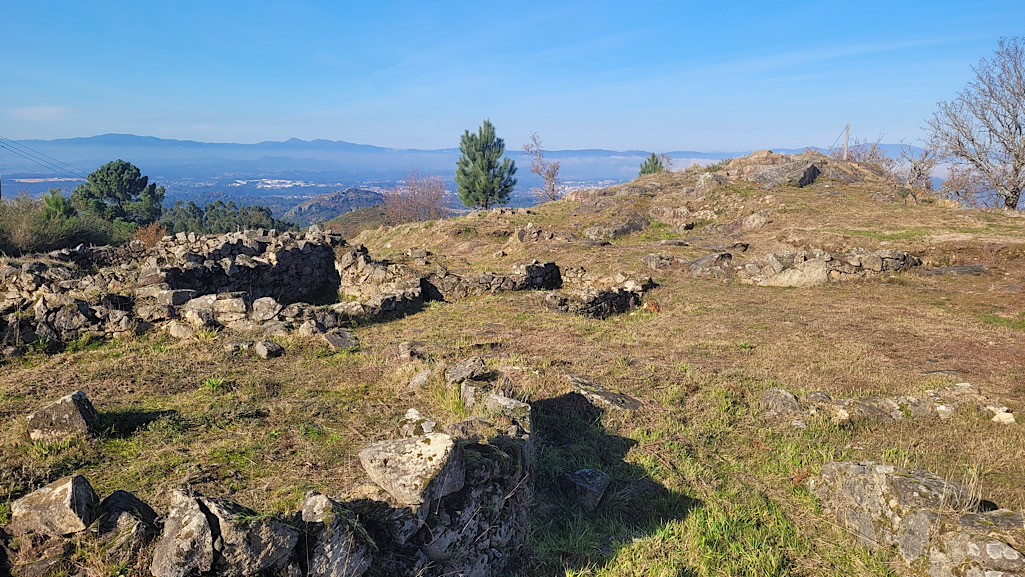
Cultural affinities and diversity of human landscapes
The result is a singular cultural space where attentive travellers recognise subtle affinities: in vernacular architecture, festivals, music, rural rhythms, gastronomy, and even in the way people welcome visitors. The language changes, accents vary, administration differs — yet a sense of familiarity persists.
This shared heritage does not create a homogeneous identity; rather, it reveals something essential: diversity as a form of richness. Alto Minho and Galicia are not the same, nor do they need to be. Each side of the river has followed its own historical, political, and cultural path. It is precisely this diversity, built upon a shared foundation, that makes the region so rich and compelling.
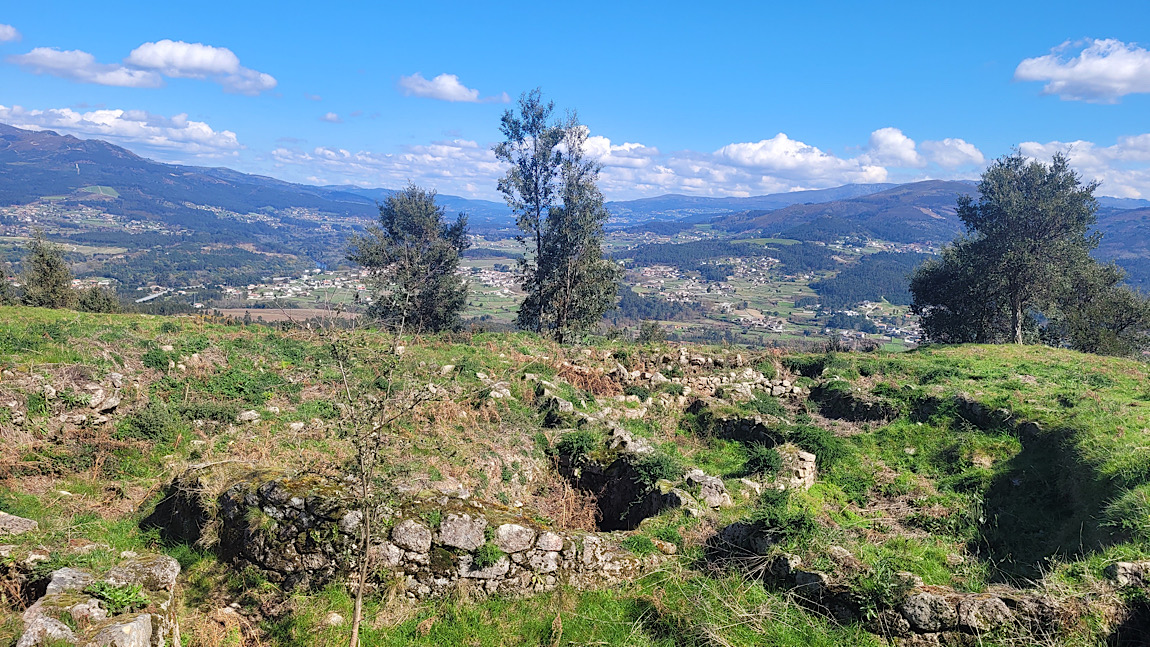
Conscious travelling in Luso-Galician territory
At a time when tourism increasingly seeks authentic and sustainable experiences, this borderland offers something rare: the opportunity to travel through continuity and difference, without artificial ruptures. Crossing the border here is a simple, almost natural gesture — as it always has been for local communities, who for centuries moved, traded, married, and celebrated across the river.
This territory challenges rigid notions of centre and periphery. It is not a “minor in-between” but a cultural space in its own right, shaped by historical coexistence, adaptation to the Atlantic landscape, and a strong sense of place. Walking through these lands is entering a long narrative, layered in time, where the past is not a museum, but a discreet presence.
Heritage recognition and cultural sustainability
Promoting Alto Minho and Galicia as a joint travel destination is more than a strategy: it is a recognition. Recognition that political borders do not exhaust cultural realities; that diversity is not an obstacle but an opportunity; and that travel can be an exercise in listening and understanding.
In this green corner of the Northwest Iberian Peninsula, sustainability is not only environmental — it is also cultural. Preserving this human landscape — diverse, porous, deeply rooted — ensures that those who arrive here encounter not only beautiful places, but shared, living stories in dialogue.
Here, the border does not separate: it brings closer.