Architecture, garden and productive landscape
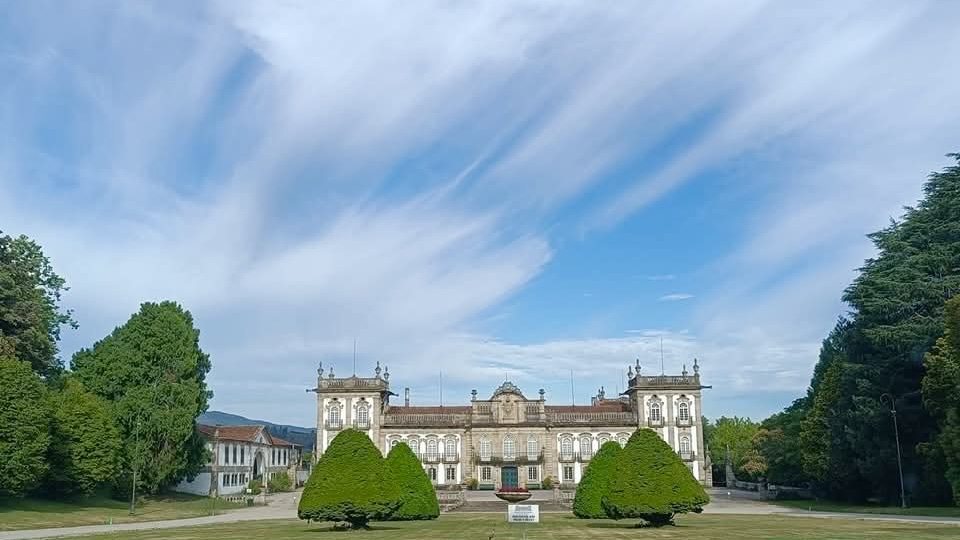
The Brejoeira Palace is undoubtedly one of the grandest and most impressive in the region. Built at the beginning of the 19th century in neoclassical style, it is part of a vast walled estate surrounded by large English-inspired gardens, 18 hectares of vineyards and 8 hectares of woodland.
A place shaped by time
Although many illustrious names are associated with the palace's history, it is Dona Hermínia Paes who emanates its most striking symbolic force. Born in 1918 and deceased in 2015, it was she who profoundly reorganised the property and gave it a new vision.
His decision to invest in planting the Alvarinho grape variety transformed not only Brejoeira, but also the very perception of wine in the region.
The affirmation of Alvarinho
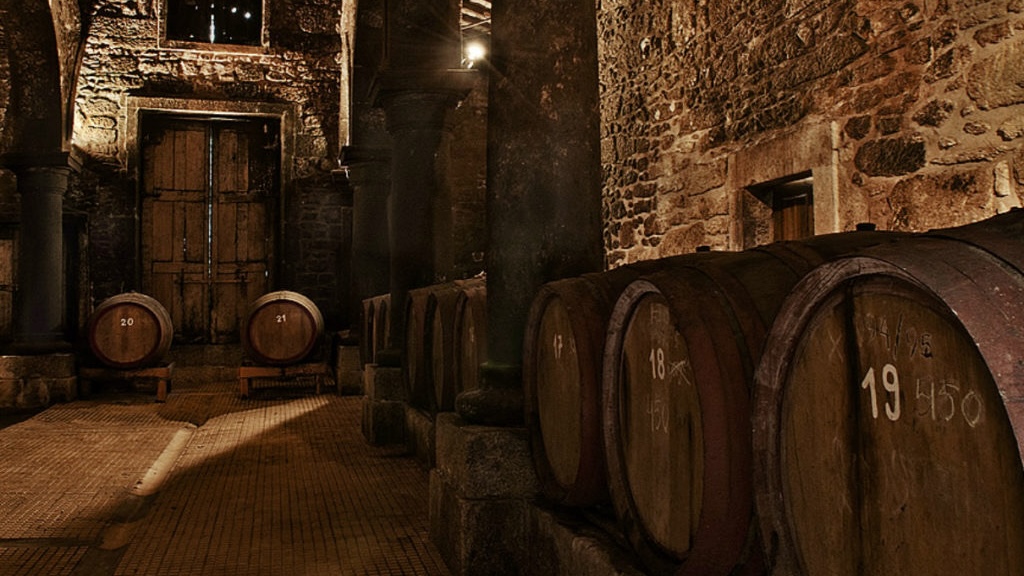
Until this change, the wine produced was mainly for family consumption or sold in bulk to small local grocers. At the time, the traditional grape varieties Brancelho (or Alvarelhão), Pedral and Vinhão dominated.
With the introduction of Alvarinho, Brejoeira wine gained its own identity, recognised quality and commercial projection, raising the name of the palace and contributing to the prestige of Monção and Melgaço as a wine-growing territory.
Heritage, culture and continuity
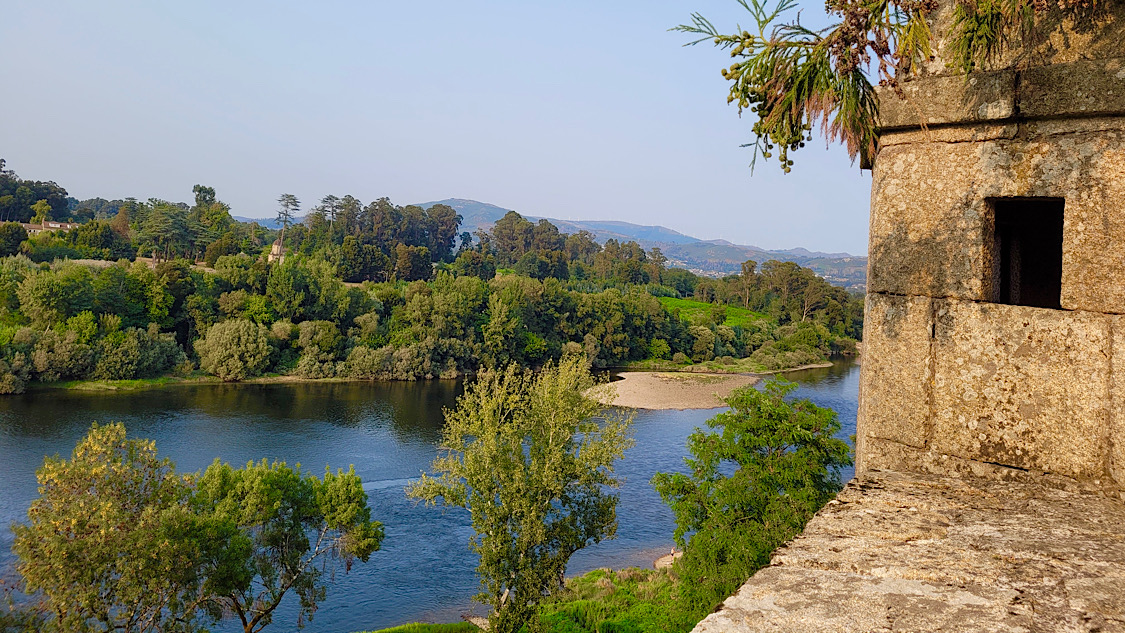
For these reasons - and many others - the Palácio da Brejoeira, classified as a National Monument, is an unmissable place of discovery, where architecture, landscape, memory and wine culture intertwine in an exemplary way.
More than visiting a palace, it's about understanding a process: how a woman's vision, inscribed in a concrete territory, helped shape the destiny of Alvarinho and the cultural continuity of the region.