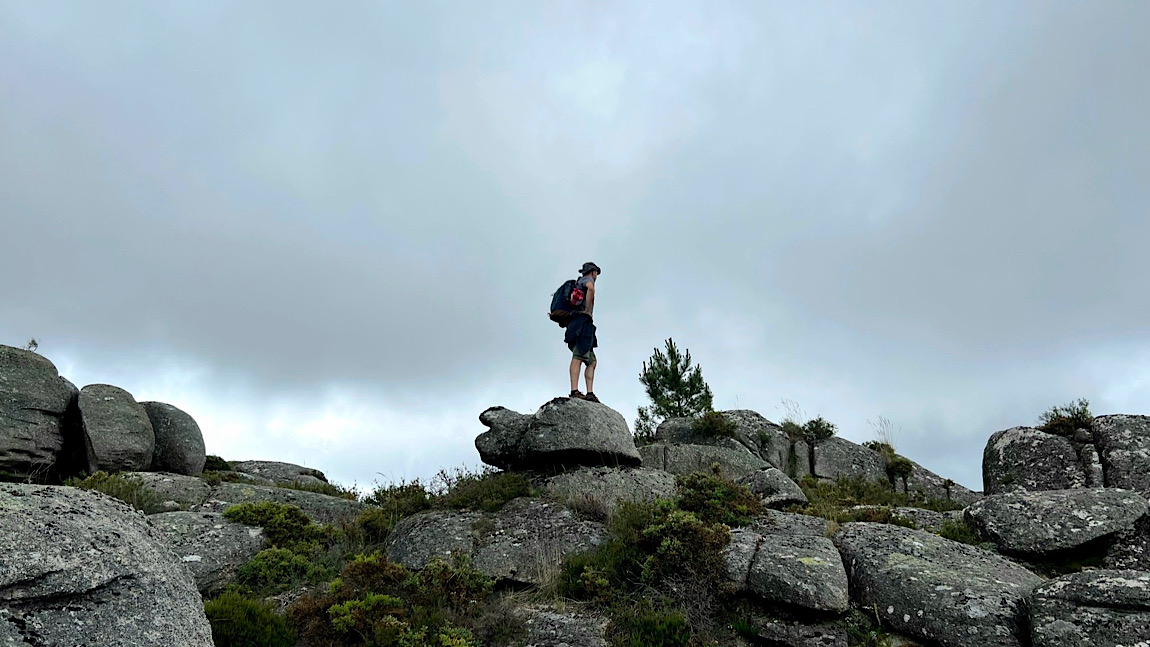
Territories that intertwine
Monção and Melgaço consolidate a neighbourhood marked by history, culture and geography. More than administrative boundaries, these municipalities act as identity elements that bring communities together, mould them and define them. The symbiosis between territories that are as similar as they are complementary - driven by wine - makes it possible to highlight geographical, climatic, cultural and historical specificities, creating a unique terroir, an expression that captures something that “territory” hardly translates.
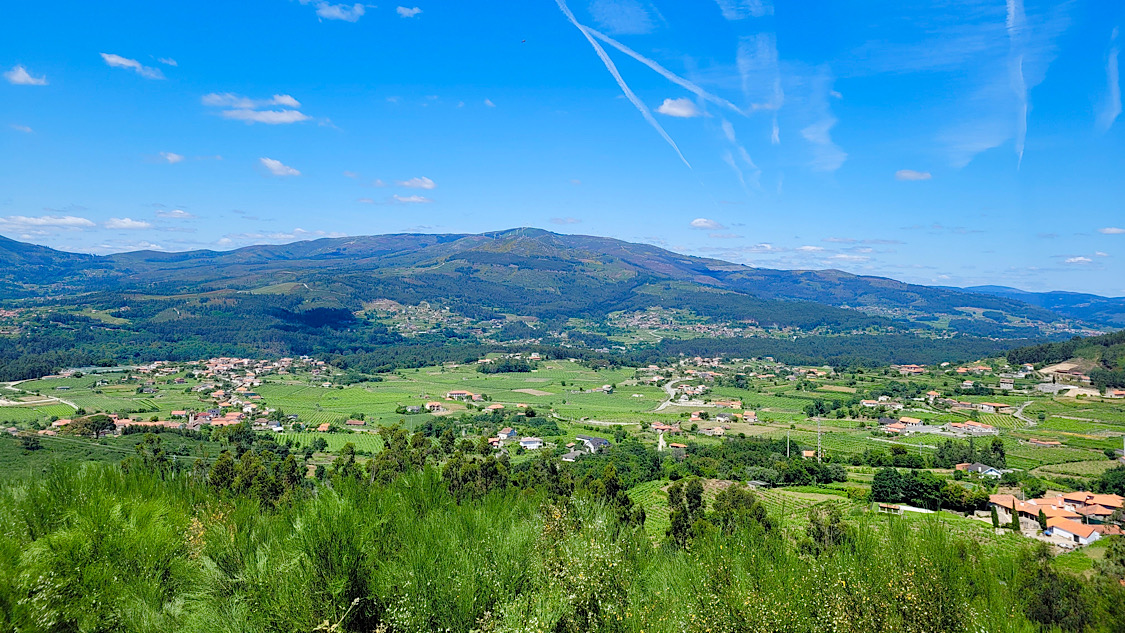
The weight of history
At every step, the past reveals itself in the Castro ruins, Roman and medieval remains, fortified walls and stately homes. Even the buildings from the emigration of the second half of the 20th century function as living documents, open to multiple readings. Fishing in the ancestral fishing grounds of the Minho, smuggling, border dynamics, agriculture and wine have been structuring elements of this region's character for centuries.
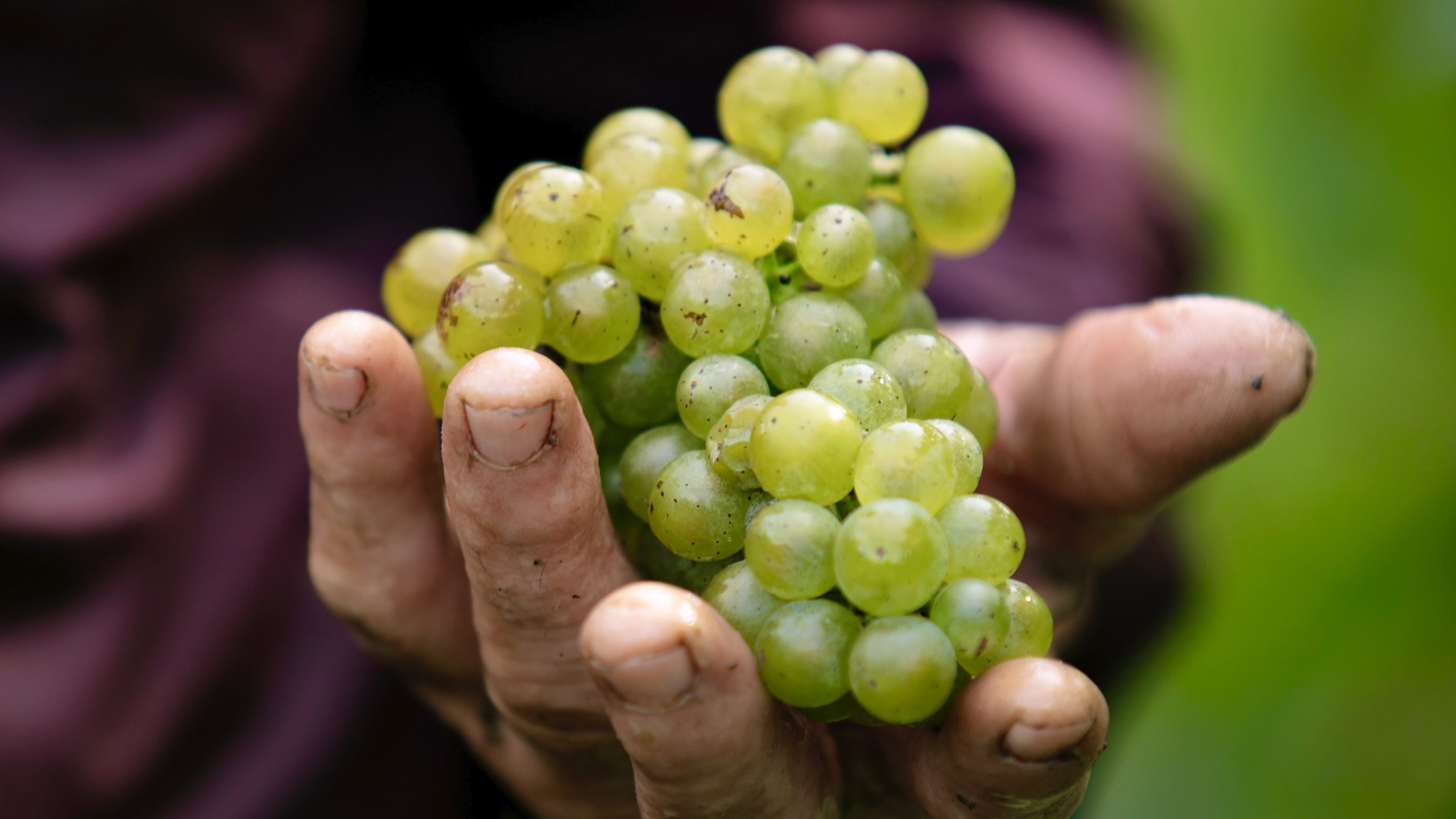
Wine time
Today, it is the vineyard that gives the territory its existential meaning. Always present - for its own consumption or as a complementary economic activity - the white grape variety Alvarinho It has gained prominence and strength, becoming not just a product, but a culture, a social link and an assumed passion.
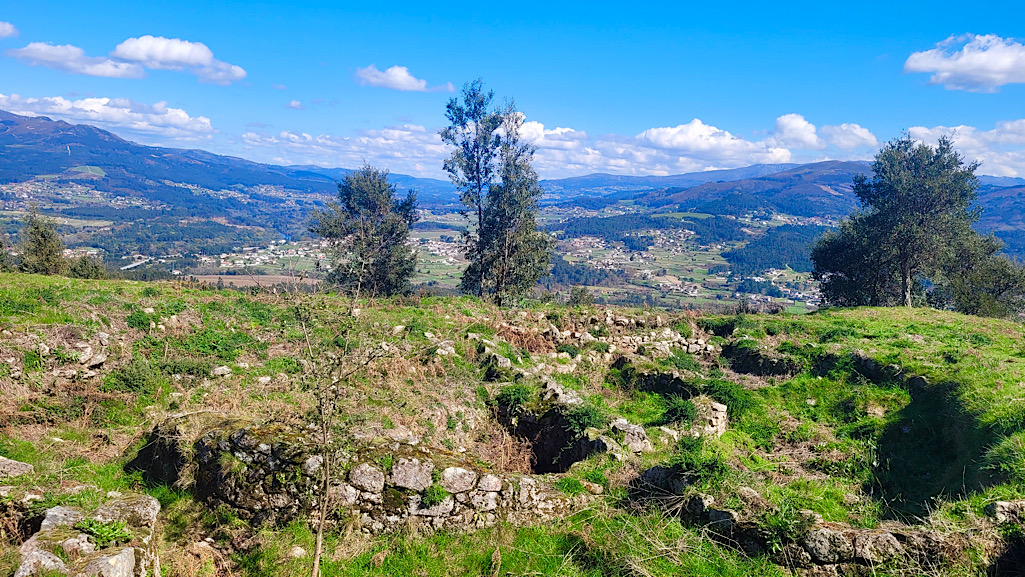
Vineyards that tell stories
Cultivation remains essentially family-run. Small producers supply grapes to farms and appellations, perpetuating old ties and reinforcing the personality of Alvarinho de Monção e Melgaço. With the arrival of major players on the national wine scene, what is evident is not the de-characterisation, but the strengthening of these ties. It is this singular soul that elevates Alvarinho to its place of prominence, giving it a distinct personality and lasting value.
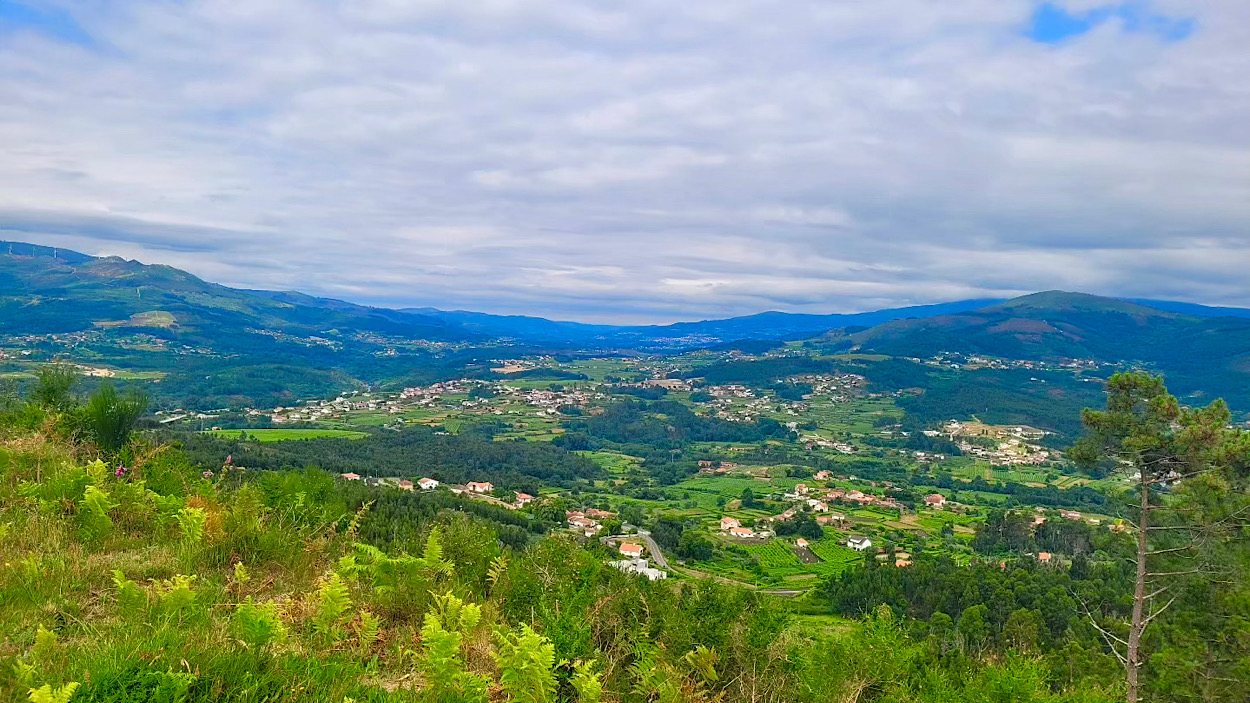
Living the territory
Monção and Melgaço are not just travelled through: they are lived. Between landscapes, vineyards and memories, every moment here is an invitation to understand the time, history and culture that mould this far north-west of Portugal.