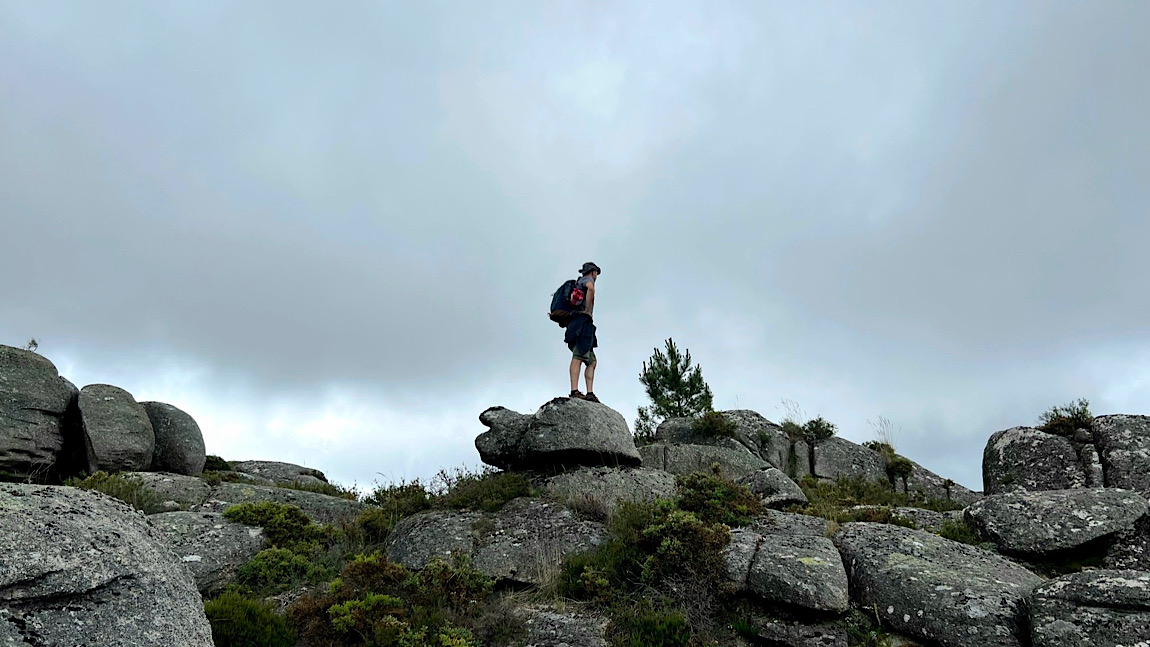
Travelling with time means embracing a different rhythm. It means slowing down. Staying longer. Learning to observe more closely. Allowing places, stories and people to reveal themselves gradually, without haste or artifice. We Want Green is not about visiting places — it is about inhabiting a shared territory, slowly and attentively.
For us, travel is not an act of accumulation, nor a checklist of experiences. It is a form of presence. A way of entering into dialogue with landscapes shaped by time, with communities rooted in place, and with ways of life that resist acceleration.
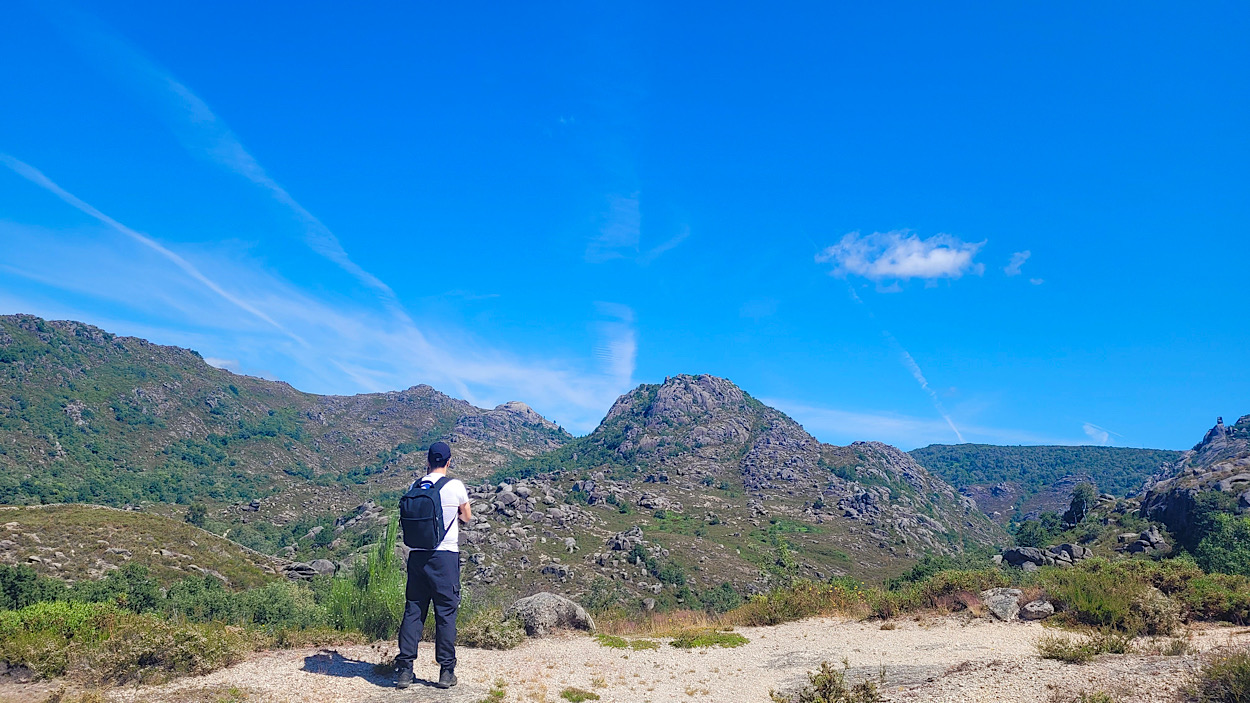
We work in territories where nature and culture have grown together — where vineyards follow the contours of the land, where paths connect fields, villages and memory, and where daily life still unfolds in close relationship with the environment. These are inhabited landscapes, not backdrops. They ask to be read, not consumed.
To inhabit a territory, even briefly, is to accept its rhythm. It is to walk rather than rush. To listen as much as to look. To taste with attention, understanding wine and food as cultural expressions rather than products.
In border regions such as Alto Minho and Galicia, this sense of continuity becomes especially clear. Here, the frontier is not a division but a shared space — shaped by centuries of exchanges, affinities and common practices. Landscapes, languages, agricultural knowledge and culinary traditions flow across borders, forming a living cultural fabric.
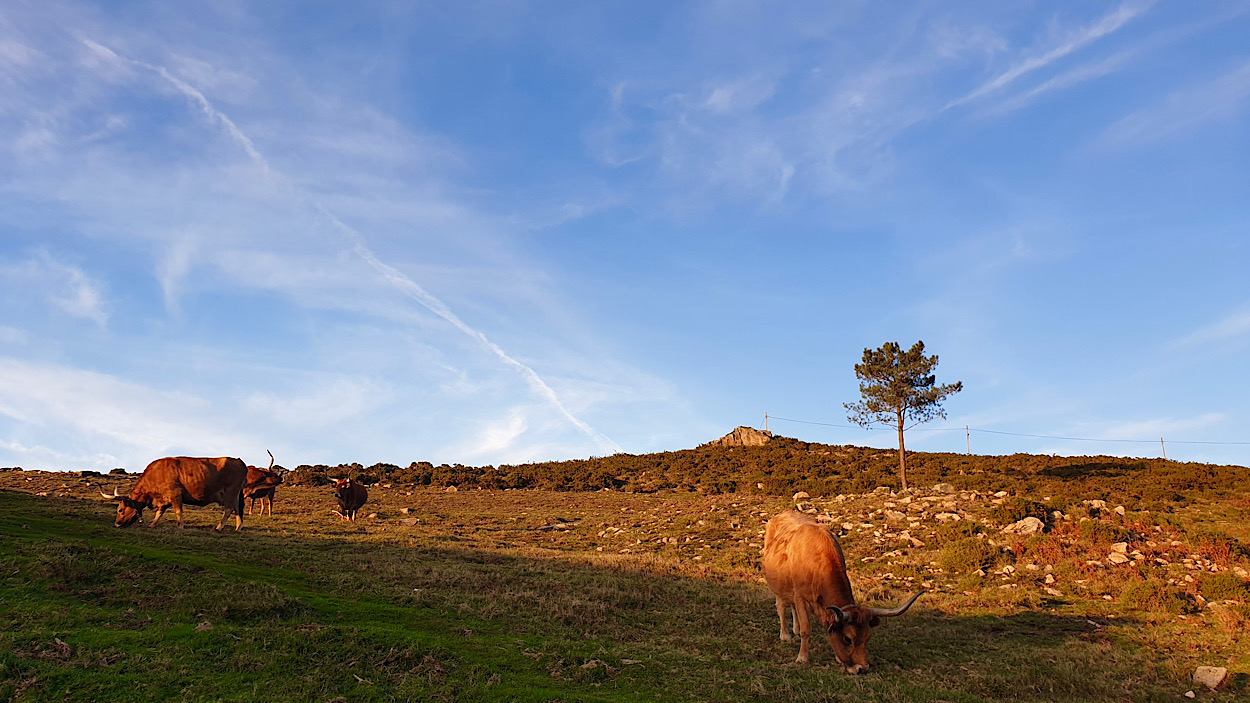
We believe that meaningful travel happens at a human scale. It requires time, care and mediation. Encounters are not staged; they are prepared. Paths are not chosen for performance, but for what they reveal. Wine is approached as landscape in liquid form — an expression of soil, climate, work and memory.
This approach values depth over speed, attention over excess, relationship over spectacle. It privileges the quality of presence rather than the quantity of experiences.
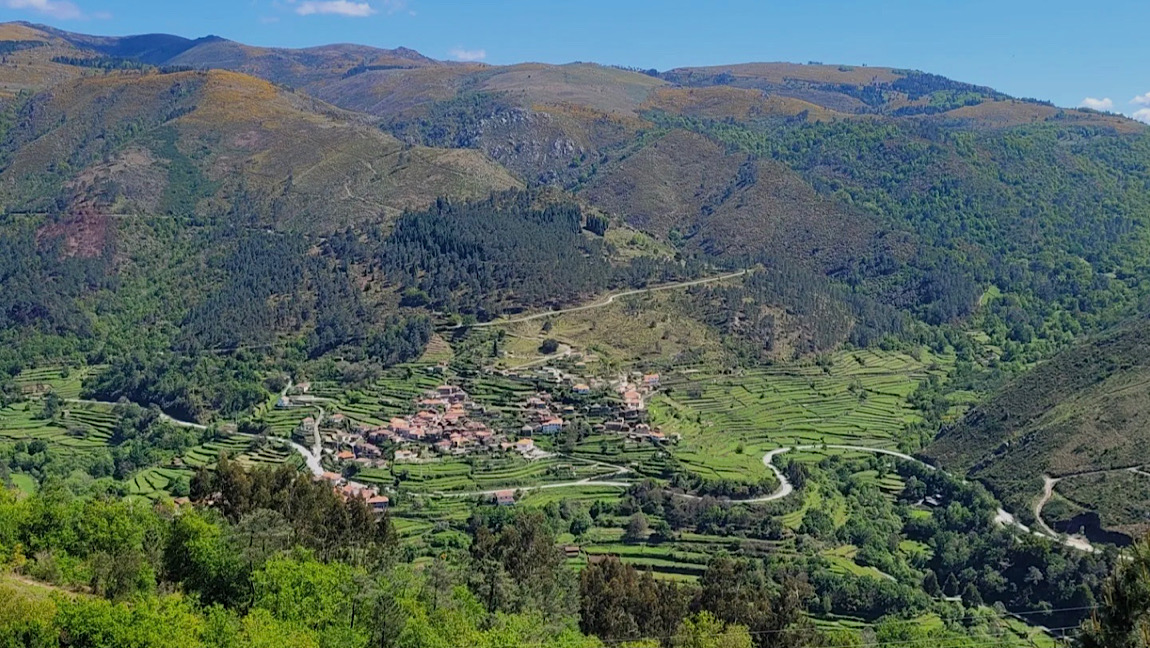
In a world increasingly driven by urgency and constant movement, choosing slowness becomes a conscious act. Not as nostalgia, but as clarity. Slowness allows understanding. It creates space for emotion, for learning, for connection — with places, and with oneself. We Want Green was born from this conviction: that travel can still be a way of being in the world, rather than a way of passing through it.
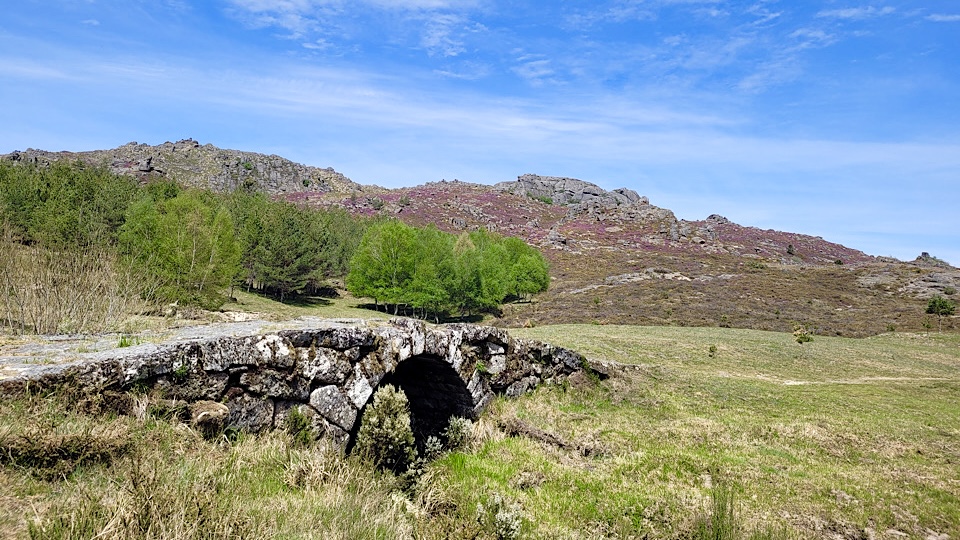
An invitation to walk, to listen, to share a table, to follow a landscape over time. An invitation to inhabit, even if only for a moment.