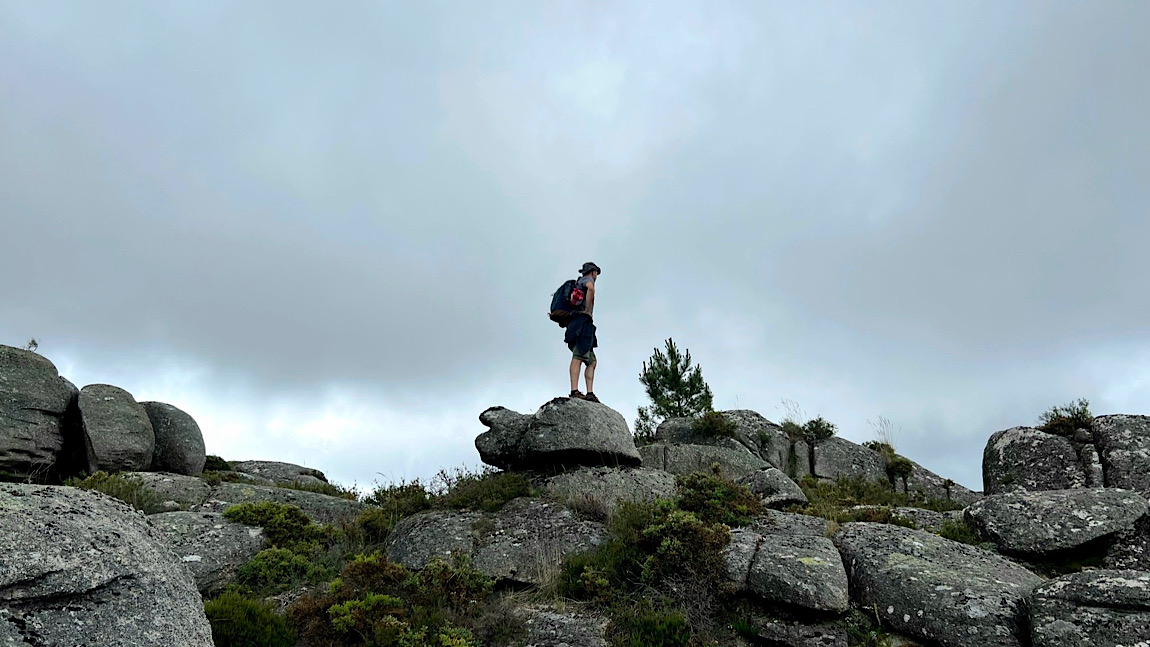
Experiencing rural Portugal through landscape, time and presence
In rural Portugal, nature is not a backdrop. It is a lived space, moulded over centuries by human presence, seasonal work and attentive gestures. Fields, paths, terraces and vineyards are not just landscapes to observe, but expressions of a shared history between people and territory.
Approaching nature as a cultural immersion means recognising that each landscape carries a memory. It means realising that walking through a rural area is also reading time - its rhythms, pauses and continuities.
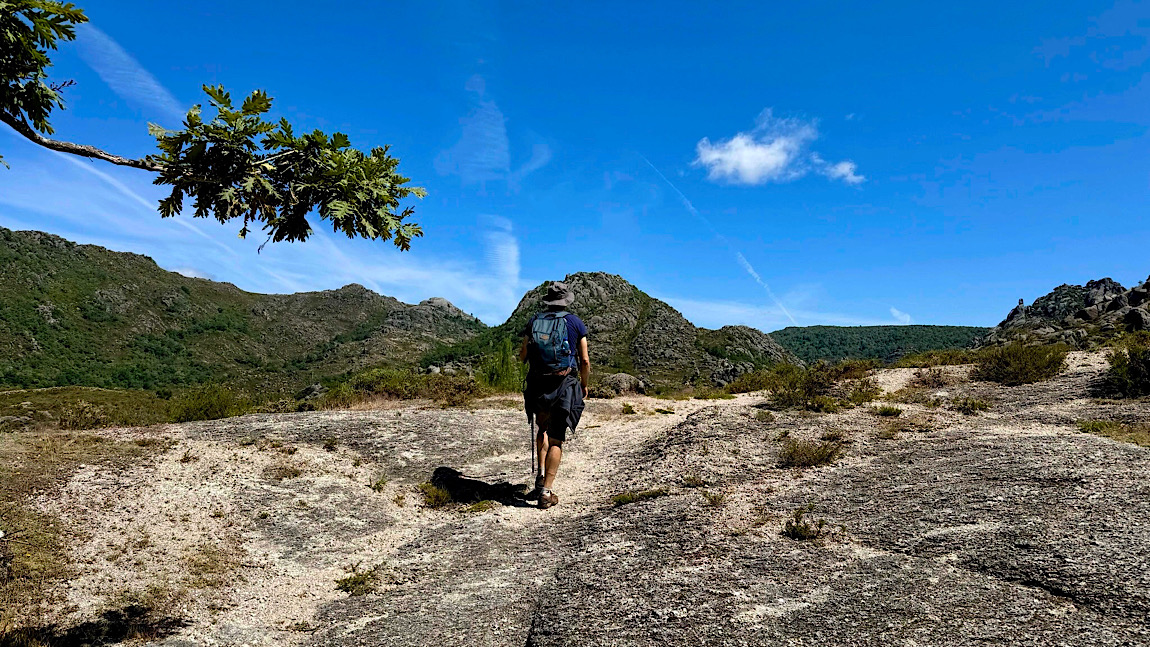
Landscape as living cultural memory
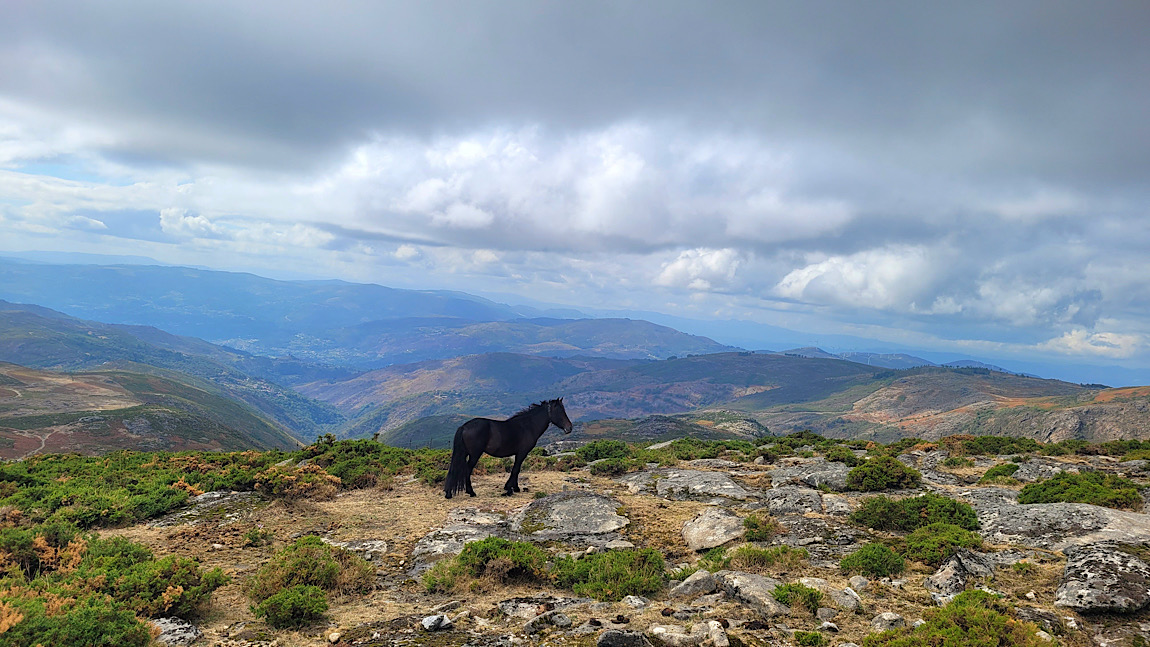
The landscapes of northern Portugal, particularly in Alto Minho, reveal an intimate relationship between natural forms and human care. Stone walls, terraced fields, irrigation channels, and cultivated slopes bear witness to adaptation, patience, and knowledge passed down through generations.
These are not static environments. They are living landscapes, continuously shaped by agricultural practices, seasonal cycles, and everyday life. Observing them attentively allows an understanding of local culture — not through explanation, but through presence.
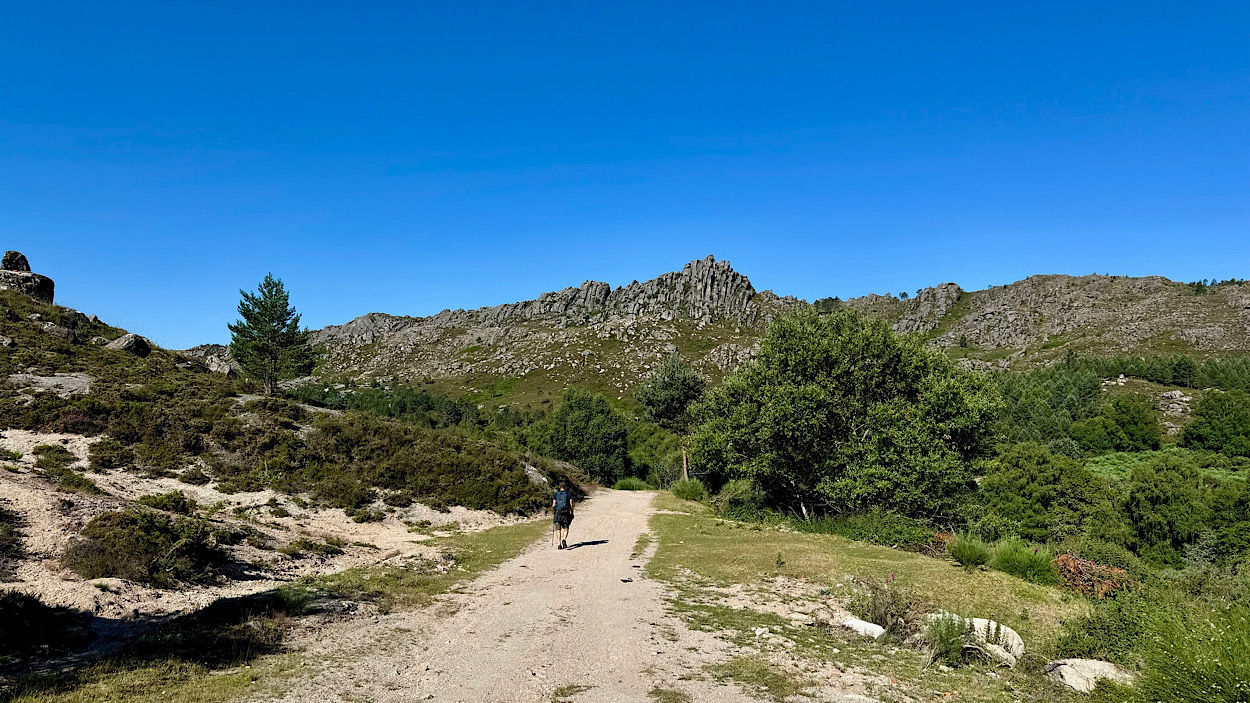
Time, attention and patient observation
Experiencing culture through nature requires time. Not time measured by schedules, but time available.
Our approach invites slow movement, attentive walks, and moments of stillness. As the pace slows, the senses sharpen: sounds become more distinct, textures more present, gestures more meaningful. What emerges is not a spectacle, but a quiet form of understanding, rooted in observation and proximity.
This way of travelling values continuity over accumulation and depth over coverage. It creates space for reflection, learning, and connection — to the land, to local practices, and to oneself.
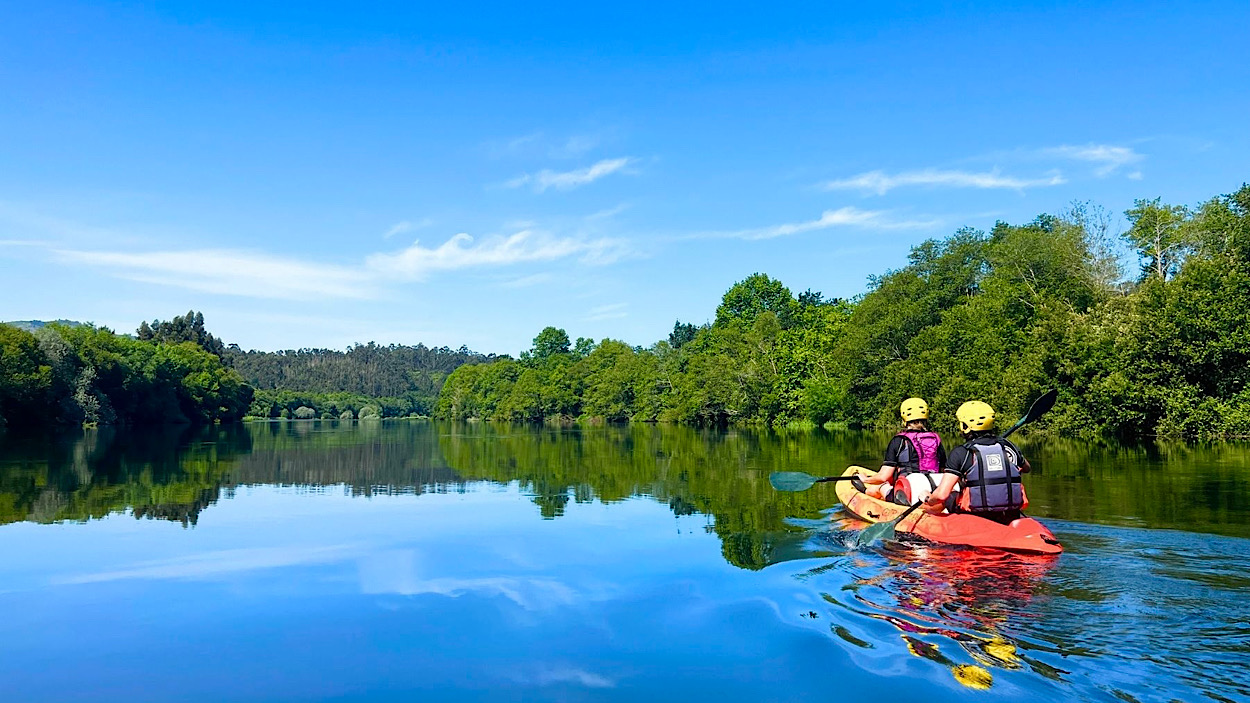
Human practices and seasonal rhythms
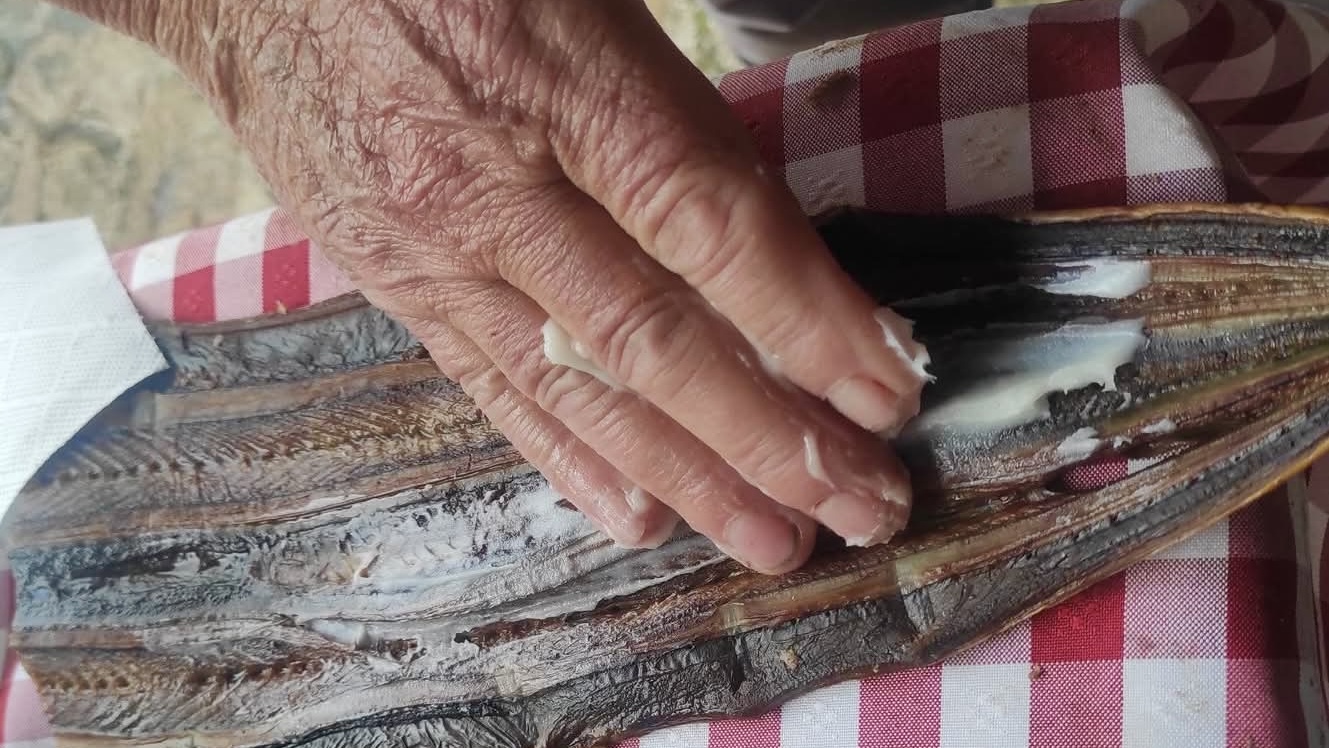
Rural culture unfolds through everyday gestures: pruning vines, tending small plots, preparing food, maintaining paths. These practices follow the seasons and respond to the conditions of the territory, forming a rhythm that subtly structures life.
By accompanying these rhythms — through walks, shared moments, tastings, or simple conversations — visitors are invited into a cultural experience that is neither staged nor extracted, but encountered with care.
Beyond tourism: ways of being in place
Living culture through nature also means questioning conventional ideas of travel.
A stay can become a period of attentive inhabitation: spending time in one territory, returning to the same paths, recognising familiar faces, observing changes in light, weather, and activity. Such experiences resonate not only with travellers, but also with writers, researchers, artists, and those seeking a deeper relationship with place.
These forms of presence open possibilities for alternative stays, short residencies, and reflective journeys, where value lies not in intensity, but in continuity and care.
An invitation to presence and inhabiting
Experiencing nature as cultural immersion is, ultimately, an invitation: to slow down, to look closely, and to listen.
In doing so, rural Portugal reveals itself not as a destination to be consumed, but as a territory to be encountered — shaped by time, sustained by human presence, and open to those willing to relate to it attentively.