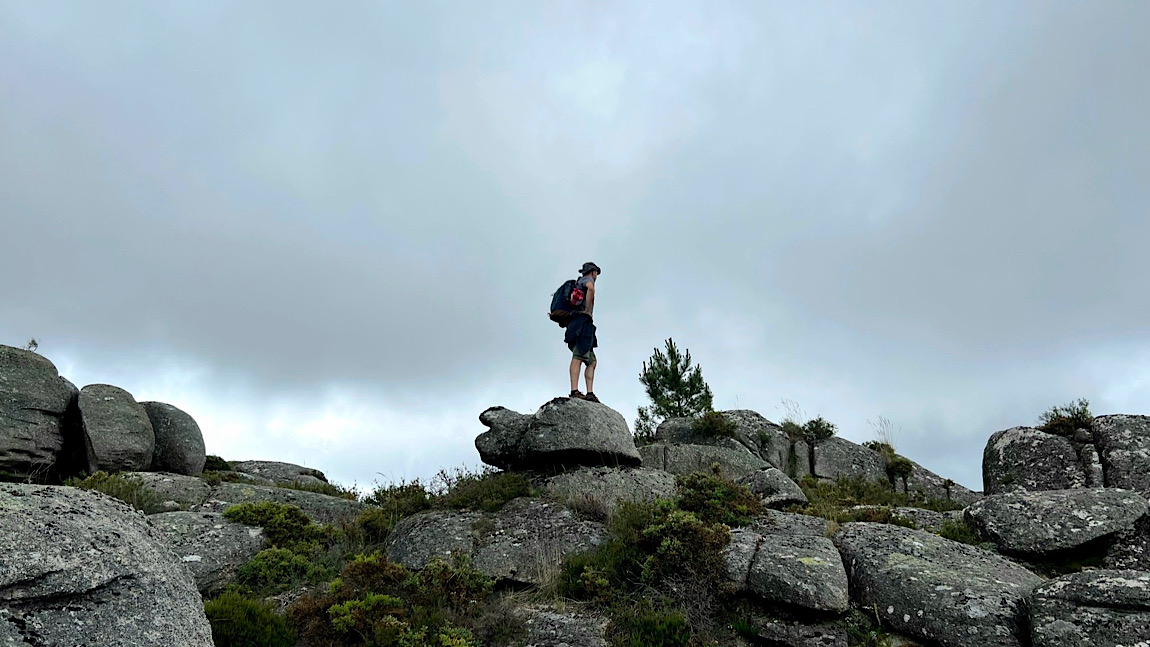
Inhabiting the Rhythm of a Place
In Cantal, arrival does not mark a clear beginning.
The territory does not impose itself — it reveals itself.
There is only a moment when movement slows down, almost unnoticed,
and everything begins, quietly, to take presence.
Ancient volcanic forms shape the landscape with continuity.
Broad, rounded lines stretch across the horizon without rupture.
Nothing seeks to stand out — and perhaps that is why everything feels so evident.
Here, time is not measured in movement.
It settles.
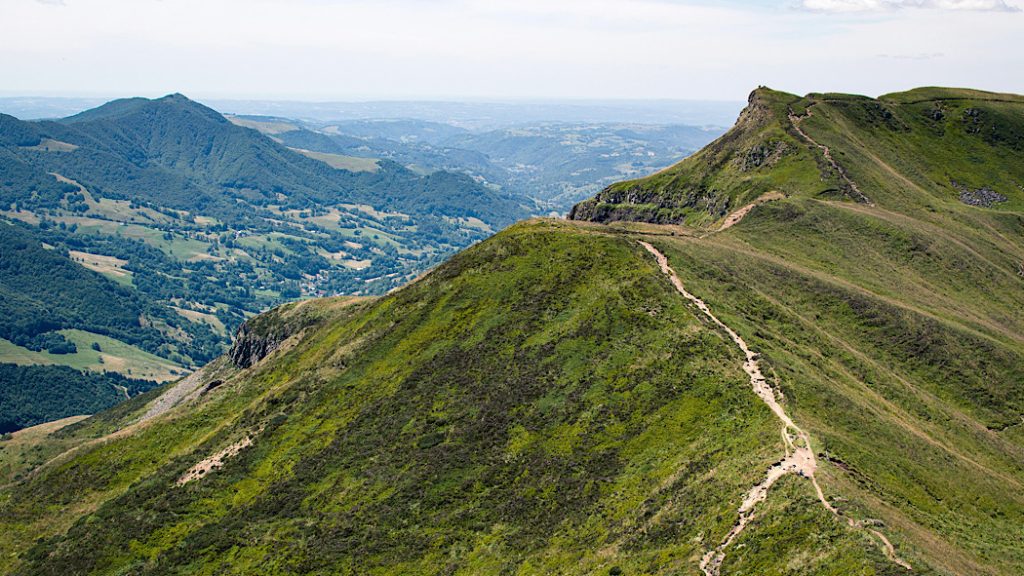
Photo by Gaëtan Spinhayer in the Unsplash
Walking as a Form of Presence
Walking becomes the simplest way in. Not as an activity, but as a natural gesture. Following a ridge, descending into a valley, crossing a plateau without haste — movements that do not necessarily lead to a destination, but allow the territory to reveal itself, little by little.
Over the days, some paths are no longer new. One returns to a trail already walked, not for lack of alternatives, but because something remained unseen, unfelt, unabsorbed.
The light shifts. The air becomes denser or lighter. Sounds come closer or drift away, reshaping perception. Just as the angle of observation shapes our relation to a work, so the territory transforms within the experience of the one who inhabits it.
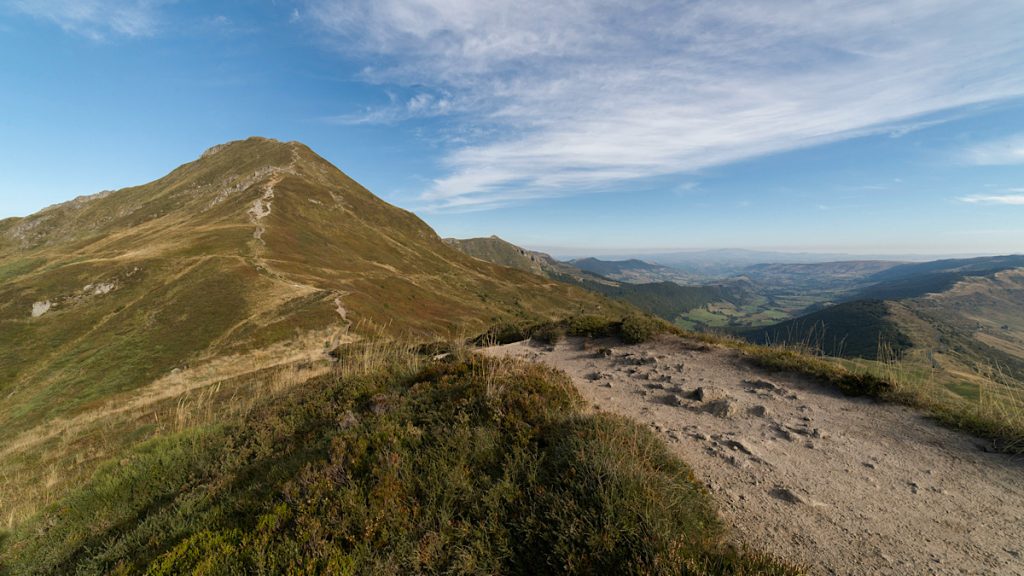
Photo by Niko WTFIRL in the Unsplash
Between the Seen and the Lived
What once seemed familiar becomes, subtly, something else.
It is in this return — almost involuntary —
that the place reveals its intimate truth and begins to be recognised.
Human presence does not assert itself.
It is simply there. And that is not little.
A repeated gesture, a half-open door, a brief conversation that does not seek to last —
nothing is staged, nothing prepared.
What exists, exists independently of those who arrive. Those who arrive step in quietly, without noise, and slowly absorb the place, its people, its ways of life.
Everything unfolds at a contained scale, where the essential does not need explanation.
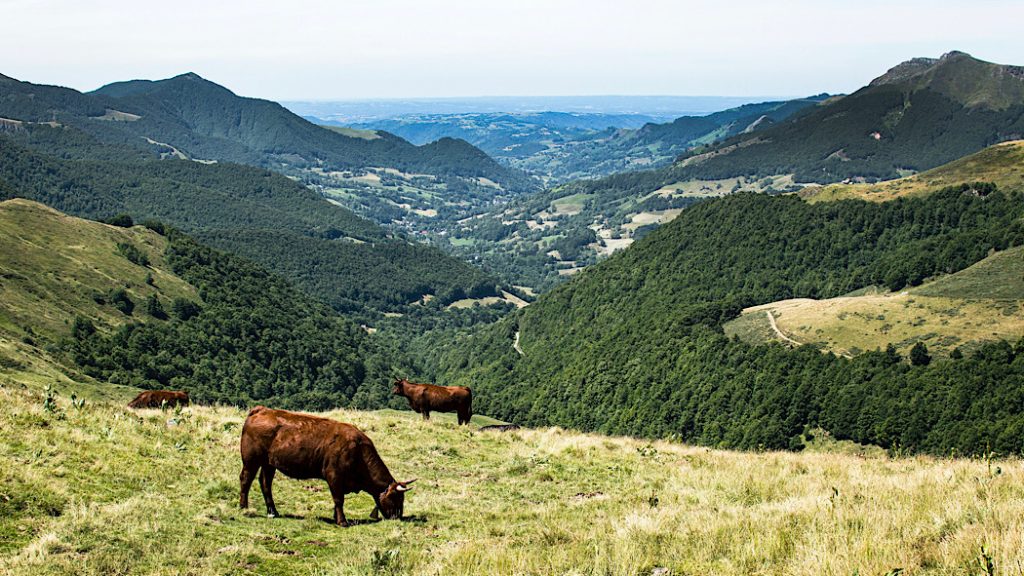
Photo by Gaëtan Spinhayer in the Unsplash
The Place That Remains
With time, the territory ceases to be external. It becomes belonging. Perhaps memory. Perhaps a desire to return. Certain places grow familiar, certain paths recognisable, certain moments expected — though never identical.
There is no exact moment when this happens. But it happens. And it is perhaps there, in that silent interval, that Cantal ceases to be a place to discover and becomes a place to remain.