Beyond the landscape: identity and creation
When we think of Sistelo, the image that usually comes to mind is the landscape: green terraces, vernacular architecture, the delicate balance between human labour and nature. Yet the history of this territory is not made only of stone and soil. It is also made of people — sometimes unexpected — who, from an apparently peripheral place, connected deeply and uniquely with the wider world.
One of them is Júlia Labourdonnay, Viscountess of Sistelo, a woman who crossed geographies, social conventions and artistic borders at the turn of the nineteenth to the twentieth century.
Between Minho, Brazil and Paris: an international trajectory
Born in Rio de Janeiro in 1853, Júlia Labourdonnay had family roots in Sistelo, where she would later receive the title of Viscountess. Widowed at a young age, at a time when women’s lives were largely defined by economic and social dependence, she chose an uncommon path: to invest in her artistic education and build her own professional trajectory.
This decision reveals a rare spirit of independence. Rather than accepting a passive role, Júlia sought the places where art was learned, contested and affirmed. That place was Paris.
A Portuguese artist in the international art circuit
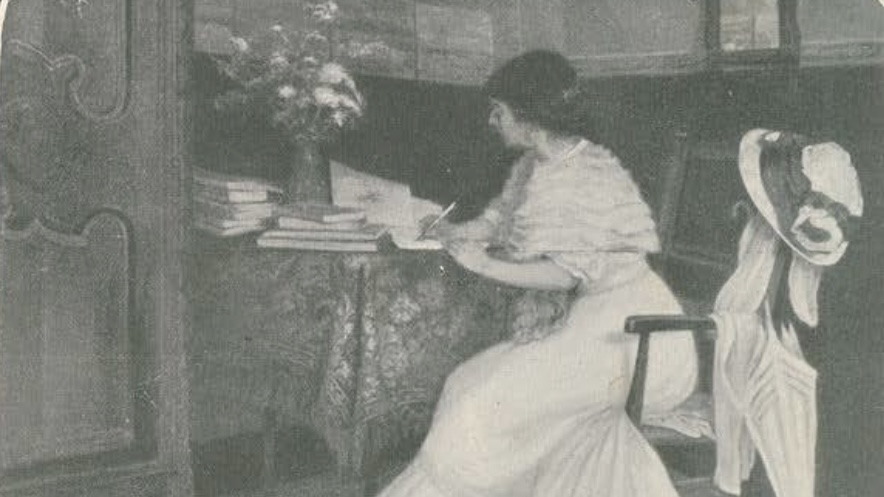
Paris was not for Júlia a romantic abstraction, but a concrete working city. She studied at the Académie Julian, one of the few institutions open to women, and entered the circuit of the Paris Salons, exhibiting regularly alongside international artists.
She also took part in the 1900 Universal Exhibition, in the Portuguese Pavilion, at a moment when art functioned as cultural and political affirmation. Her presence there shows that Júlia was not marginal, but actively engaged in the artistic life of her time.
Sensitive naturalism and feminine affirmation in art
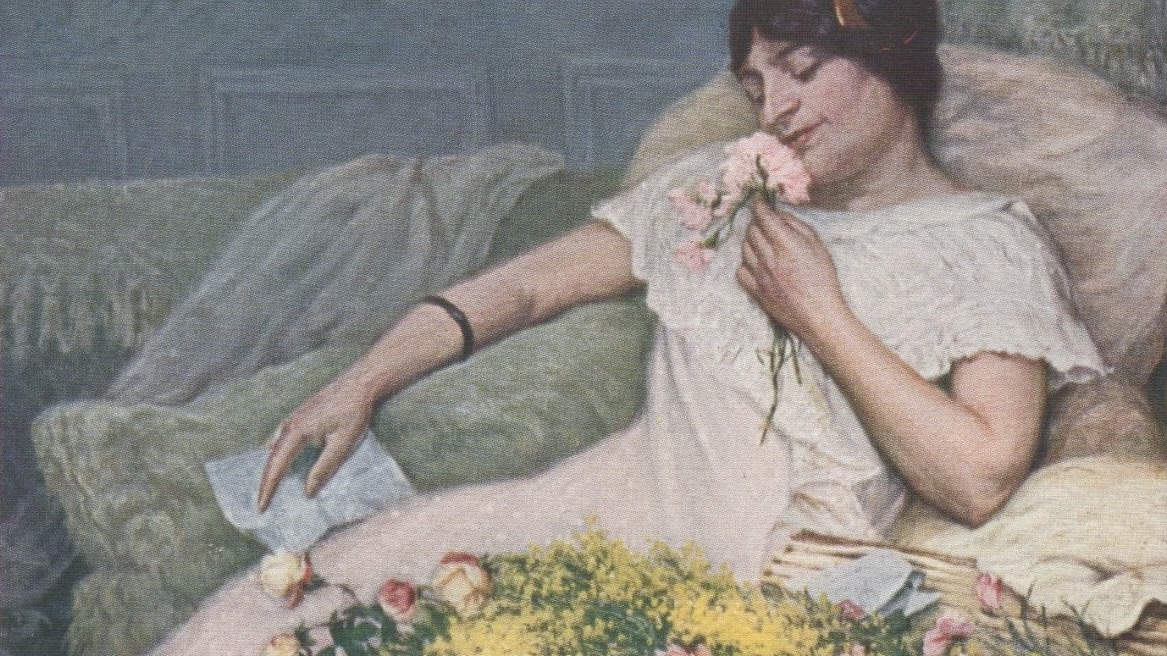
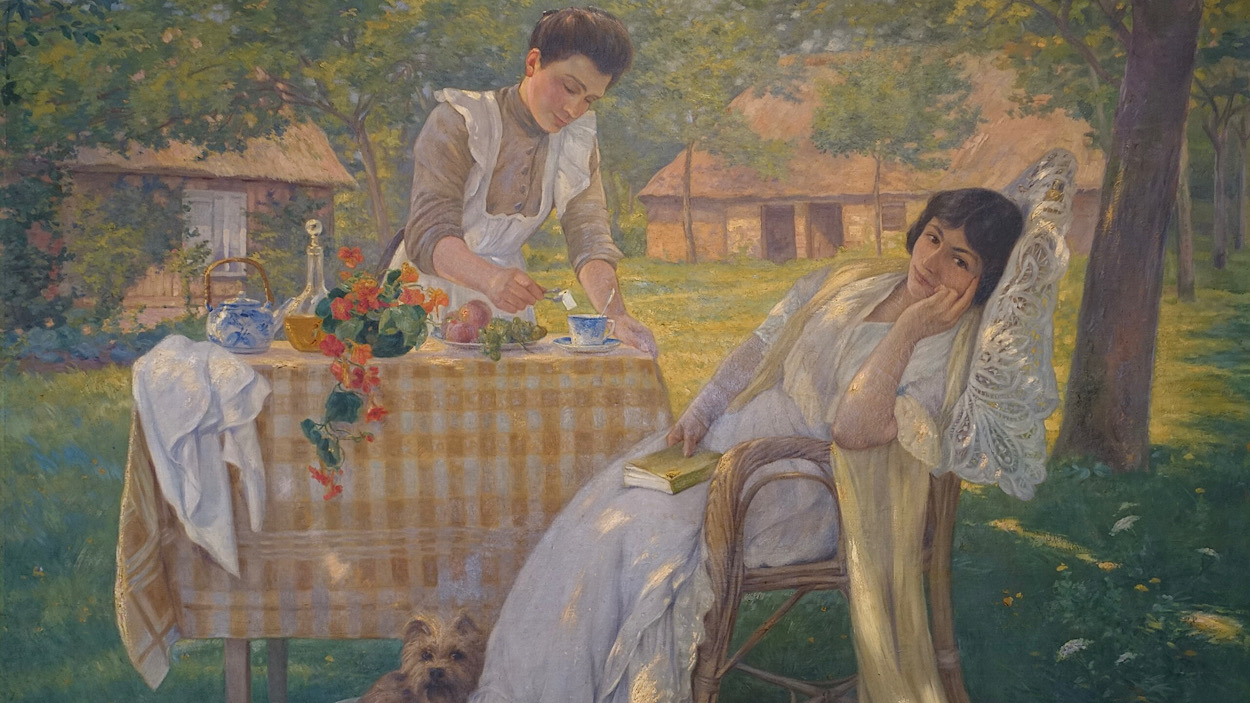
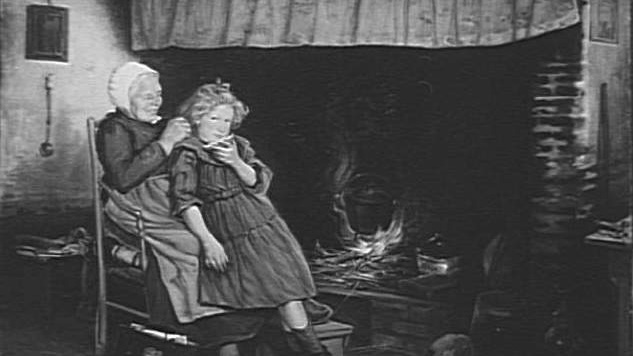
Her painting belongs to a sensitive naturalism with impressionist affinities, attentive to light, landscape and everyday life. She was not a radical avant-garde figure, yet this does not lessen the importance of her path. On the contrary, her work helps us understand the possible — and often overlooked — trajectories of women artists in a deeply male system.
Júlia also exhibited with the Union des Femmes Peintres et Sculpteurs, a pioneering association defending women’s artistic work. In practice, she affirmed a position that today can be read as emancipatory.
Her Parisian life balanced integration and self-assertion: belonging to a demanding milieu without giving up autonomy. Júlia Labourdonnay was neither only “the Viscountess” nor only “the painter”; she was a woman who created her own space in a world that rarely granted one.
Why Júlia Labourdonnay matters in Sistelo today
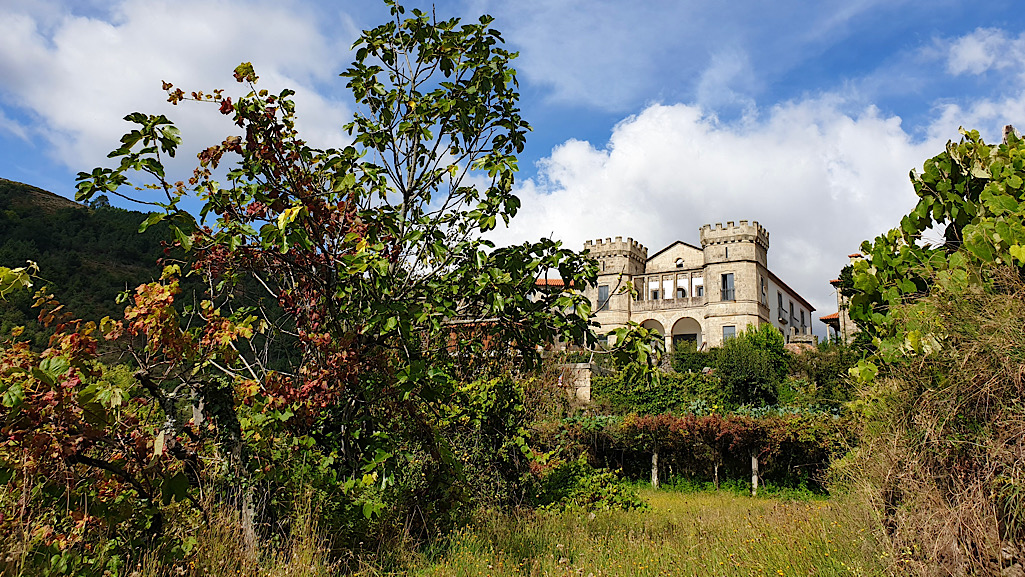
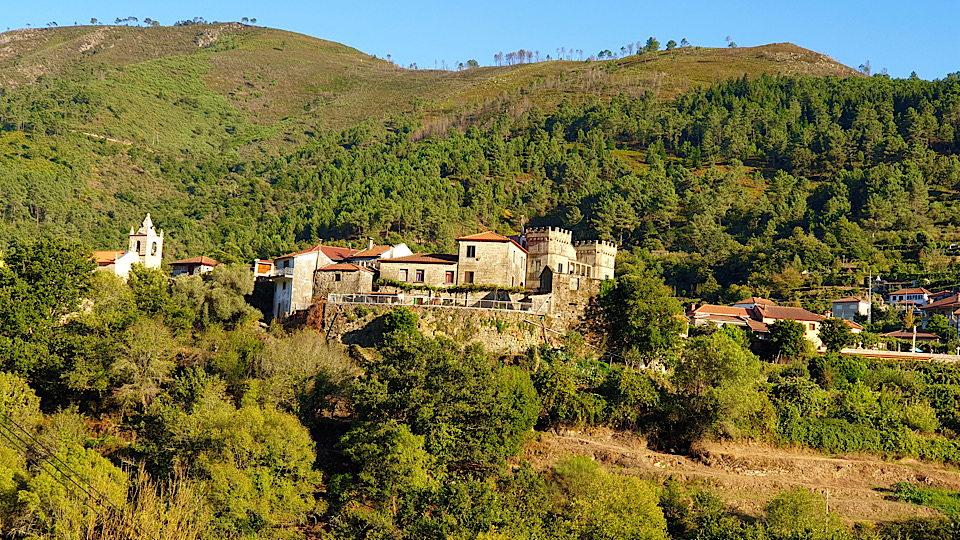
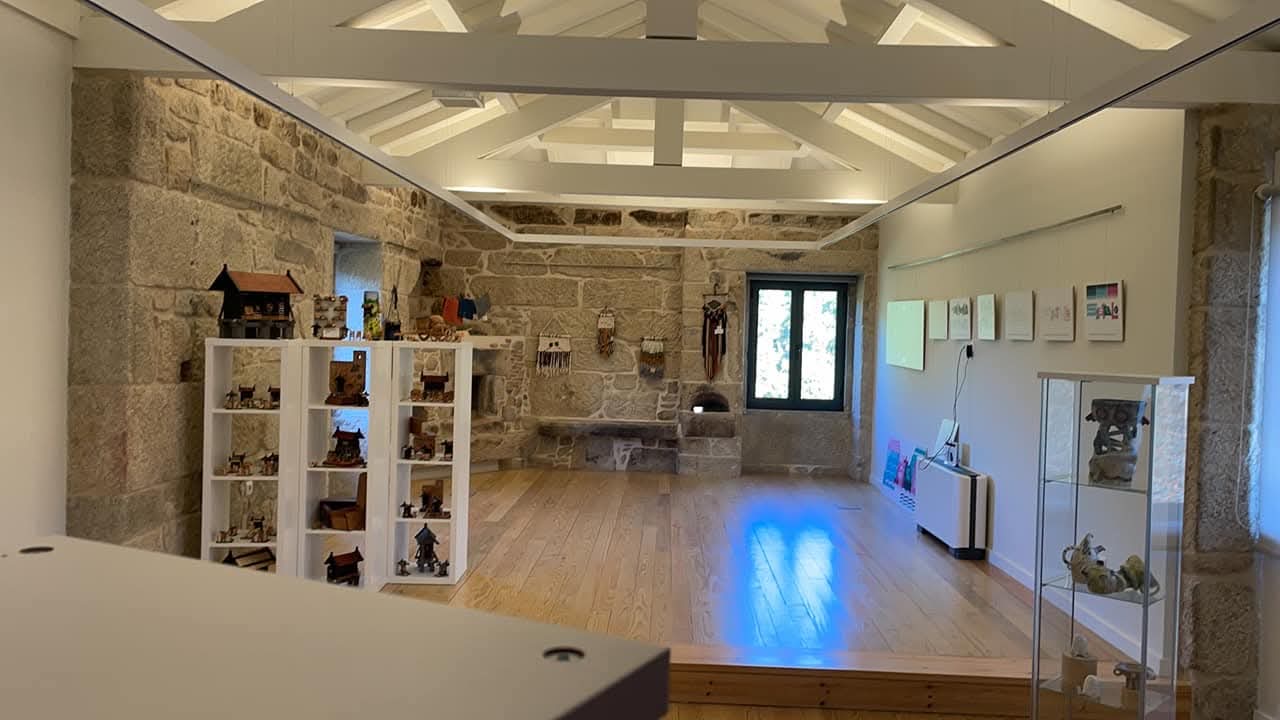
Why does Júlia matter today? And why does Sistelo dedicate her an exhibition room at the Casa do Castelo / Landscape Interpretation Centre?
Part of the answer lies in revisiting narratives. Recovering figures like Júlia is an act of historical justice and a contemporary gesture.
Her life touches key issues of our time: cultural mobility, female emancipation, access to education, and the circulation between local and global worlds.
She offers material for reflection without easy idealisation.
Cultural landscape, not merely visual
For Sistelo, this connection is more than symbolic. It enriches the reading of the territory, showing that the landscape is not only natural, but also cultural and human.
Integrating Júlia Labourdonnay into the local narrative adds layers of meaning beyond visual contemplation. Art, history and landscape enter into dialogue.
By valuing her, Sistelo presents itself not only as a preserved place, but as a thinking place — aware of its memory and able to project it into the future.
A surprisingly contemporary narrative
For Sistelo, this connection is more than symbolic. It enriches the reading of the territory, showing that the landscape is not only natural, but also cultural and human.
Integrating Júlia Labourdonnay into the local narrative adds layers of meaning beyond visual contemplation. Art, history and landscape enter into dialogue.
By valuing her, Sistelo presents itself not only as a preserved place, but as a thinking place — aware of its memory and able to project it into the future.
Júlia Labourdonnay’s story reminds us that even small territories can be connected to complex and inspiring histories. Cultural sustainability also means recognising, caring for and reinterpreting these links.
In a world seeking new balances between tradition and innovation, it may be precisely in the meeting between a Minho village and a cosmopolitan nineteenth-century woman that we find a surprisingly contemporary narrative.