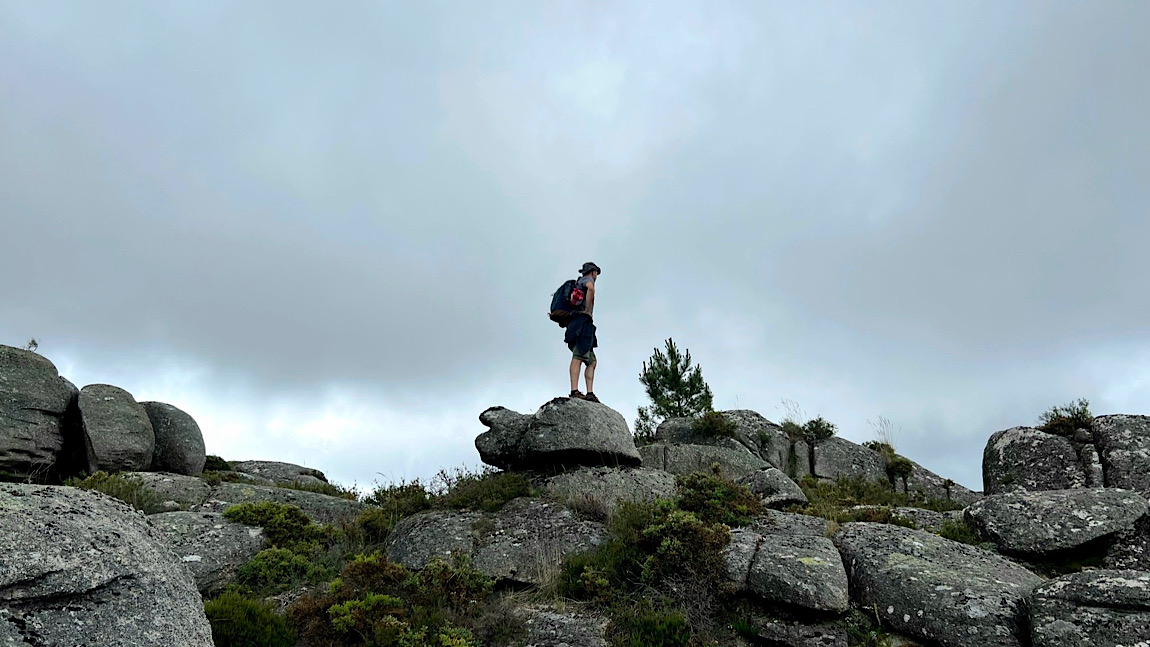
Inhabiting the Rhythm of a Place
Between the mountains and the coast, this territory unfolds as a continuity of landscapes, where the Guadiana River traces a silent axis of connection. More than a body of water, it is also a line of boundary (not only geographical, but cultural) bringing the banks closer while keeping them distinct.
Its presence organises the space, crossing it without interruption, creating subtle relationships between shores, rhythms of life and layers of time — the past quietly echoing into the present. Here, proximity to the sea does not define the territory. It is rather the invisible pulse of Mediterranean culture, shaped by light, climate, and a long succession of human presence that gives it coherence.
The territory does not assert itself immediately. It reveals itself slowly, as if each path opened a different reading of the same place. It asks for attention. And a willingness not to understand everything at once.
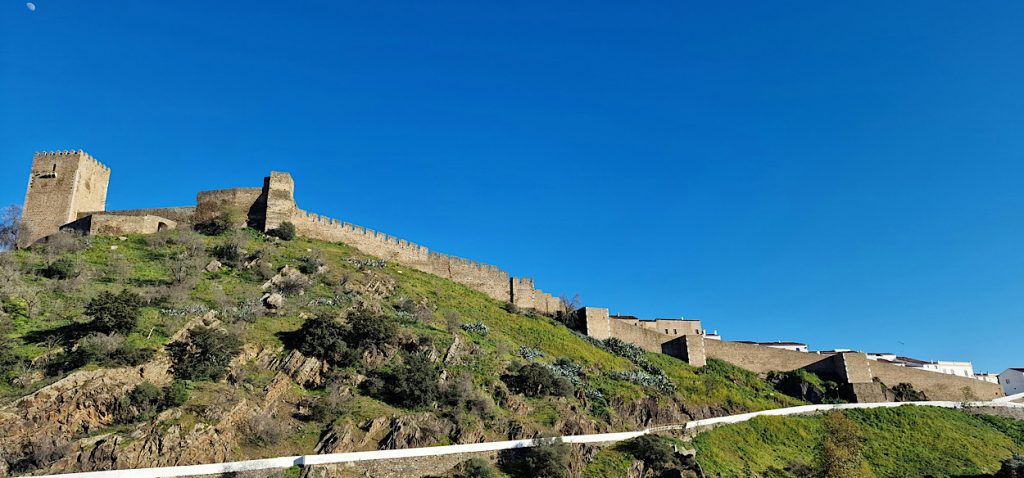
Photo by Anthony R. in the Unsplash
Between Interior and Openness
Mértola, often described as a museum-village and the last navigable stretch of the river, marks an inward starting point, where relief, light and silence define a contained and introspective experience.
As one moves along the Guadiana, the territory gradually transforms. Alcoutim introduces a direct relationship with the riverbank and with proximity (the distance between Portugal and Spain becomes almost tangible).
Tavira, closer to the coast, expands this openness while maintaining a clear connection to traditional forms of settlement. Vila Real de Santo António signals the concrete presence of the sea, not as a rupture, but as a continuation.
The journey between these places is not only geographical. It is cultural. A transition of densities, rhythms and ways of inhabiting the territory.
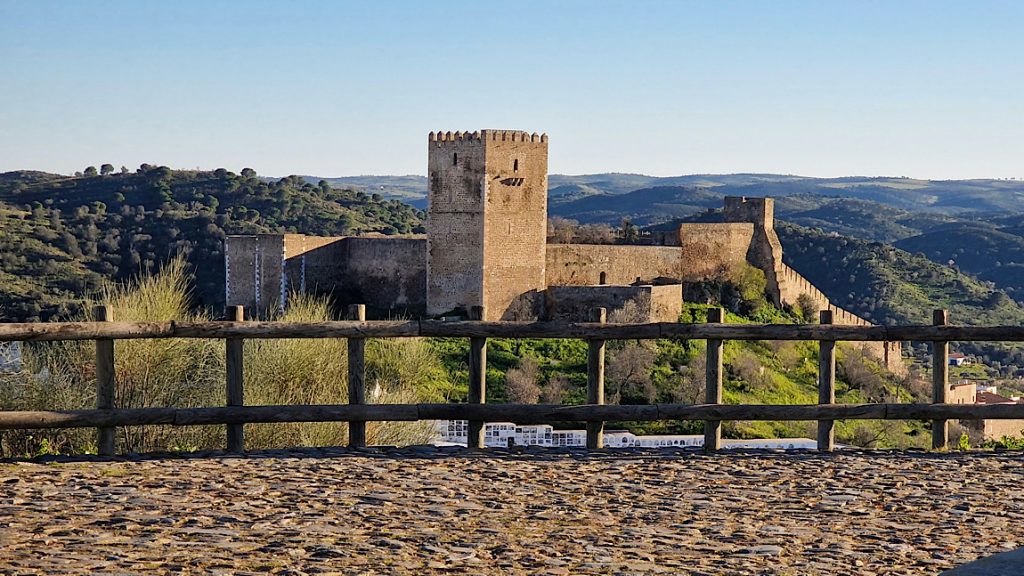
Photo by Anthony R. in the Unsplash
Layers of Time and Culture
Phoenicians, Carthaginians, Romans, Islamic cultures… This territory stands as a meeting point of civilizations, whose richness is evident to those attentive to the long duration of human experience.
The Islamic presence left deep traces — not only in architecture or historical remains, but in the very way the territory has been shaped and lived over time. In the organisation of space, in the relationship with shade and water, in the articulation between interior and exterior. This heritage does not impose itself, it endures.
Settlement patterns, agricultural systems and the scale of construction reflect a continuity that spans different historical periods. The past does not appear as an isolated layer. It is embedded. And here, history is not only observed: it is felt.
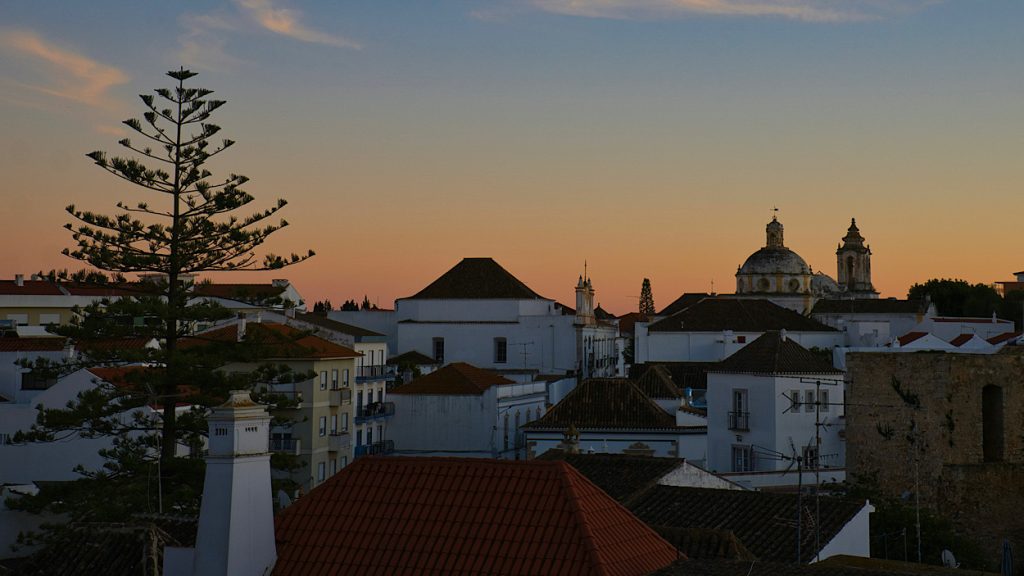
Photo by Richard James in the Unsplash
Light, Matter and Everyday Life
Light defines much of the experience of this territory. It falls directly, creating sharp contrasts and revealing the texture of surfaces, volumes and open spaces.
At the end of the day, stones slowly release the heat they have accumulated, extending the presence of the sun beyond its absence. Material follows this light: dry tones, pale surfaces, vegetation adapted to Mediterranean conditions.
Daily life remains closely tied to these conditions. Practices, rhythms and gestures reflect a long adaptation to the territory, where the essential prevails over the incidental. Nothing seems to accelerate. And that changes how time is perceived
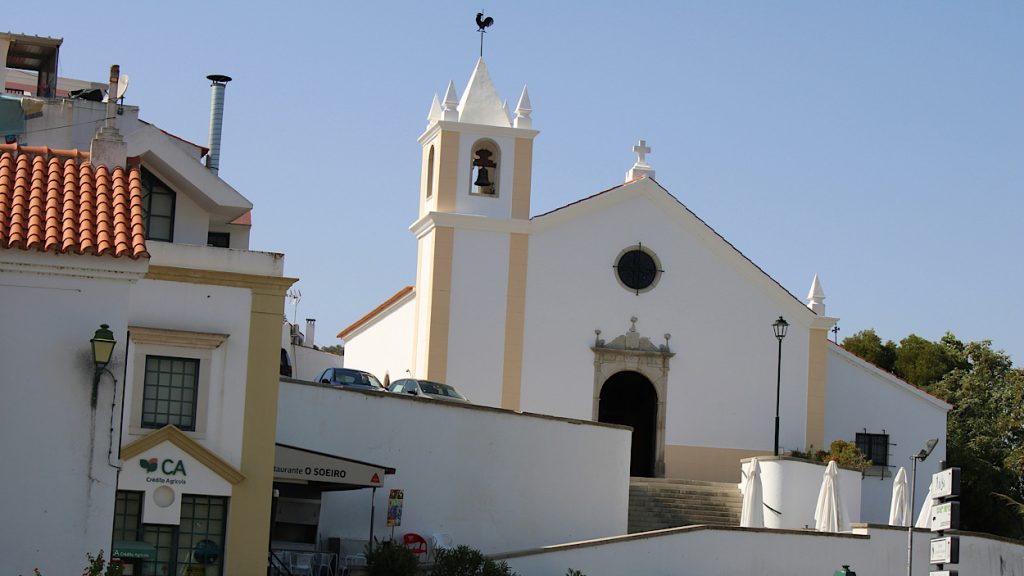
Photo by Anthony R. in the Unsplash
A Territory That Remains
Over time, the territory ceases to be merely observed. It begins to enter us, until it absorbs and dissolves us into its own cadence.
Certain places become familiar, certain paths begin to form part of a wider inner experience. And perhaps it is in this process (more than at any point of arrival) that the Guadiana reveals what it is.
Not a path to follow. Nor a line that directs. Perhaps not even an axis. But a presence that accompanies, discreet, continuous, almost invisible. And which, without asserting itself, ultimately defines the identity of this place.