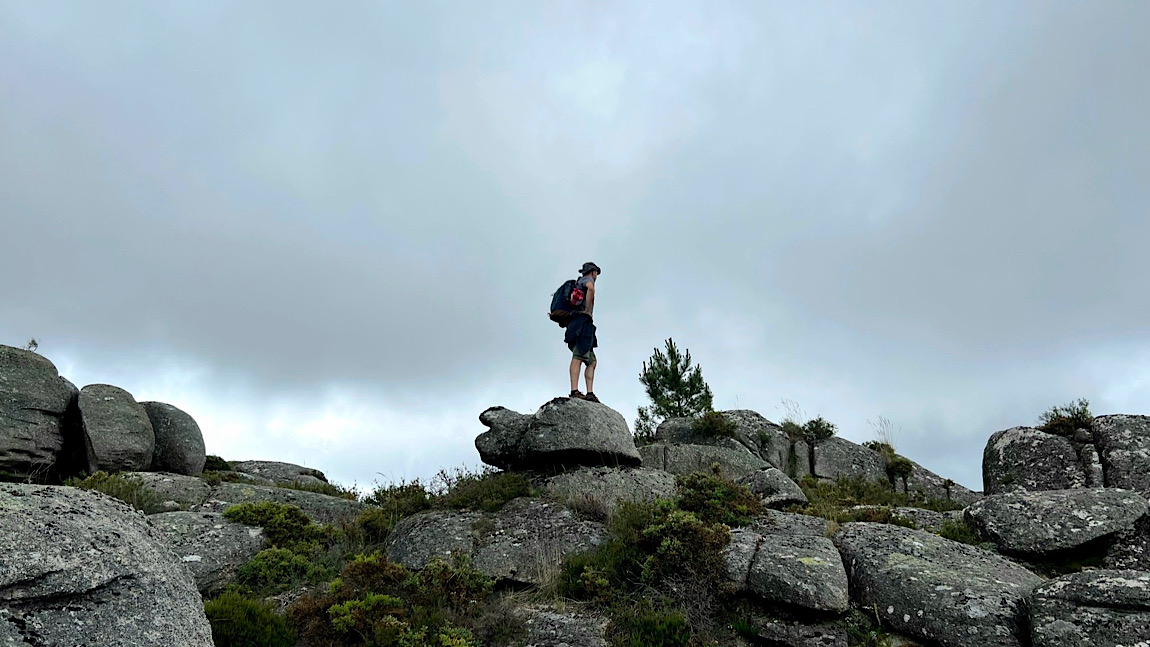
Between origins and geographies
At the beginning of the 20th century, when Paris established itself as the leading artistic centre in Europe, a painter born in Rio de Janeiro — daughter of a Portuguese father from Sistelo and a French mother — entered, discreetly yet consistently, the circles where artistic taste and legitimacy were defined.
Known in Paris Júlia Labourdonnay de Sistelo (or Cistello de Cistello), her trajectory unfolds between territories, cultures and references, revealing an identity both rooted and open
Paris and artistic recognition
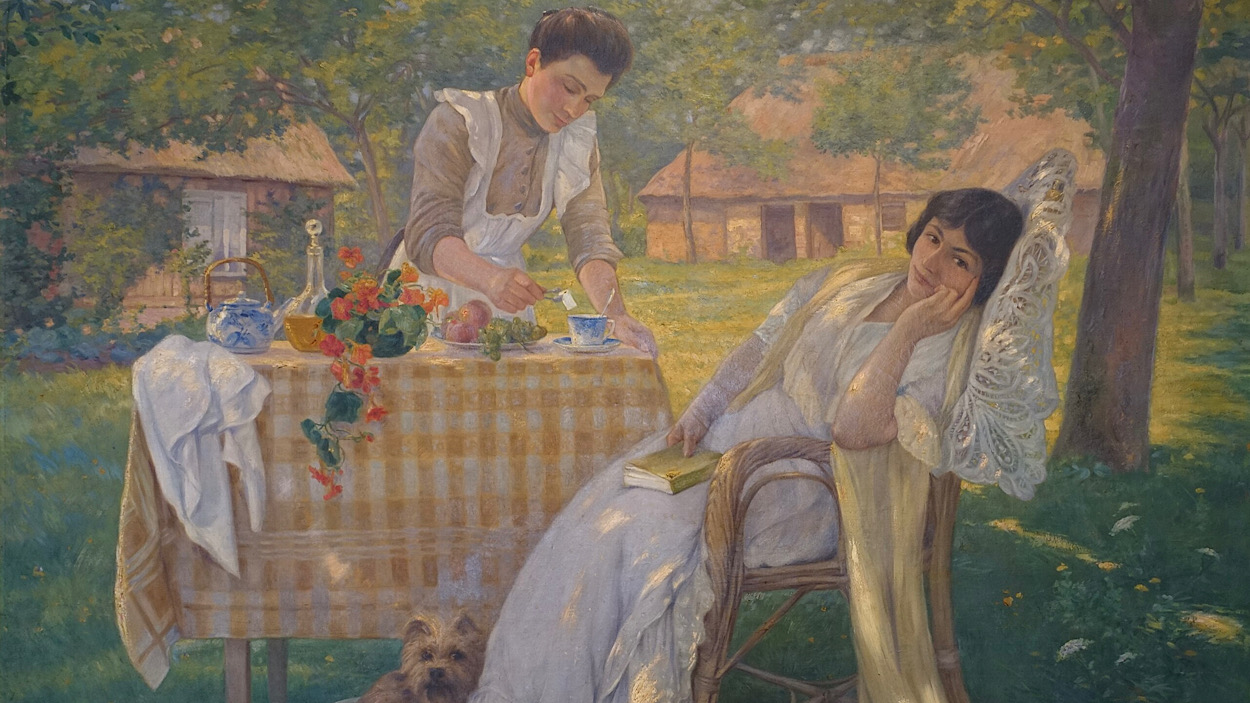
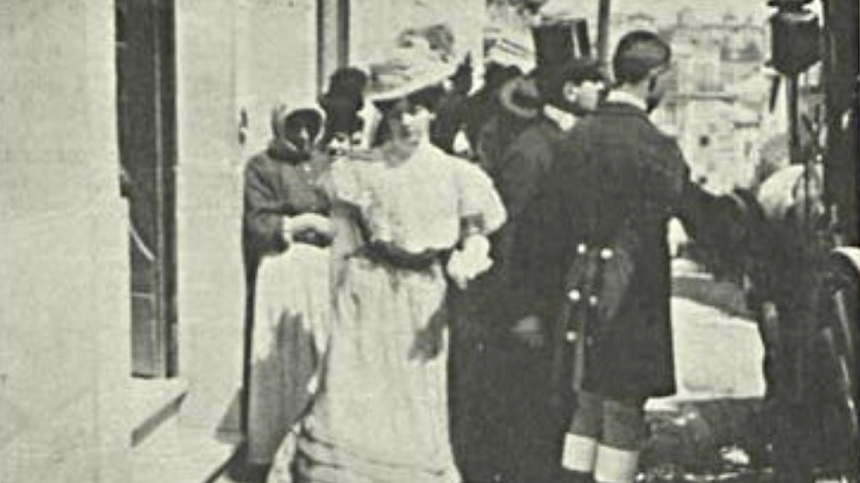
She developed her artistic practice in Paris, where she studied and exhibited regularly in major Salons such as National Society of Fine Arts.
At a time when women’s access to the art world remained limited, her presence in these spaces reflects a genuine integration into a demanding and highly structured system.
A painting of presence
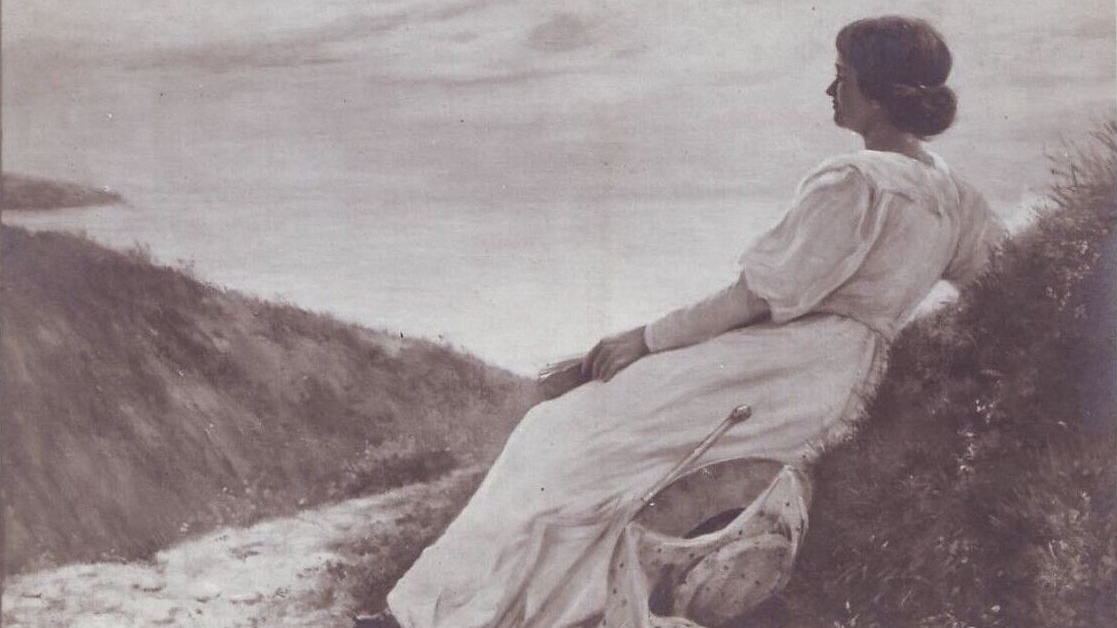
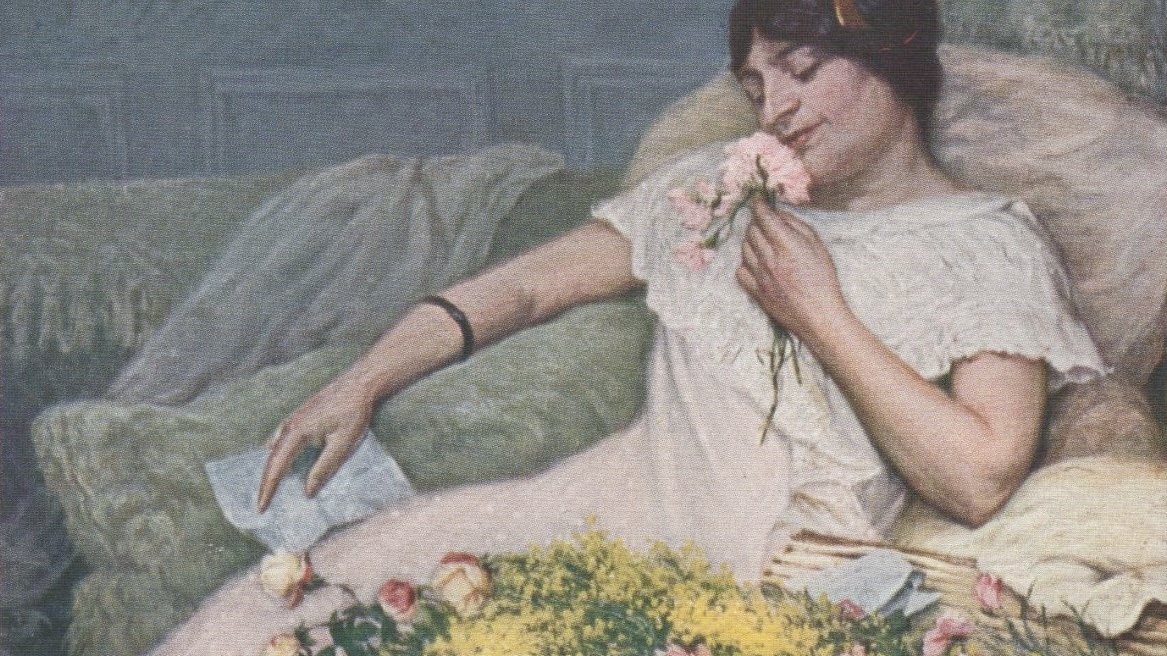
Her work is rooted in a naturalist language grounded in direct observation. Landscapes, outdoor scenes and figures of everyday life — harvesters, riverbanks, suspended moments of ordinary existence — form a body of work attentive to light, atmosphere and the rhythm of gesture.
More than representation, her painting suggests a form of presence: looking attentively, capturing subtle variations, fixing what might otherwise go unnoticed.
Between convention and openness
At the same time, her practice reveals a particular positioning within the artistic context of her time. Trained within an academic framework that enabled access to the Salons, her work also shows affinities with the transformations introduced by Impressionism, particularly in its attention to light and its emphasis on painting outdoors.
This balance between convention and openness was especially significant for women artists, whose recognition often depended on their ability to navigate established codes while developing a personal language.
An intermediate position
Rather than a central figure in art history, Júlia Labourdonnay occupies an intermediate position — and it is precisely there that her relevance lies.
Her trajectory highlights a broader group of artists who actively participated in institutional circuits without necessarily entering the dominant narratives that later shaped the canon.
A contemporary reading
Viewed from today, her figure gains new depth. Not only as a painter with an international trajectory, but as a point of connection between distinct territories: between Sistelo and Paris, between lived landscape and represented landscape, between rural reality and a European cultural context.
In this sense, her legacy extends beyond the strictly artistic dimension. It invites us to think of territory differently — not merely as physical space or agricultural memory, but as a sensitive material to be observed, interpreted and, in a way, reimagined.
Beyond biography
Perhaps this is where her presence feels most contemporary. Not simply as a figure to be recovered through biography, but as a way of reading. That even the most remote places may hold, quietly, a profound relationship with the world.
Image credit: The images used in this article were taken from the Wikipedia page dedicated to Júlia Labourdonnay.