Between accelerated time and lived time
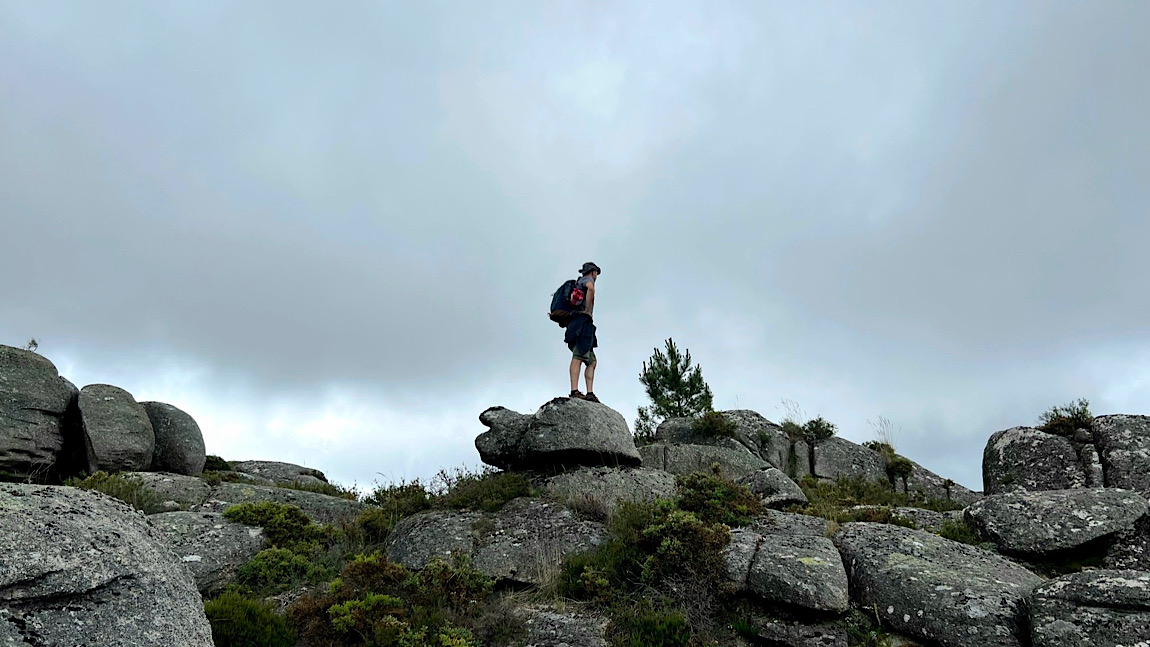
At the heart of the concept of Slow Tourism lies a conscious slowing of time and pace, in a world increasingly driven by speed and acceleration. This slowness, however, is far from synonymous with boredom or inertia. On the contrary, it presents itself as an alternative to mass tourism — often monotonous, superficial and only falsely exciting.
Slow Tourism proposes a different way of travelling: less focused on the rapid consumption of experiences and more on the depth of encounters with places, people and local rhythms.
A legacy of the Slow movement
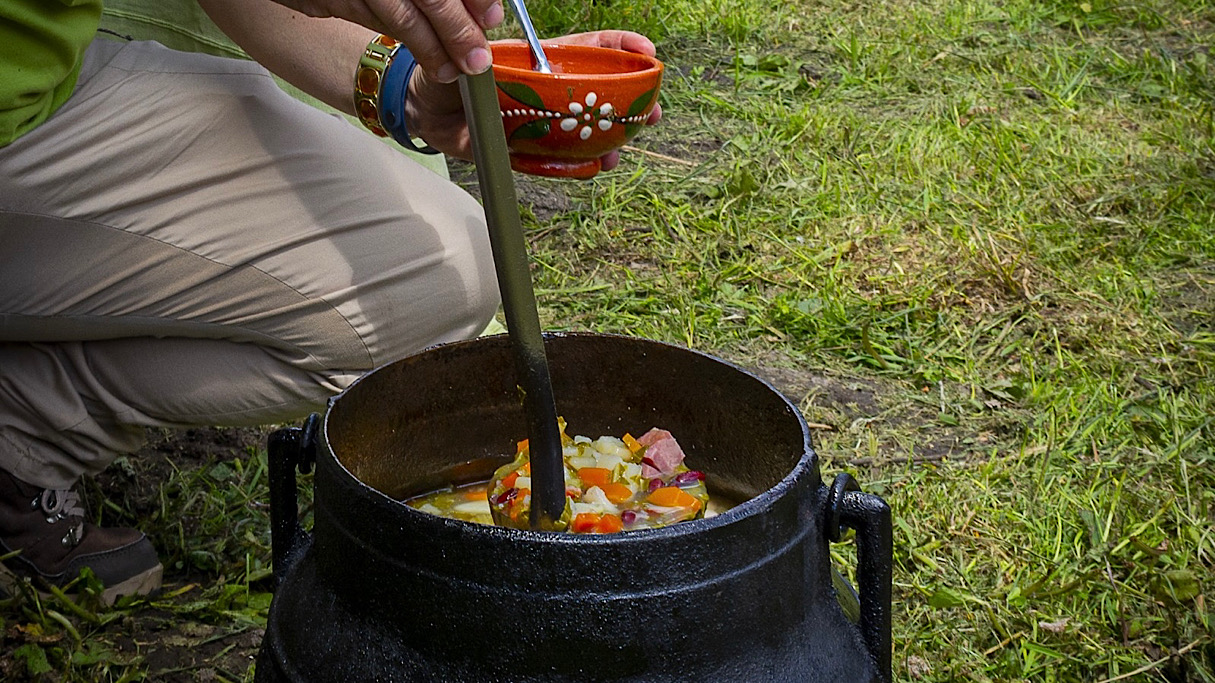
This concept is clearly indebted to the Slow Food movement, born in Italy in the 1980s as a reaction to cultural and gastronomic homogenisation. Like Slow Food, Slow Tourism recognises time as an essential element of experience: time to stay, observe, listen, taste and understand.
It is an invitation to longer stays, to contemplation, to genuine curiosity about geographies, landscapes, heritage, products and ways of life. It rejects travel understood as mere entertainment — travel that exhausts itself and leaves little behind other than a fleeting sense of consumption, much like the false satiety produced by poor, mass-manufactured food.
Slow Tourism and sustainability
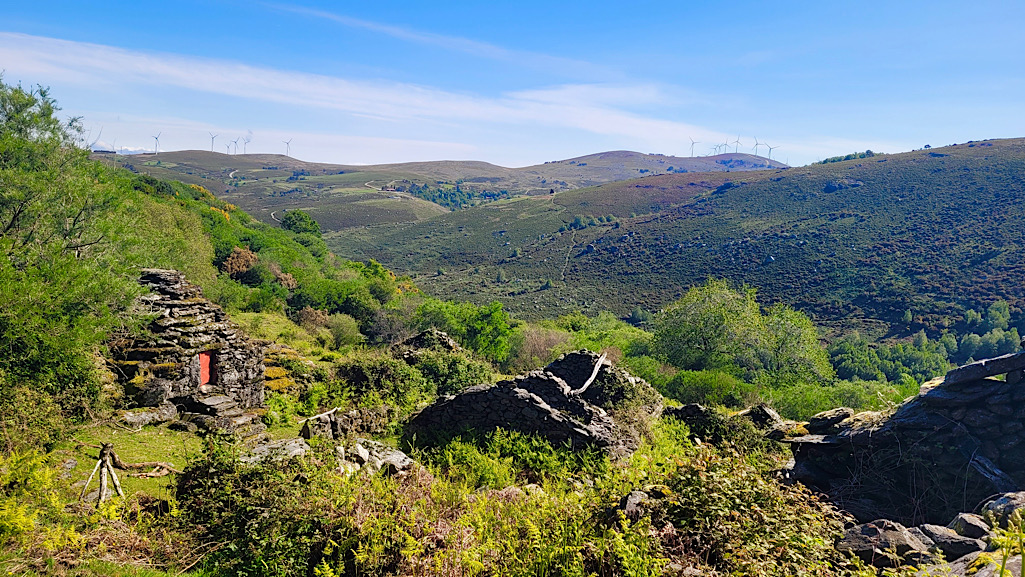
To speak of Slow Tourism is inevitably to speak of sustainability — not only environmental, but also cultural, social and economic. It is about preserving the world’s diversity and richness:
-
ways of life often deemed outdated, yet deeply adapted to their territories;
-
natural and agricultural landscapes shaped over centuries;
-
local products threatened with extinction for no justifiable reason;
-
knowledge and cultural expressions that resist the harmful uniformity narrowing our horizons and perceptions.
In this sense, travelling is more than looking: it is seeing beyond the immediate, feeling the land, allowing the rhythm of the place to guide the experience.
Alto Minho as a Slow Tourism territory
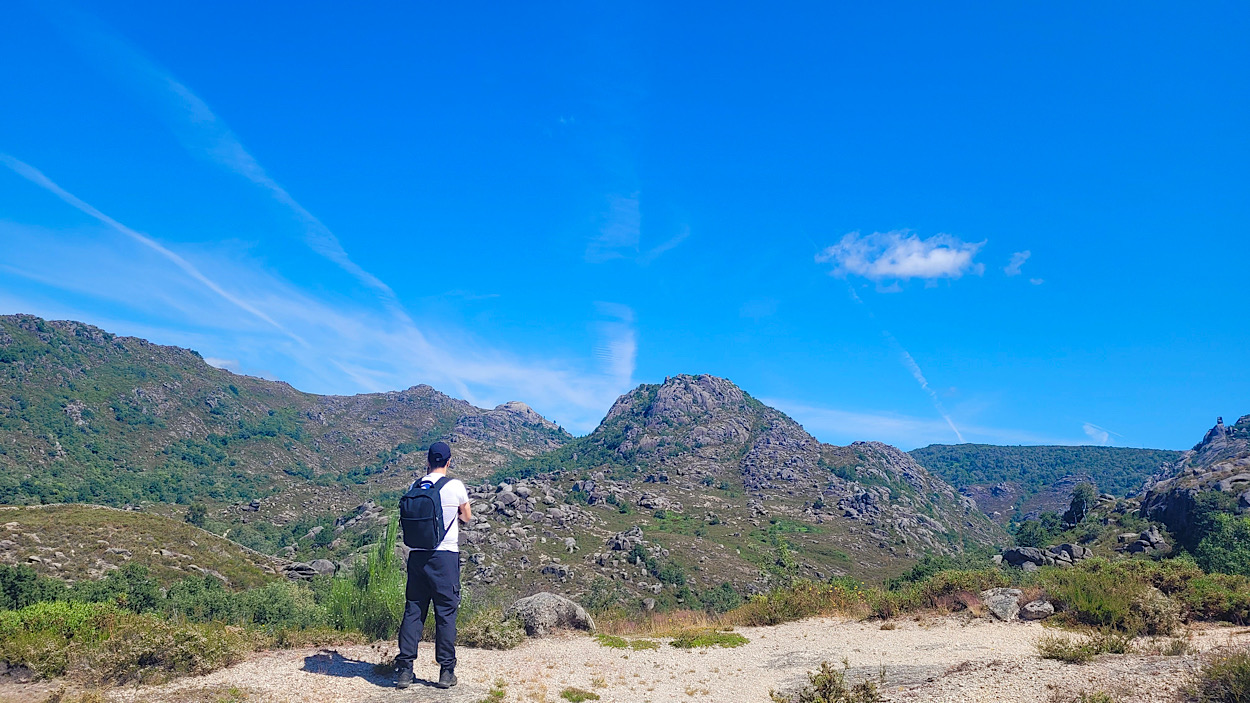
It is within this framework that Alto Minho emerges as a territory particularly aligned with the principles of Slow Tourism — not through artificial narrative construction, but by virtue of its intrinsic characteristics
Here one finds:
-
a diverse and exuberant natural environment inviting sensory immersion;
-
villages and low-density settlements where daily life has not been entirely overtaken by haste;
-
a rich historical and architectural heritage integrated into everyday life;
-
None of these elements is exceptional in absolute terms — other regions share similar richness — but it is their
None of this is presented as exceptional in absolute terms — other territories also possess wealth and authenticity — but it is precisely the combination, human scale and living presence that make Alto Minho particularly suited to a Slow Tourism experience.
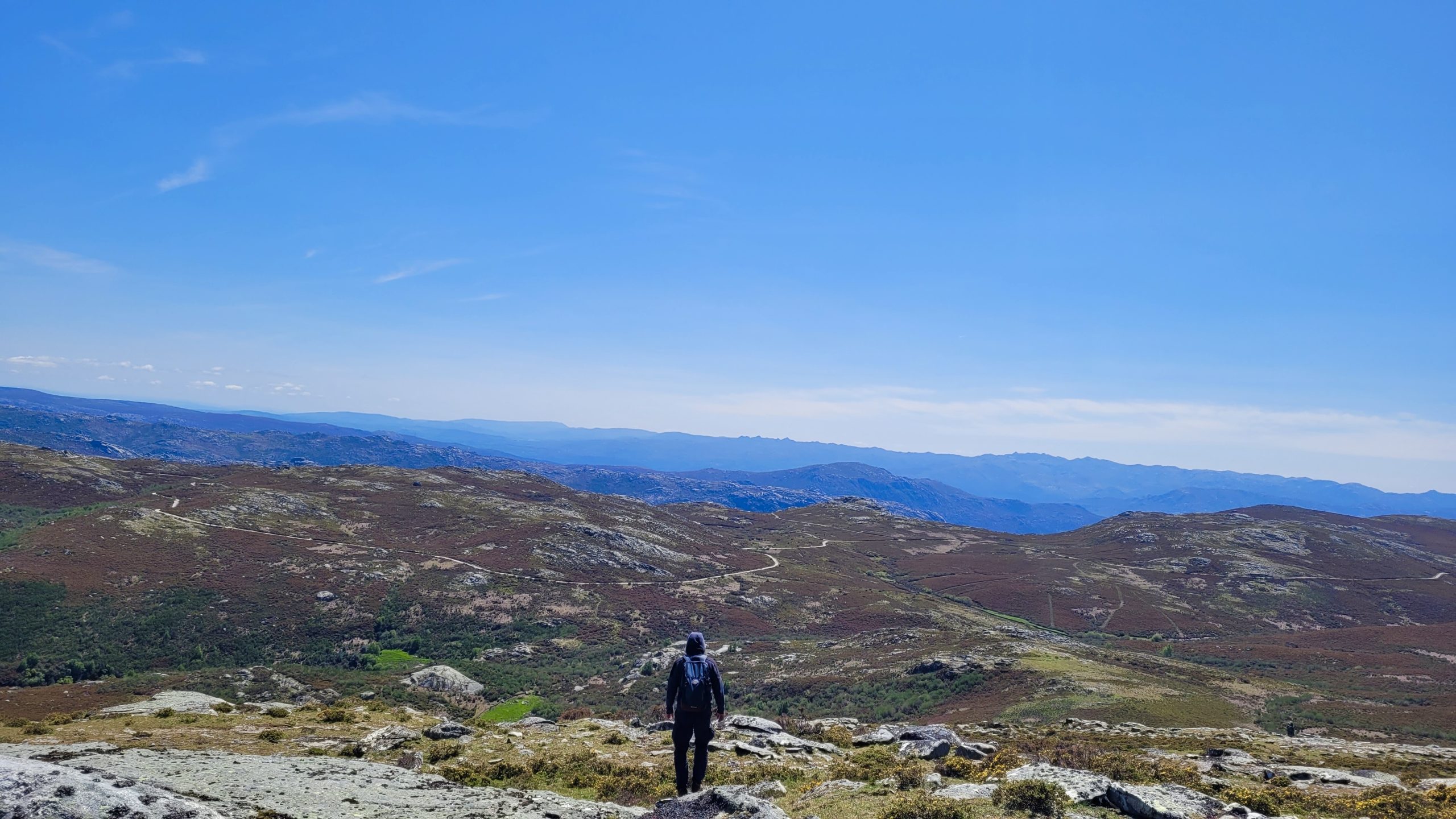
To discover, live and return
Alto Minho is not a place to be consumed quickly. It is a place to be discovered, lived and felt. To arrive, to stay, to leave — and to want to return. It is a territory that rewards those willing to slow down, exchange accumulation for depth, and rediscover in travel a fuller and more enduring meaning