Porto, Douro, Viana do Castelo, Valença, Monção and Melgaço
Porto and the Douro Valley are a natural starting point for discovering Northern Portugal. But the journey can continue beyond its best-known destinations, heading towards the Atlantic and then inland, into the Minho Valley.
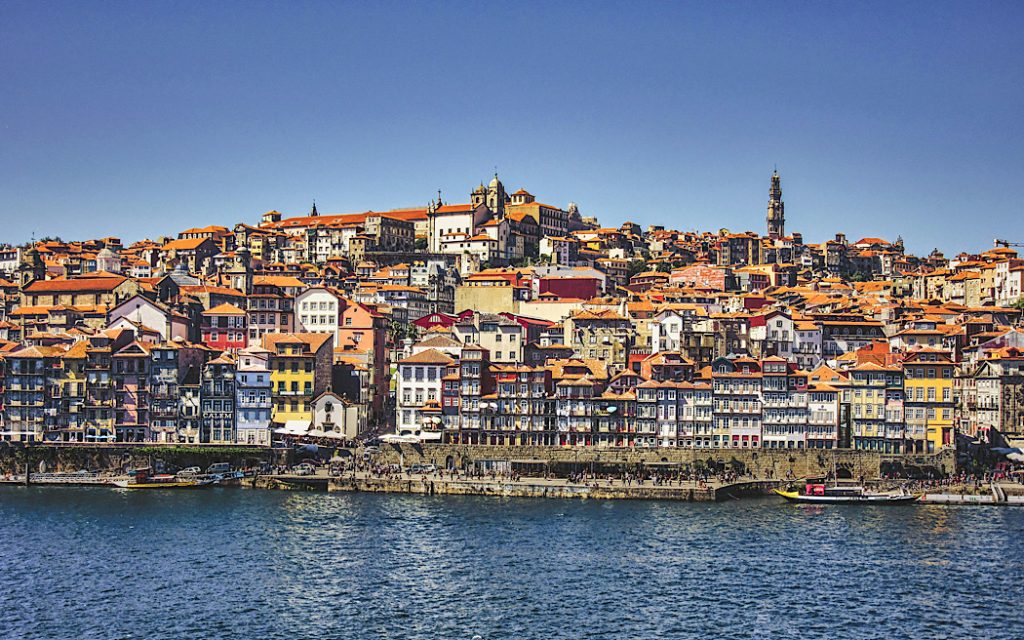
Foto de K. Mitch Hodge na Unsplash
Along the way, different cities and their distinctive identities unfold, together with landscapes shaped by the proximity of the ocean and rivers, places steeped in history, and territories where the border is also a meeting point. A journey that invites travellers to discover Northern Portugal through its connections, contrasts and continuities.
Viana do Castelo — A city between the river and the Atlantic
The first stop could be Viana do Castelo, a small and harmonious Atlantic city, where the proximity of the sea and the River Lima meets a historic centre of remarkable architectural character.
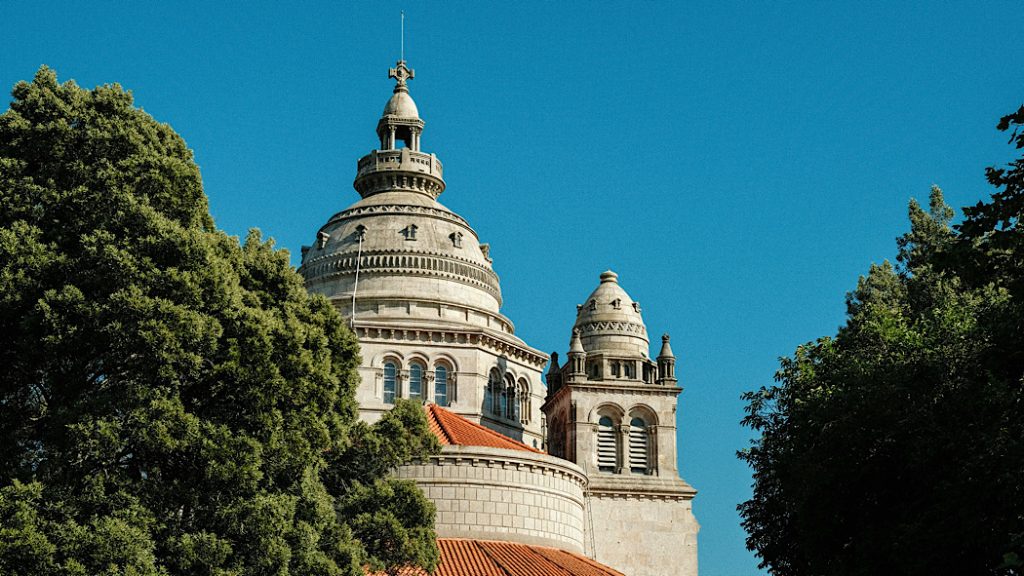
Foto de K. Mitch Hodge na Unsplash
A walk through its streets and squares reveals a city with a distinctive identity. But it is from the top of Mount Santa Luzia that one of its most striking views unfolds.
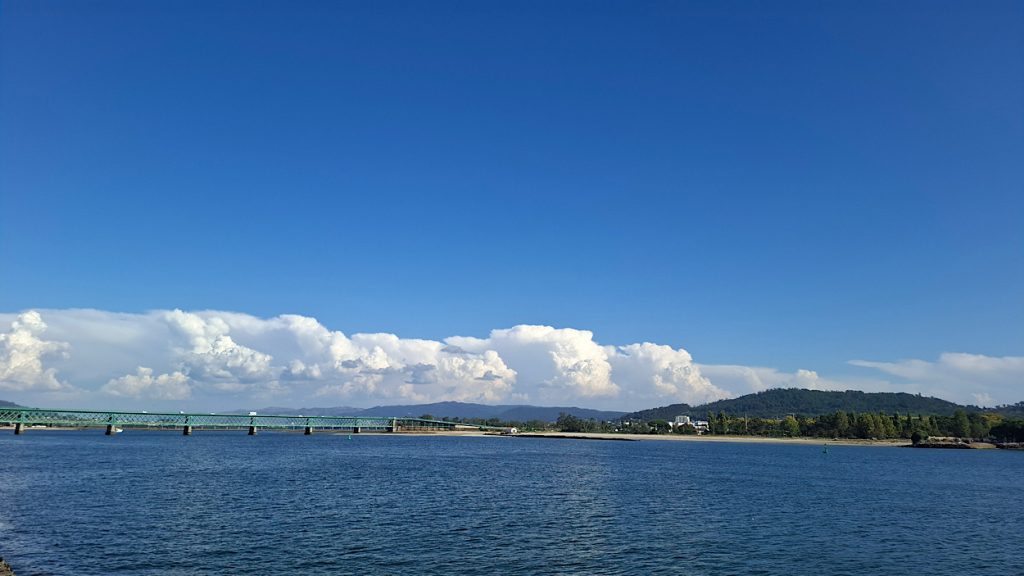
From here, the panorama takes in the city, the mouth of the Lima and the Atlantic coastline. It is also home to the magnificent Sanctuary of the Sacred Heart of Jesus, one of the region’s best-known landmarks.
Nearby, the Citânia de Santa Luzia offers a glimpse into a much more distant past. This fortified settlement, dating back to the Iron Age, bears witness to the communities that inhabited the north-western Iberian Peninsula before the Roman presence and the subsequent transformation of the territory.
Valença and Tui — A border that brings people together
Continuing north, the journey leads to Valença do Minho, where a stop to discover the old town, protected by its imposing fortifications, is well worthwhile.
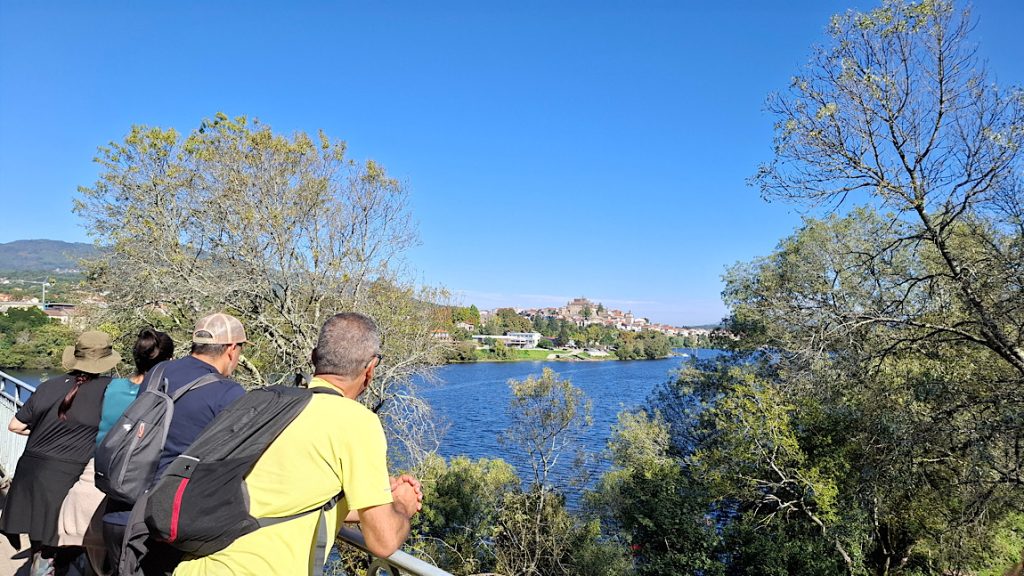
Walking through the historic centre, looking out over the River Minho and taking in the Galician city of Tui on the opposite bank is to discover a border that, over the centuries, has also been a place of contact and continuity. The imposing medieval cathedral rises above the Spanish city, dominating the landscape on the opposite side of the river.
It is well worth making your way down towards the river, crossing the international bridge on foot and wandering through the old streets of Tui. Its historic centre invites a leisurely exploration, among squares, historic buildings and streets where the distinctive rhythm of a border town can still be felt.
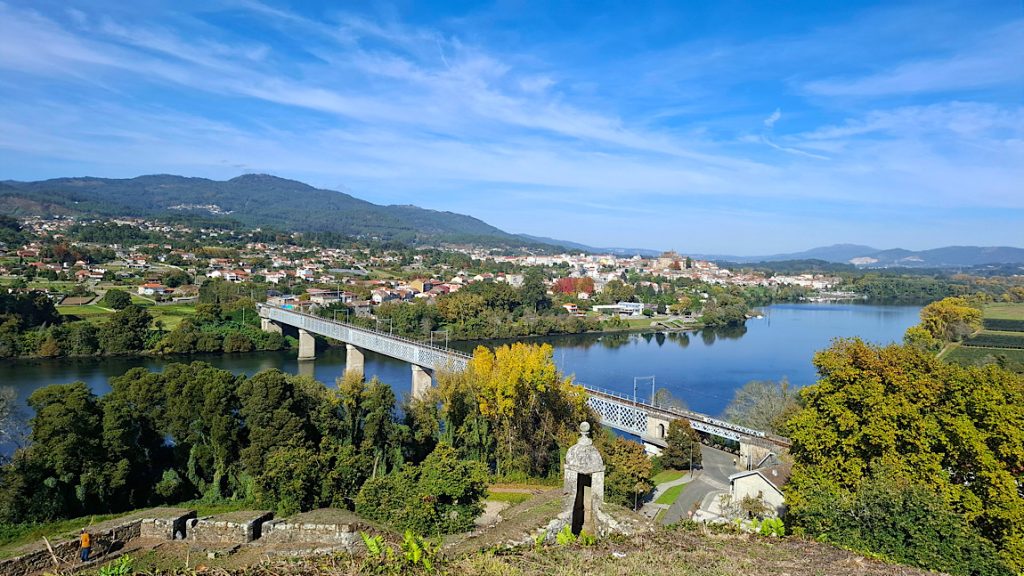
Along the way, you are likely to encounter pilgrims making their way to Santiago de Compostela. The presence of the Camino adds another dimension to this passage between Portugal and Galicia, reminding us that the Minho has long been a territory of movement and encounter
Monção and Melgaço — The territory of Alvarinho
From Valença, the journey continues towards Monção and Melgaço, a territory deeply shaped by vineyard culture and the identity of Alvarinho wine.
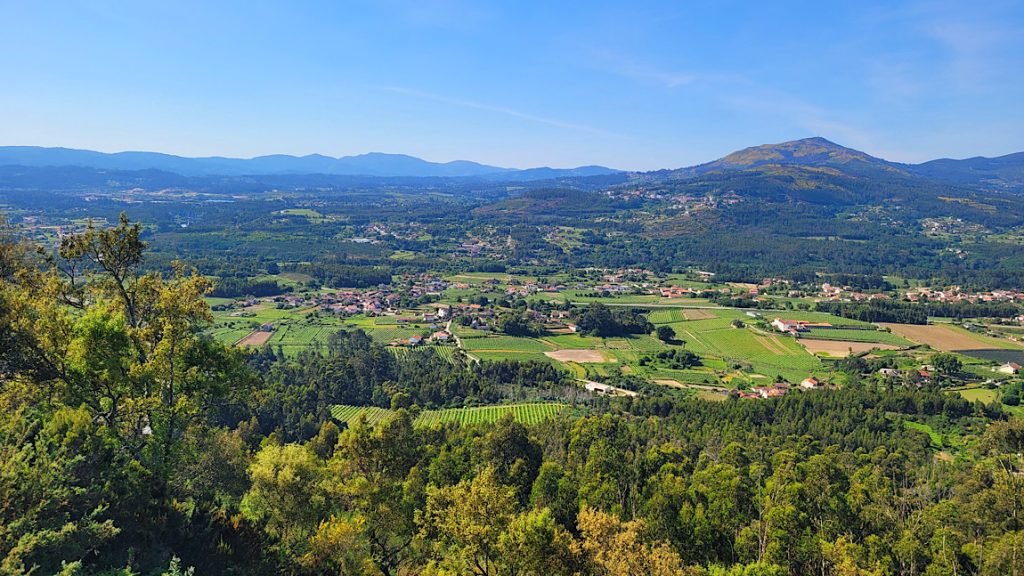
Here, the landscape takes on a different character. Vineyards follow the valleys, cover the hillsides and surround small settlements, revealing an enduring relationship between agriculture, local communities and the distinctive characteristics of this border region.
This is a place worth staying in and taking time to discover. Accommodation options include The Vinea Collection Hotel, in Monção, and Hotel do Pezo, in Melgaço.
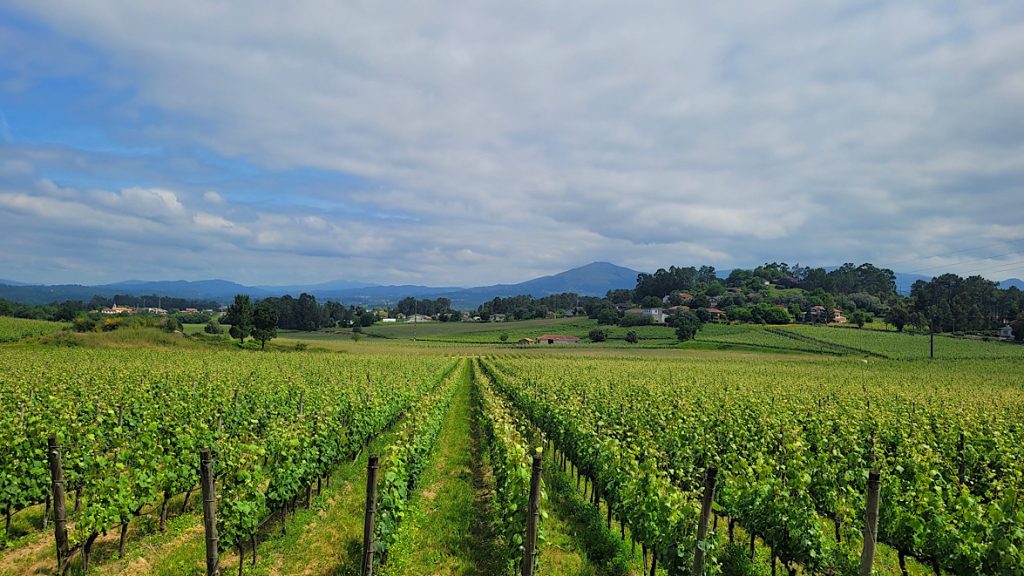
For those who prefer to stay closer to the vineyards, there are other possibilities, such as Casa das Infusões, at Quinta de Soalheiro, or the accommodation at Quinta da Torre, by Anselmo Mendes, where the experience unfolds among the vines.
These are just a few examples. The region offers other accommodation options, with different settings and ways of connecting with the surrounding territory.
Discovering the territory with We Want Green
Monção and Melgaço are also a region worth discovering beyond wine tasting. Alvarinho culture is closely connected to the landscape, natural conditions, agricultural work, local knowledge and the relationships that have developed between communities and vineyards.
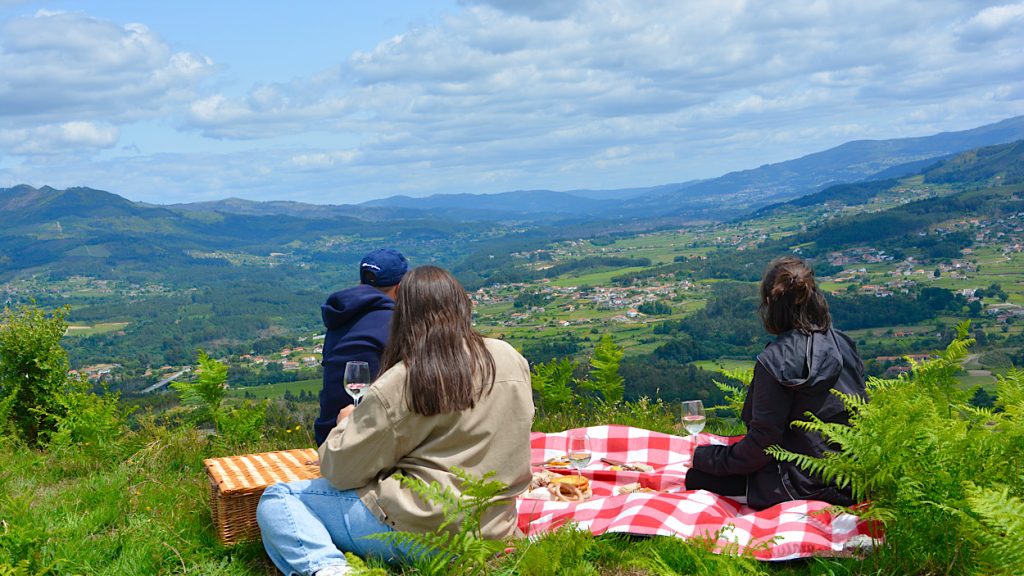
We Want Green offers two distinct experiences to explore this heritage in greater depth:
Alvarinho — A Borderland Identity
An exploration of Alvarinho culture through its territorial identity, looking at the relationship between wine, landscape, history and the borderland character of Monção and Melgaço.
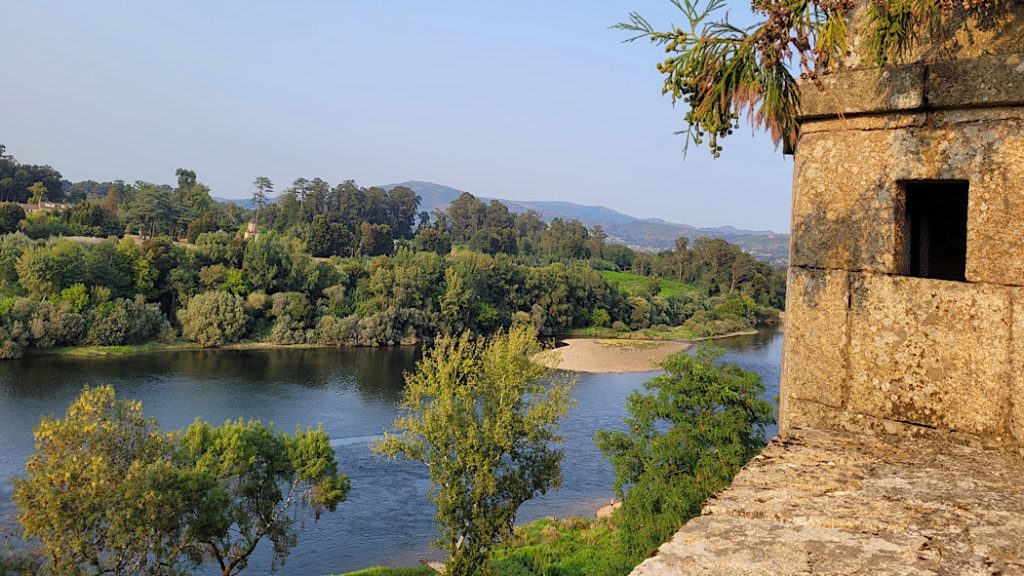
Monção and Melgaço — Where the Vineyard Becomes Territory
An experience centred on the vineyard landscape and the communities that have shaped it, exploring how vineyards contribute to the organisation and identity of this territory.
Both experiences are designed as full-day activities, but can be adapted into shorter experiences, depending on the time available and each visitor’s interests.
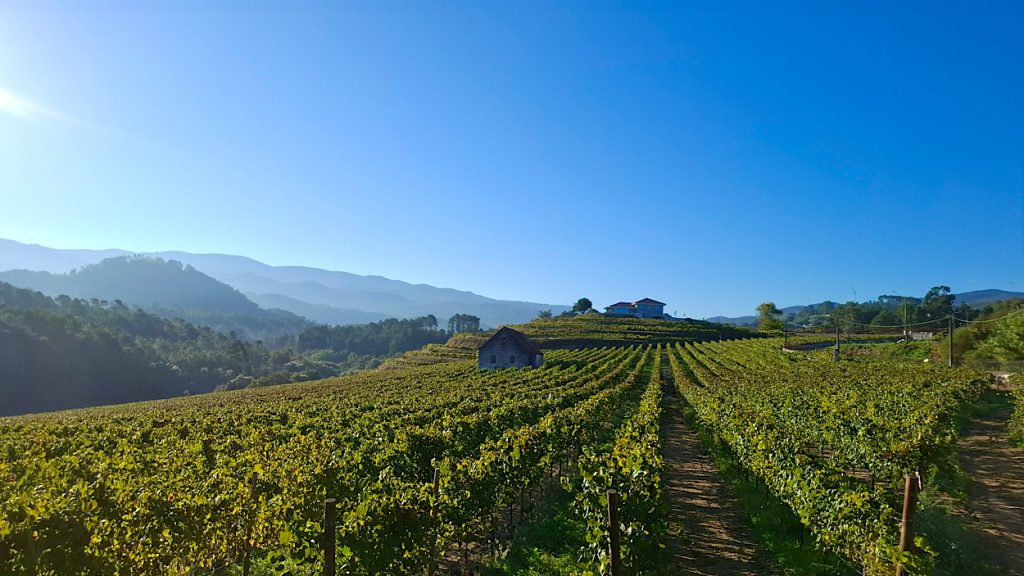
A Northern Portugal shaped by encounters and continuities
From Porto and the Douro to Viana do Castelo, from Valença to Tui, and finally to Monção and Melgaço, this journey reveals a diverse Northern Portugal, where the Atlantic, rivers, historic towns and vineyard culture come together in distinctive ways.
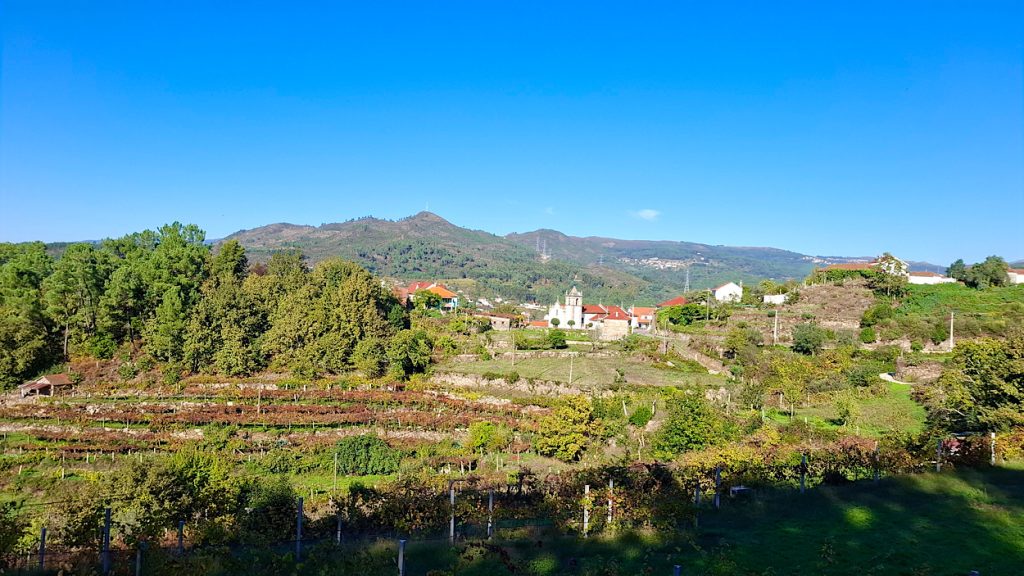
It is also a journey through territories that cannot be understood solely through their monuments or best-known places. They are discovered through their landscapes, stories, community relationships and the marks left on the land by different periods of history.
Because there is a Northern Portugal that is not simply meant to be travelled through. It is a region that deserves time to be discovered and understood.